
“Man has lost the capacity to foresee and to forestall.
He will end by destroying the earth.”
Albert Schweitzer
“La Soñadora” (The Dreamer) by Enya (courtesy of IntoTheLight911):
Yo; el otoño I; the autumn
Yo; el vespero I; the evening star
He sido un eco I have been an echo
Seré una ola I shall be a wave
Seré la luna I shall be the moon
He sido todo, soy yo I have been everything, I am myself
Yo; el verano I; the summer
Yo; el ébano I; the ebony
Soy la soñadora I am the dreamer
“In nature nothing exists alone.”
Rachel Carson
Courtesy of Eredus:
In this post, I am writing about Rachel Carson, whose prophetic warning in her famous book “Silent Spring” steered our attention into the path of the oncoming truth. This book was highly influential in highlighting the American government’s abuse of new chemical insecticides like DDT which was sprayed over farmland fields without any regard for the welfare of humans or other creatures. The highly toxic material was derived from lethal compounds developed originally for use in war. In her book, Rachel Carson wrote:
“For many years public-spirited citizens throughout the country have been working for the conservation of natural resources, realising their vital importance to the Nation. Apparently, their hard-won progress is to be wiped out, as a politically-minded Administration returns us to the dark ages of unrestrained exploitation and destruction.”
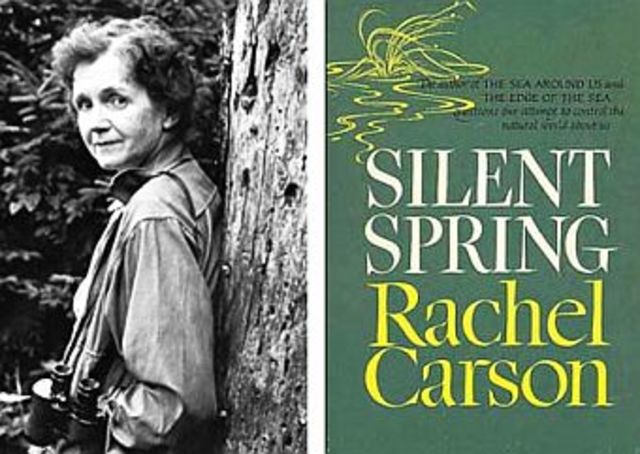
She was a messenger of modern environmentalism, and through her facts-finding that rocked the world, she became a towering figure whose light illuminated our sense of the world forever. The power of her words showed us how interconnected are our actions with all life on Earth. Rachel Carson was a woman of substance and courage, and generations were directed by her moral compass. We envy her spirit and we can only resolve to continue her work, needed even more now than ever.
Courtesy of TED-Ed:
RACHEL CARSON
27 May 1907 – 14 April 1964
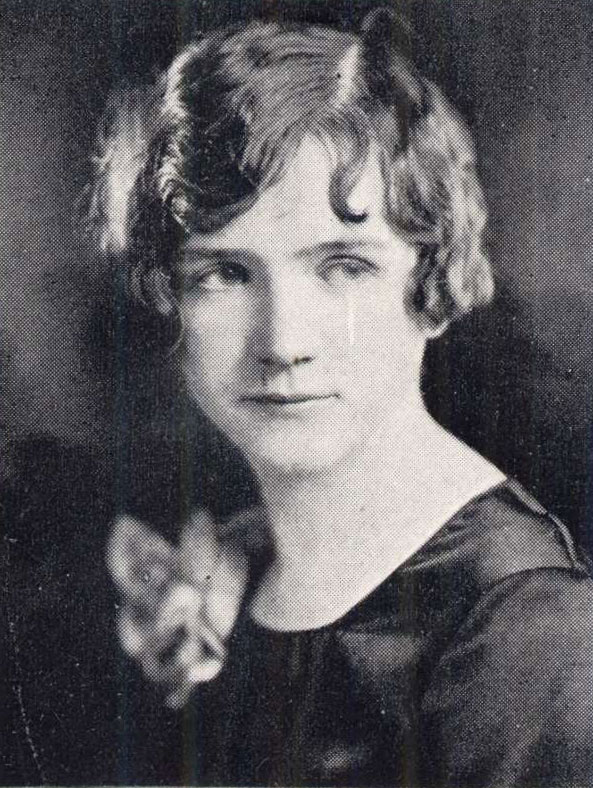
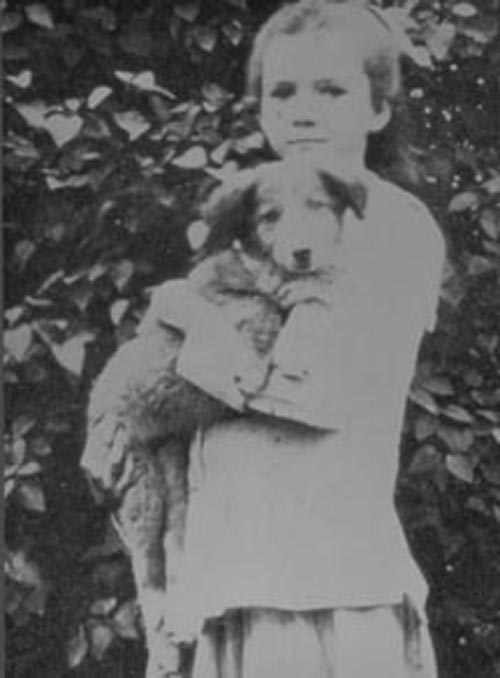
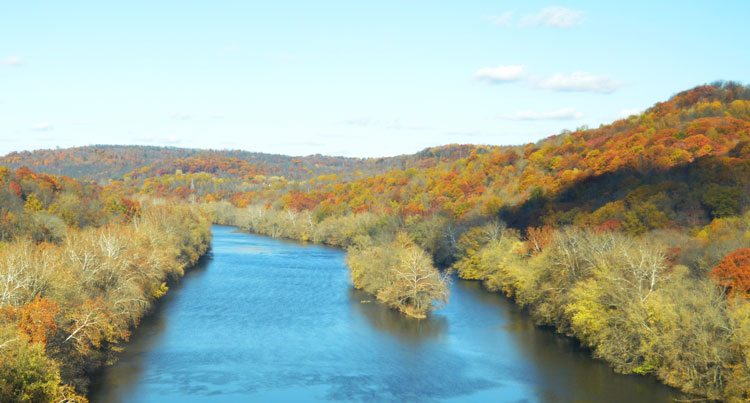
Rachel Carson was born in the Allegheny Valley at Springdale, the youngest of three children. She grew up on a Pennsylvanian farm, where she learned about nature and wildlife. From a very young age, she knew that she was born to write. When she was ten-years-old, her first work was published in the St Nicholas literary magazine for children. A reader and loner, she was a devotee of birds and all nature. She continued writing during her studies at Pennsylvania College for Women where she was studying English. The biology course reawakened her ‘sense of wonder’ which she had always brought to the natural world, and she switched to zoology.
Courtesy of Pittsburgh Magazine:
Allegheny River, Springdale in Pennsylvania
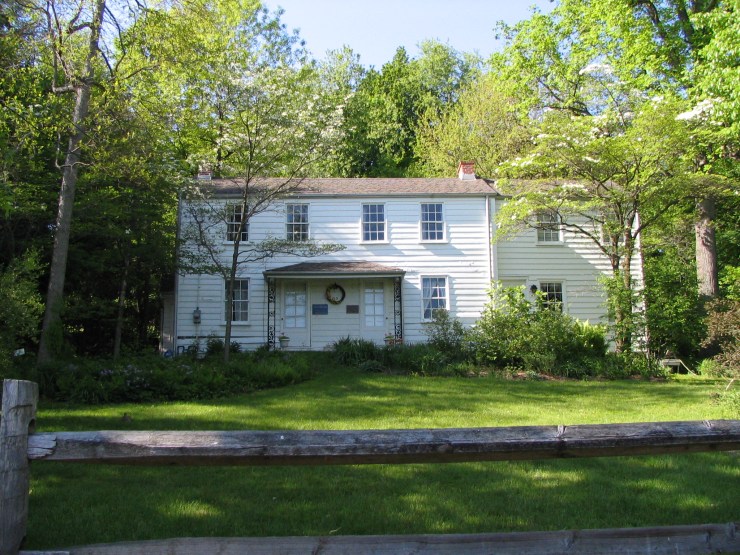
The family homestead in Springdale
Courtesy of CBS Sunday Morning:
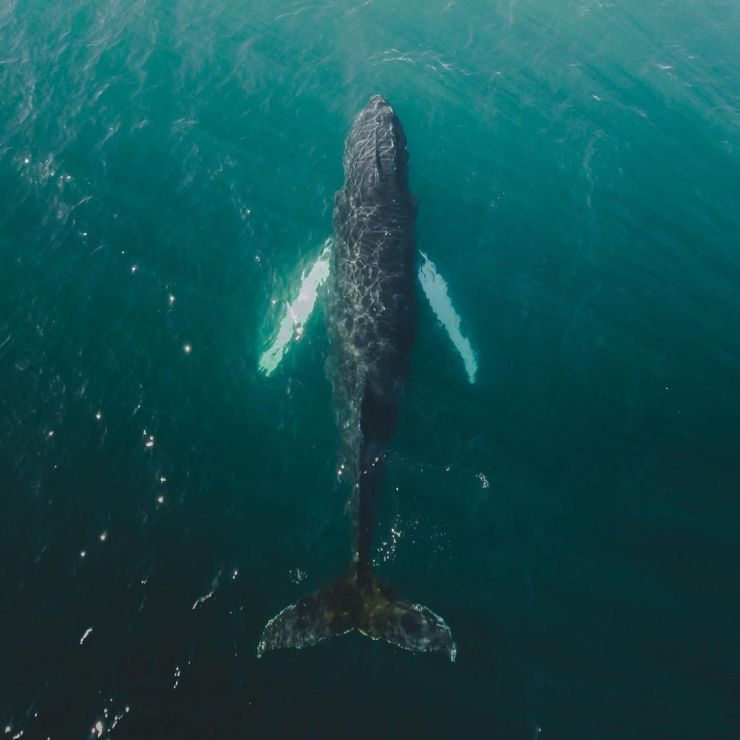
Graduating magna cum laude in 1928, Carson went on to John Hopkins University to complete her Master’s degree in zoology. It is at this time that she first saw the sea and fell under the spell of its eternal mysteries. Her strong lyrical prose caught the attention of the editors at the Atlantic Monthly. She was invited to write her first work ‘Undersea’ for them. Its feeling was near-mystical – the ever-changing changelessness of life on Earth. She explained that it was the sea that fascinated her, ‘for the sense of the sea, holding power of life and death over every one of its creatures from the smallest to the largest, would inevitably pervade every page.’
This is an extract that I feel compelled by its haunting beauty to quote:
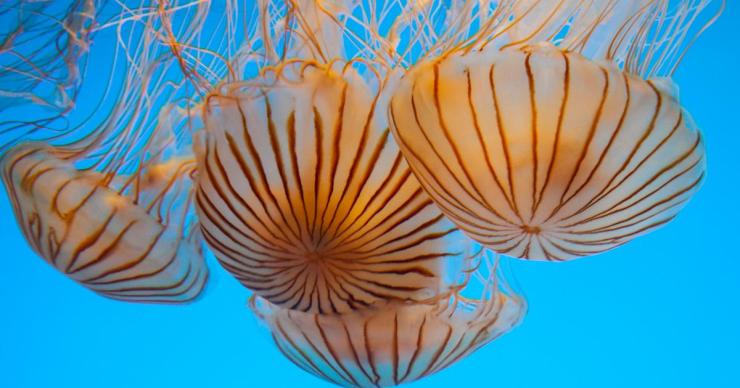
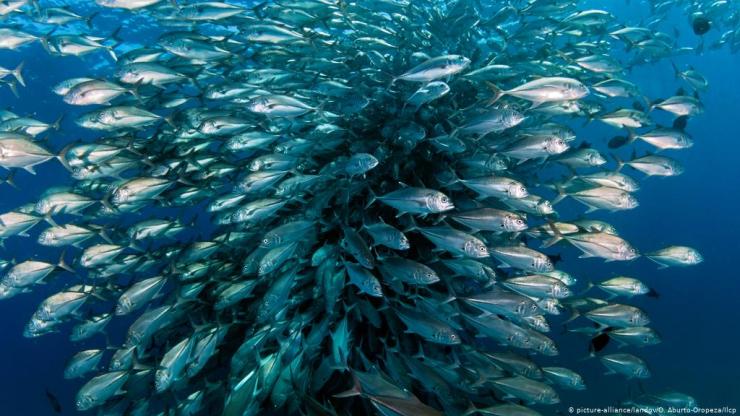
“To stand at the edge of the sea, to sense the ebb and flow of the tides, to feel the breath of a mist moving over a great salt marsh, to watch the flight of shorebirds that have swept up and down the surf lines of the continents for untold thousands of years, to see the running of the old eels and the young shad to the sea, is to have knowledge of things that are as nearly eternal as any earthly life can be. These things were before man ever stood on the shore of the ocean and looked out upon it with wonder; they continue year in, year out, throughout the centuries and ages, while man’s kingdoms rise and fall…. Thus… the parts of the plan fall into the place: the water receiving from earth and air the simple materials, storing them until the gathering energy of the spring sun wakens the sleeping plants to a burst of dynamic activity, hungry swarms of planktonic animals growing and multiplying upon the abundant plants, and themselves falling prey to the shoals of fish; all, in the end, to be redissolved into their component substances… Individual elements are lost to view, only to reappear again and again in different incarnations in a kind of material immortality…. Against this cosmic background, the life span of a particular plant or animal appears, not as a drama complete in itself, but only as a brief interlude in a panorama of endless change.”
Courtesy of kuma1024:
In 1940 she was working at the Fish and Wildlife Service as an editor specialising in marine zoology. She was liked by all her colleagues for her uncommon competence and dedication but also for her childlike enthusiasm and undiminished wonder at the myriad ways of nature which made a scientific expedition out of the simplest foray into field or tide pool.
“Martha’s Harbour” by All About Eve:
At that time, Carson learned of the government’s plans to distribute through the Department of Agriculture pesticides, even more toxic than DDT, including dieldrin, parathion. heptachlor, malathion, and others, for public use and commercial manufacture. “The more I learned about the use of pesticides, the more appalled I became, I realised that here was the material for a book. What I discovered was that everything that meant most to me as a naturalist was being threatened and that nothing I could do would be more important.”
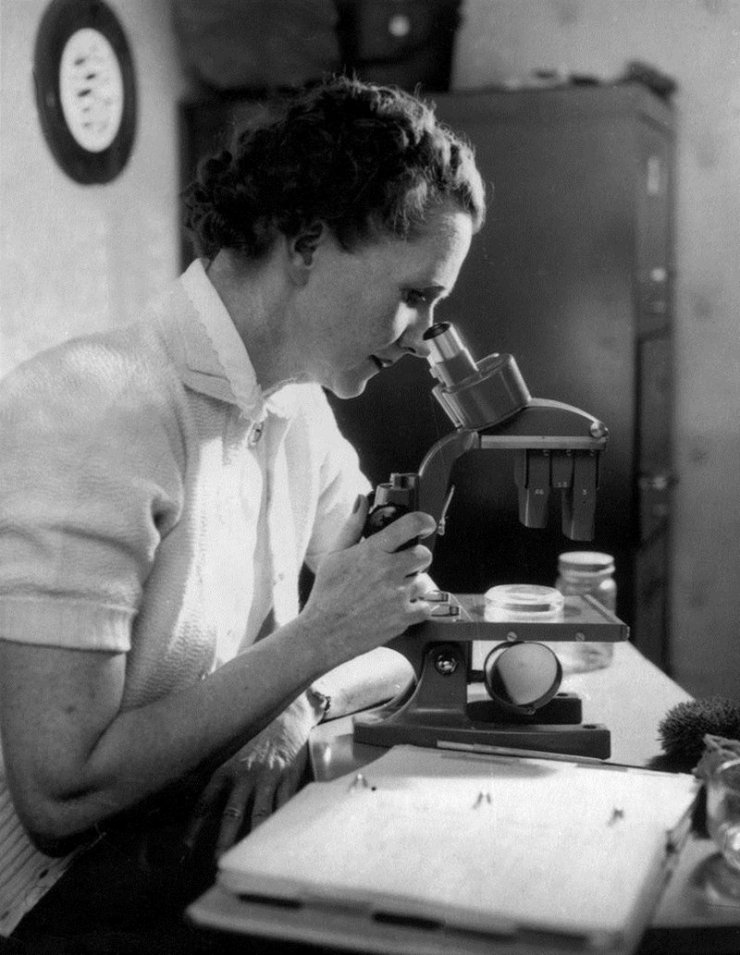
She intended to make sure that if the public continued to be led by politicians who stood by and allowed the looting of the world resources and the pollution of the land, air, and water that our children must inherit, it would not be because we knew no better. In 1957, startling wildlife mortality in the wake of a mosquito control campaign near Duxbury, Massachusetts, was followed by a spraying of DDT over eastern Long Island for the needless eradication of the gypsy moth. That year Carson protested in a letter to the Washington Post about the use of highly poisonous hydrocarbons and organophosphates allied to nerve gases to chemical warfare build-up from small beginnings to what a noted British ecologist recently called “an amazing rain of death upon the surface of the earth.” Most of these chemicals have long-persisting residues on vegetation, in soils, and even in the bodies of earthworms and other organisms. If this “rain of death” has produced such disastrous effects on birds, what of other lives, including our own?
Courtesy of GBH Archives:
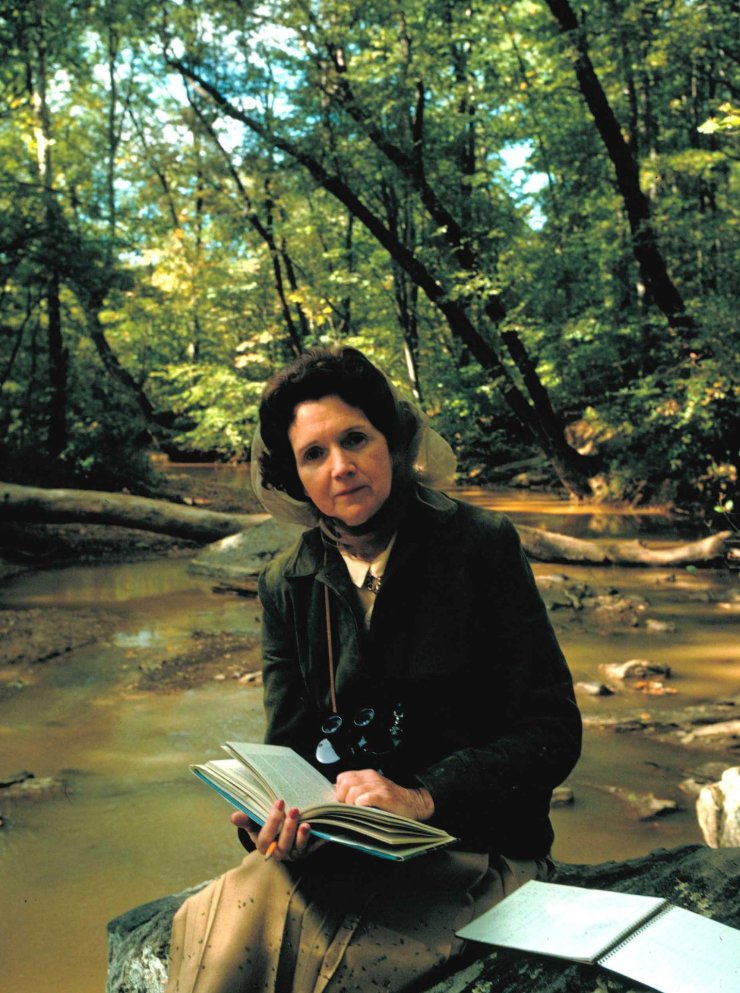
Rachel Carson hit upon a metaphor with her book title “Silent Spring” which would draw these dire warnings to a powerful point.
“There was once a town in the heart of America where all life seemed to live in harmony with its surroundings… Then a strange blight crept over the area and everything began to change… There was a strange stillness… The few birds seen anywhere were moribund; they trembled violently and could not fly. It was a spring without voices. On the mornings that once throbbed with the dawn chorus… of scores of bird voices, there was now no sound; only silence lay over the fields and woods and marsh.”
“Song of the Birds” by Pablo Casals, performed by Yo-Yo Ma (courtesy of Ένας αγέρας)
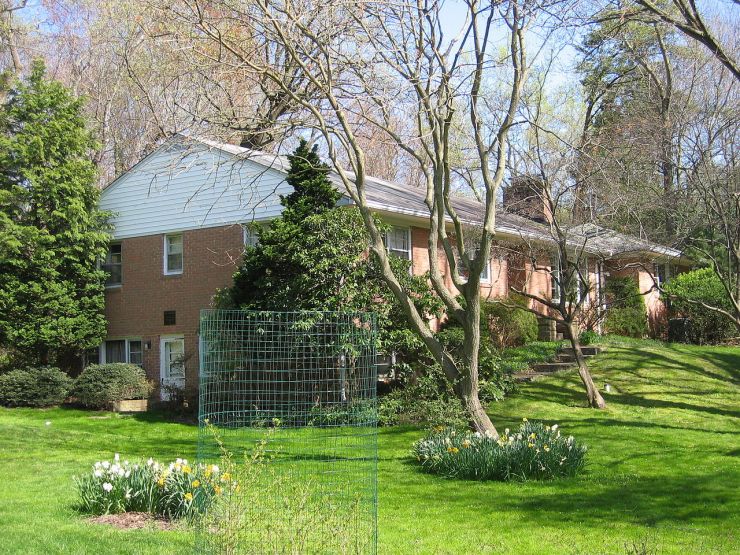
The house of Rachel Carson in Colesville, near Silver Spring, Maryland
Silent Spring, serialised in the New Yorker in June and July of 1962, raised the violent fury of the entire chemical industry. As the book said: “This is an era dominated by industry, in which the right to make a dollar at whatever cost is seldom challenged.” She was accused of many things, including that she “ignored God” and she responded: “As far as I am concerned, there is absolutely no conflict between a belief in evolution and belief in God as the creator. Believing as I do in evolution, I merely believe that is the method by which God created, and is still creating, life on earth. And it is a method so marvellously conceived that to study it in detail is to increase – and certainly never to diminish – one’s reverence and awe both for the Creator and the process.”
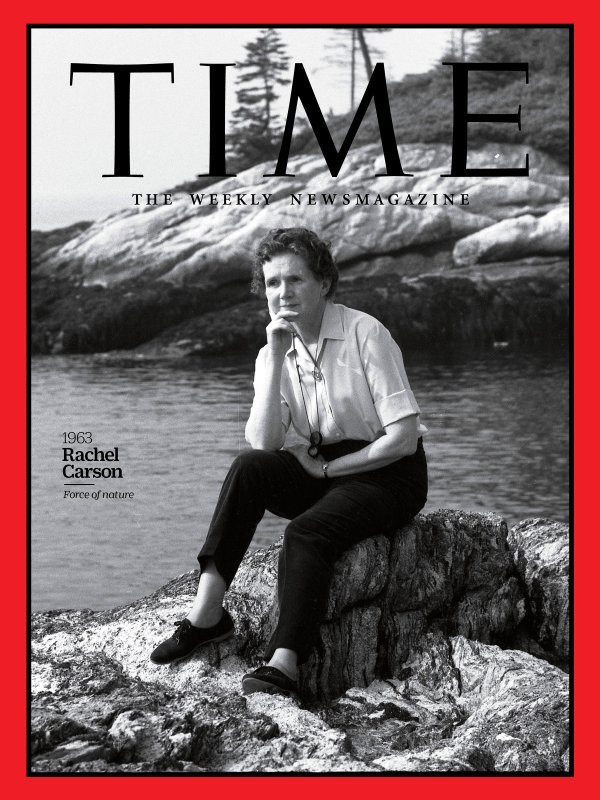
By the end of 1969, Time would run Carson’s photo at the head of an environmental article citing new evidence that completely supported the data in Silent Spring. The book became a runaway bestseller, with international reverberations. Miss Carson was awarded the Audubon Medal and numerous honours. Famed as a scientist whose timely book on chemical poisons served as a warning to the world about the insatiable nature of corporate greed, she was at the same time a great writer, perhaps the finest nature writer of her century. Throughout her life, she was brave and fierce in her defence of what she held most sacred, which was the wonder of life and all its creatures, even such malignant creatures as ourselves.
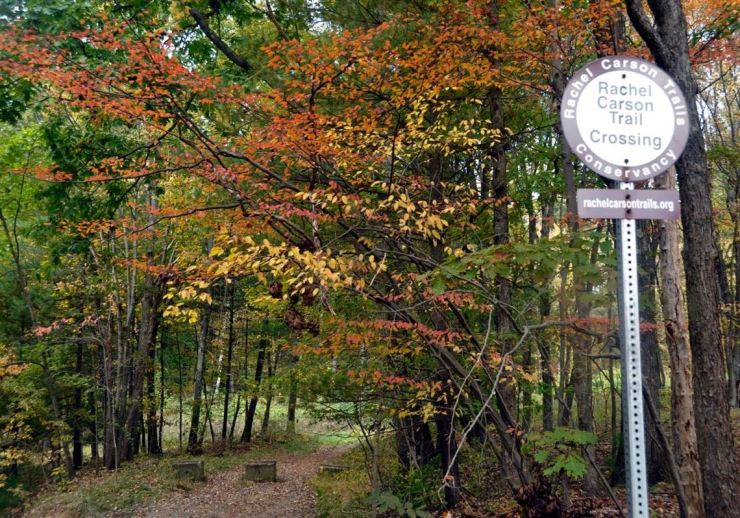
She wrote about forest spruce behind her cottage which she planted:
“The island voice which came… most beautifully and clearly each evening was the voice of a forest spirit, the hermit thrush. At the hour of the evening’s beginnings, its broken and silvery cadences drifted with infinite deliberation across the water. Its phrases were filled with beauty and its meaning that were not wholly of the present, as though the thrush were singing of other sunsets, extending far back beyond his personal memory, through aeons of time when his forebears had known this place and from spruce trees long since returned to earth had sung the beauty of the evening. Mankind has gone very far into an artificial world of its own creation… But I believe that the more clearly we can focus our attention on the wonders and realities of the universe about us, the less taste we shall have for destruction.”
Hermit Thrush
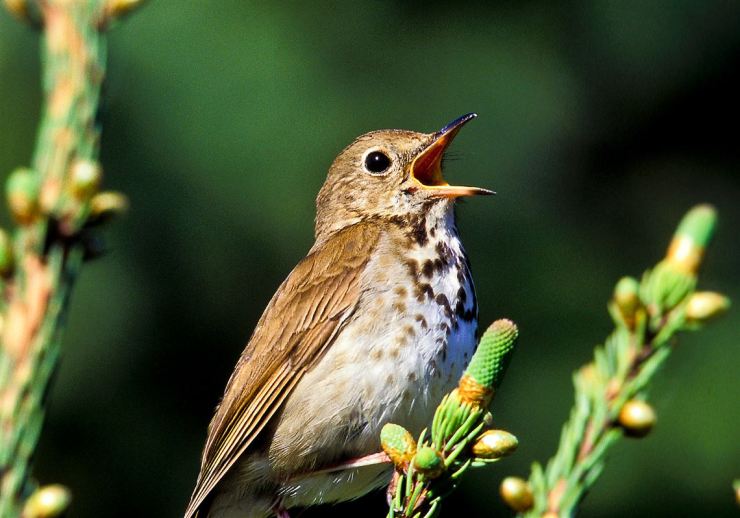
The song of the Hermit Thrush (courtesy of Wild Bird and Nature Videos by McElroy Productions):
At one of the World Wildlife Fund dinners, its former president, the Duke of Edinburgh said:
“Miners used canaries to warn them of deadly gases. It might not be a bad idea if we took the same warning from the dead birds in our countryside.”
Since Rachel Carson wrote “Silent Spring”, her fame can be seen acknowledged everywhere…
The Rachel Carson Bridge spanning the Allegheny River in Pittsburgh, Pennsylvania


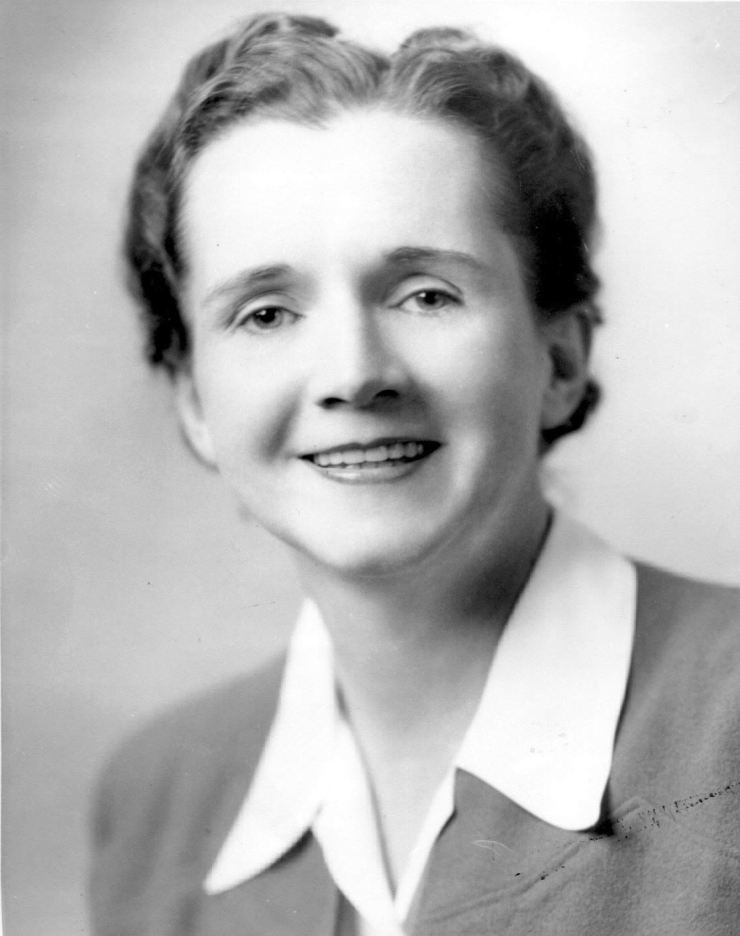
Courtesy of Anna Samsonov:
I leave the last word to Rachel Carson, a remarkable woman:
“The ‘control of nature’ is a phrase conceived in arrogance, born of the Neanderthal age of biology and philosophy, when it was supposed that nature exists for the convenience of man. The concepts and practices of applied entomology for the most part date from the Stone Age of science. It is our alarming misfortune that so primitive a science has armed itself with the most modern and terrible weapons and that in turning them against the insects it has also turned them against the earth.”
“Sérénade mélancolique”, Op. 26 by Tchaikovsky, performed by Jascha Heifetz:


The greed of man will be the end of us all. The chemical companies do not want to lose any money by having their products banned, but, when all of nature loses, common sense should kick in. I think, given the current government in America, the safeguards are or will be off the environment soon. Man needs to stop trying to control parts of nature without concern for all parts of nature. Rachel must be shedding tears in heaven right now. Thanks for sharing Joanna. Allan
LikeLiked by 3 people
Thank you so much, Allan, for your wonderfully perceptive comments! I have the same view about Trump’s way of seeing environmental issues as not important enough to invest any money. Such shortsightedness will have consequences. It makes me emotional just thinking about it because we have only one planet, and we should protect her for our future and all other living beings that share our life on Earth.
Joanna
LikeLiked by 3 people
This can never be repeated too often. We made such great strides, but the peril remains.
LikeLiked by 1 person
Thank you, Dorothy, for you wise comments which are much appreciated!
Joanna
LikeLiked by 1 person
Here’s a quotation from Albert Schweitzer’s 1933 book “From My Life and Thought”:
“Late on the third day, at the very moment when, at sunset, we were making our way through a herd of hippopotamuses, there flashed upon my mind, unforeseen and unsought, the phrase, ‘Reverence for Life'”.
LikeLiked by 2 people
Beautiful!.Thanks Joanna for this! Have a great weekend!
LikeLiked by 1 person
Thank you, Phil, for your lovely comments which are greatly appreciated!
Joanna
LikeLiked by 2 people
Thank you, Steve, for your apt quote which is greatly appreciated!
Joanna
LikeLiked by 1 person
This is a terrific essay. Carson was a brilliant person.
About 12 years ago I saw a museum exhibit about her, and it inspired me to read The Sea Around Us. What a fantastic book. I haven’t read Silent Spring, but I should.
LikeLiked by 2 people
A nice message about Carson and her book Silent Spring.
LikeLiked by 1 person
Thank you, Monica, for your kind comments which are greatly appreciated.
Joanna
LikeLiked by 2 people
Thank you, Neil, for your wonderful comments! I hope you will read Silent Spring, as it is important to hear her visionary voice, especially given your current administration’s lack of concern for the environment.
Joanna
LikeLiked by 2 people
🧡💛💚
LikeLiked by 1 person
Absolutely fascinating information, Joanna. Superbly laid out with lots of wonderful photos, music and videos
I wasn’t very familiar with Rachel Carson, so I really appreciate your great research and presentation 💖💞💖
LikeLiked by 2 people
Thank you, dear Luisa, for your wonderful comments! I especially appreciate your kind effort to make me feel that I added something to your erudite knowledge, which of course, would be an illusion on my part!
Joanna xxx
LikeLiked by 3 people
Thank you for your lovely comments which are much appreciated!
Joanna
LikeLiked by 1 person
Thank you from the bottom of my heart for your lovely reply, dear Joanna! 💗
I am so pleased we are connected . I learn something new every time I stop by your place!!!
LikeLiked by 1 person
Thank you, dear Luisa! I wish!
Joanna xx
LikeLiked by 2 people
My pleasure!
LikeLiked by 1 person
Thank you, Joanna, for writing about Silent Spring and Rachel Carson this week. The opening quote from Albert Schweitzer is an apt way to begin a discussion on such a critical issue—the misuse of chemical insecticides like DDT. It was a bold move for Rachel Carson to speak out against this in the 1940s, as you rightly call her a ‘messenger of modern environmentalism’.
Her book, Silent Spring, inevitably provoked fierce backlash from the chemical industry. However, over time, people recognised their mistakes, and she was honoured with numerous awards, including the Audubon Medal—much like Galileo, who was once condemned for his groundbreaking discoveries.
The British ecologist’s words, “An amazing rain of death upon the surface of the earth,” perfectly capture the devastating impact of chemicals. Eliminating insects disrupts the ecosystem, as they share the same food sources as humans. And yet, we wonder why cancer rates continue to rise.
Our ancestors practised organic farming for centuries, yet they were dismissed as primitive for avoiding chemical fertilisers and pesticides. Faced with food shortages, we also embraced these chemicals about sixty years ago to boost productivity—only to now see a global resurgence in organic farming.
Your final point on the “control of nature” is profoundly true. Even today, scientists boast about conquering the moon or mastering nature. But we cannot conquer nature; we can only learn to coexist with it.
The excerpt from Undersea beautifully showcases Carson’s poetic prose and deep appreciation for nature’s wonders. Thank you, Joanna, once again, for this extraordinary post about an extraordinary author. The images, audio, and video clips make this piece both engaging and enlightening.
LikeLiked by 2 people
This is a wonderful testament to the sort of human being we need many more of – those who appreciate, admire and defend Nature and the planet itself. The very thought of a silent spring is haunting. Ms Carson had a gift for communicating her message in a way that would register deeply. So much has been lost already but the people in power are blind. I thank you for writing this and for the wonderful images, videos and music.
LikeLike
💞🙏💞
LikeLiked by 1 person
Thank you, Carolyn, for your thoughtful comments! Rachel Carson’s book made such an impact on me that I had to include her in my posts. I am awaiting Sir David Attenborough’s new documentary feature-length special on our oceans. He believes the ocean is Earth’s ‘life support system’, and his work about the ocean represents his hope the seas will recover from man-made pollution. He says, after living for nearly 100 years on this planet, I now understand the most important place on Earth is not on land, but at sea. Ocean with David Attenborough will look across the globe and how to reverse harmful human activity in all kinds of marine habitats.
Rachel Carson would approve!
Joanna
PS. Sir David will be 99 on May 8.
Joanna
LikeLiked by 1 person
XXX!
LikeLiked by 2 people
Thank you so much, Kaushal, for your wonderfully analytical comments! I am concern about the pollution and that is why my wildlife garden is organic. I think, Rachel Carson would be happy to know that people are aware of dangers, and that there are those like Sir David Attenborough who produce documentaries representing his hope that the seas will recover from man-made pollution. I am glad that India follows the ancient practice of organic farming as it will improve the health of the population.
Thank you again, Kaushal, your kind and wise words are deeply appreciated!
Joanna
LikeLiked by 1 person
It’s truly my pleasure, Joanna, to read your well researched posts. You’re welcome, always!
LikeLike
Thank you, Kaushal, you are very kind!
Joanna
LikeLiked by 1 person
Thank you for this incredible share, Joanna. She was an amazing visionary. ✨
LikeLike
What a wonderful and informative post. She was truly remarkable, and I sincerely hope that more people start to understand that the world is facing countless environmental challenges. Thanks for sharing.
LikeLiked by 1 person
Thank you, Diana, for your wonderfully thoughtful comments! There is always hope, especially as we will have very soon a new documentary about the methods of recovering from pollution of the most important lace on Earth, the ocean. It is by Sir David Attenborough, who will be 99 in May .
Joanna
LikeLiked by 1 person
Thank you, Michele, for your thoughtful comments which are much appreciated!
Joanna
LikeLiked by 1 person
A very interesting and informative post about Rachel Carson! Silent Spring is such a heartbreaking book, I could not bring myself to read The Sea Around Us. She was certainly a heroine, and did all she could to save the earth from those who are so willfully on the path to destruction.
LikeLike
Thank you, Harini, for your wonderful comments! Yes, she was a visionary and alerted us to the dangers our planet was in. I am glad that others follow her example, whether they know about her or not from farmers in India going back to organic farming, and Sir David Attenborough’s documentary on the man-made pollution of the oceans. Perhaps, we will be just in time for the destruction of the only planet we have.
Thank you again, Harini, your thoughts are much appreciated!
Joanna
LikeLiked by 1 person
You’re very welcome and thank you for your beautiful posts!
LikeLike
Thank you, Michele, you are very kind!
Joanna
LikeLiked by 1 person
🌞🙏🏻
LikeLike
Thanks for sharing yet another beautiful posting. I first read Silent Spring 1969 and it continues to make a lasting impression on my attitude toward nature. Sadly, we continue to not listen to her alarm.
LikeLiked by 1 person
Thank goodness, there are people who care.
LikeLike
Thank you so much, Kenne, for your wonderfully thoughtful comments! There are the voices that continue her warning such as upcoming documentary by Sir David Attenborough representing his hope the seas will recover from man-made pollution. Ocean with David Attenborough will look across the globe and shoe how to reverse harmful human activity in all kinds of marine habitats.
Thank you again, Kenne, your thought are much appreciated!
Joanna
LikeLiked by 1 person
I wholly agree with you, Diana!
Joanna
LikeLiked by 1 person
💚🍀
LikeLike
Thank you, Filipa, for your comment which is much appreciated!
Joanna
LikeLiked by 1 person
Brilliant and timely, Joanna. It also prompted me to see if the Orange One had banished her book yet and so far so good. This is post continues your impeccably high standards. I enjoyed it very much,
LikeLiked by 1 person
Thank you, Pat, for your wonderful comments which are much appreciated! The orange idiot won’t last!
Joanna x
LikeLiked by 1 person
Again a great post Joanna, pictures videos are also too good. Ms.Carson poems are testament to her love for nature and its conservation.
LikeLiked by 1 person
Thank you, Prafulla, for your wonderful comments which are much appreciated! There are people such as Sir David Attenborough who are documenting the pollution of the oceans and how to remedy and reverse harmful human activity in all kinds of marine habitats.
Joanna
LikeLiked by 2 people
One can only hope. I have heard that once someone is diagnosed with dementia, they last about 7 years. He has surely had it almost that long.
LikeLiked by 1 person
I don’t think he has dementia, but he is simply going mad!
Joanna
LikeLiked by 2 people
Your always welcome Joanna, Nice to know about Sir David ‘s work on marine habitats.tc
LikeLiked by 1 person
You are more than welcome, Prafulla!
Joanna
LikeLiked by 1 person