
Courtesy of Quagmi:
“My Thames above all the rest.”
John Milton
Courtesy of Mattia Bicchi:
“The Thames is no ordinary waterway,
it is the golden thread of our nation’s history.”
Winston Churchill

Courtesy of New London Architecture:
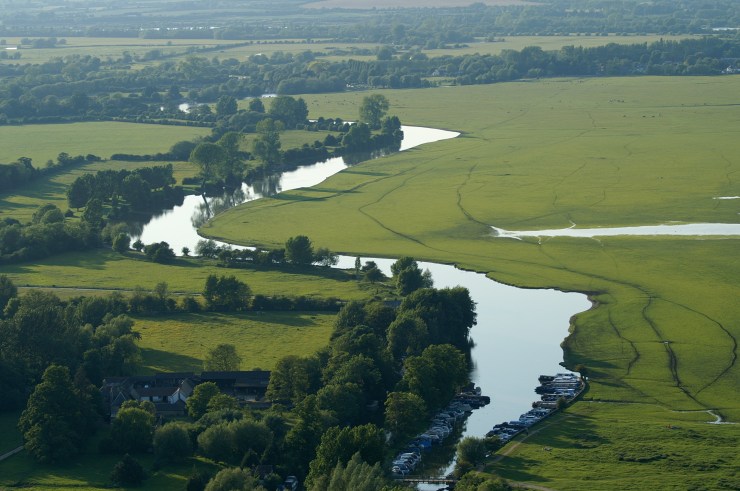
The Thames is a very special river because it has witnessed so many national and political events, and it has such a world-famous history. The basic facts are: the Thames is 215 miles/346 km long and is the second-longest river in Britain, after the Severn, which is longer by 5 miles. Source – Thames Head. Mouth – North Sea, Thames Estuary. The Thames runs along the borders of nine English counties and has 134 bridges. Along the Thames’ border are cities – London, Oxford, Henley-on-Thames, Reading, Windsor.
From source to mouth (courtesy of Reizenlangsrivieren):

Most of the Thames’ energy is lost in turbulence and friction. The river flows in loops and it defies the prediction of its direction. As it is, it flows east, then north-west, then west, then south, then north. The difference between high and low tides varies greatly in places. During the Roman occupation, it was a difference of over 3 feet, today in the area of London Bridge, it is between 15 and 22 feet (4.5 and 6.7m). The high tide has risen greatly over a period of two thousand years. The reason is that the south-east coast of England is sinking slowly into the water at the rate of approximately 12 inches (303mm) per century. In 4000 BC the land beside the Thames was 46 feet (14m) higher than it is now, and in 3000 BC it was 31 feet (9.4m) higher. It is expected that this combined with other aspects, predicts that the Thames Barrier will have to be rebuilt to provide adequate protection for London. The Thames has now been controlled by many generations but it is still work in progress. The river has taken the same course for thousands of years after being pushed southward by the glacification of the ice age. Various stretches of the Thames have correspondingly different characters and atmospheres, and its own history. This is why more than one part is needed to cover the Thames’ illustrious history, called also for that reason – the liquid history.
Frost Fairs, London’s frozen Thames (courtesy of Museum of London):

The Thames is a symbol of eternity and an image of the nation. Those who visit this country only need to travel along the Thames’ borders to see picturesque villages, with thatched, picture-postcard cottages, and beautiful gardens, or towns and cities where architecture dates back hundreds of years, like in London, Oxford, Henley-on-Thames or in Windsor. Without the Thames, there would no London or any others. The Thames has been for centuries a source of water, a sewer, a source of power, food, recreation, and a playground – it is a provider of the many necessities of life, and the creator of our civilization. The Thames helped London to grow and prosper, and the river in its magnificence represents Englishness itself.
“Reflections on the Thames” performed by the BBC Symphony Orchestra Core (courtesy of Damian Andrzejcuk):
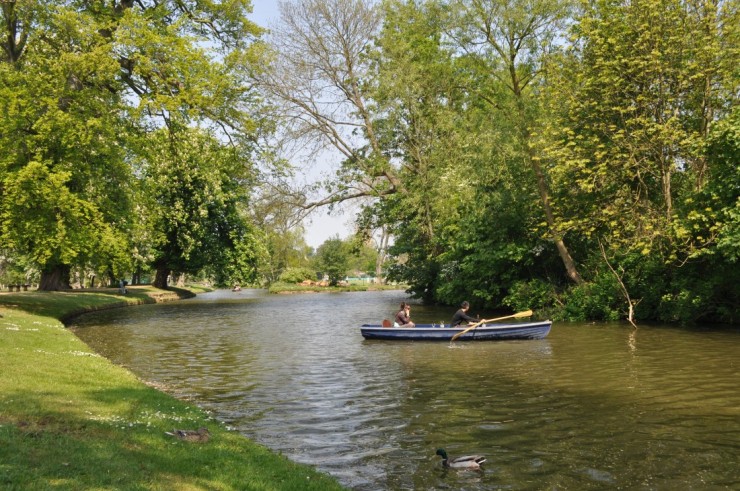
The Thames at Oxford
A typical English cottage

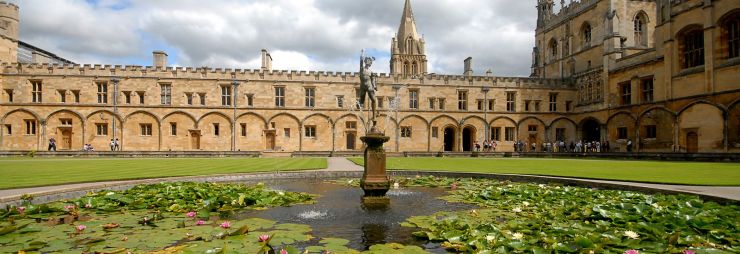
An example of the architecture of Christ Church, Oxford
Courtesy of Kit Sullivan:
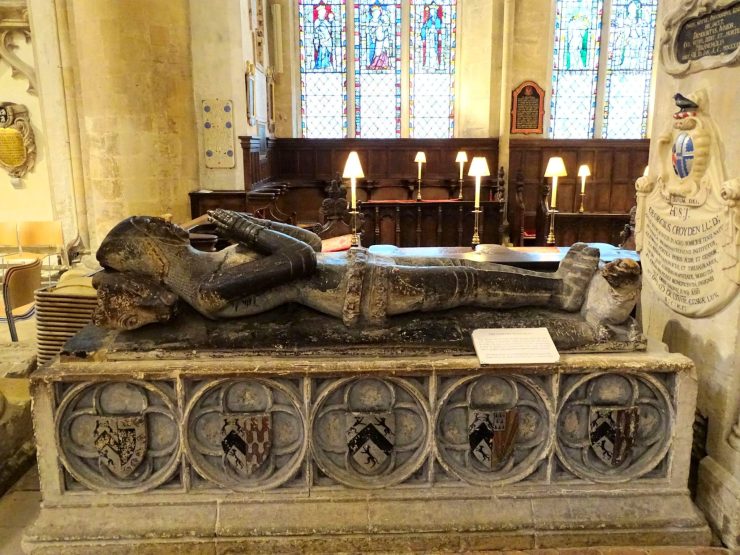
Anyone planning a visit to the UK in the hopefully near future should include Oxford in their plans. It is a remarkable city as even every pebble, every stone or step is steeped in dramatic history. The central and most significant part is Oxford University. While there is no clear date of its foundation, teaching existed at Oxford in 1096 and progressed considerably from 1167 after Henry II banned English students from attending the Paris University. The oldest Oxford Colleges are Balliol and Merton. It is a moving experience to look at the steps of the 1000-year-old tower at Broad Street or to touch the sarcophagus of the knight John de Nawers resting for eternity in Christ Church Cathedral, with his faithful dog at his feet, and not to feel emotional at touching history.
And what a dramatic history! The oldest church in Oxford, St Michael at the North Gate, with the tower built around 1000 years ago, the creation of Christ Church first by Cardinal Wolsey, then remodeled by King Henry VIII after the two fell out, the burning at stakes outside Balliol College of notable clergymen during the Catholic reign of Queen Anne, the taking over the University by King Charles I when he was battling with the Parliamentarian army and stayed in Christ Church, the dreadful times of Cromwell, and later on, the more intellectual times of producing philosophers, writers, poets, and Prime Ministers.
Courtesy of Irina Palok:
In Christ Church Deanery’s garden, there is still the tree under which sat Lewis Carroll with a young daughter of the Dean, when he told her the incredible stories about Alice in Wonderland, now read by millions of children all over the world. It was one of my favourites too, and I read it probably one hundred times. The story of a little girl who followed the white rabbit underground into a magical world of adventures is never out of print and was made several times into films. Lewis Carroll had a malleable attitude towards space and place that was well portrayed on the screen. And that is only a tiny part of Oxford’s unique history.
Charles Lutwidge Dodgson, pen name Lewis Carroll

The Dean’s daughter, Alice Liddell, his inspiration

Alice talking to the wonderful, always disappearing into thin air, magical Cheshire Cat

The Mad Hatter’s tea party

A hundred years on, the Alice tree is still attracting the attention of visitors to the Deanery.
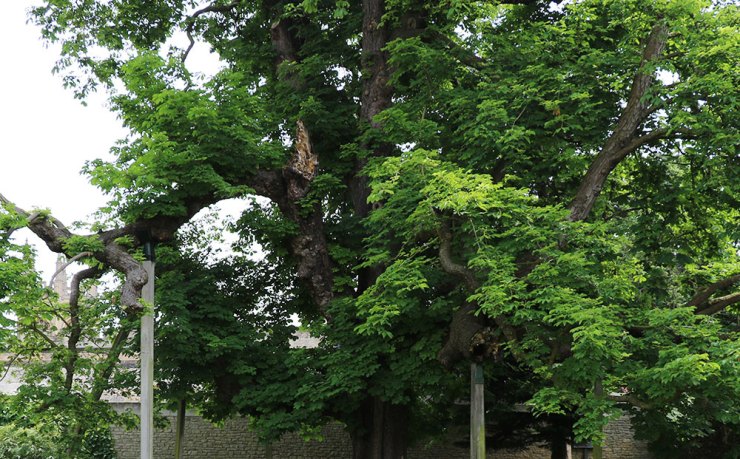
Lewis Carroll’s Oxford (courtesy of EduSakon):
At Oxford, like in Venice, tourists and locals equally enjoy the punts on the Thames in gondolas, sorry kayaks. Utter bliss.

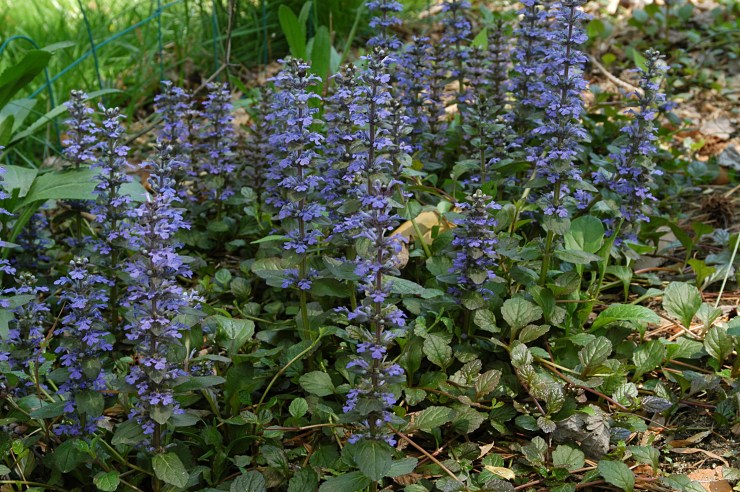
Before I write about another famous city gifted to us by the Thames, I have to mention what is abundantly growing along the borders of this river – herbs. The medicinal properties of the herbs growing beside the Thames have been known for centuries. Comfrey was used to calm ulcers, St John’s Wort was a cure for depression, the bugleweed was used as a sedative, yellow bedstraw treated infection of the feet, marigold for the eyes and the skin, a meadowsweet potion for inflammation of the eyes. Sweet sedge, that grows in the Thames water was scattered on the floors of houses and churches to make them smell fragrant. The seventeenth-century herbalist Nicholas Culpeper wrote about the healing power of herbs. Common yarrow was known to the Thames’ bargemen to help close up open wounds and prevent swelling and inflammation. Many of the herbs are used even today by alternative medicine. It can be said, that like the herbs it grows, the Thames itself can heal.
Bugleweed
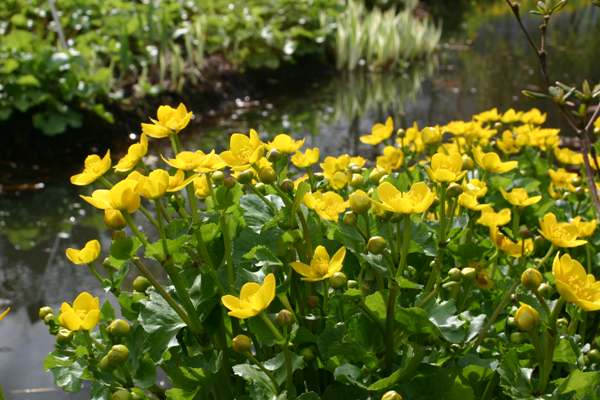
Common Yarrow

Henley-on-Thames is a beautiful town, famous for the rowing event that is known as the centre of the international sailing competition. The town is consistently voted as one of the best places to live in Britain. Henley nestles at the base of the Chilterns, which is considered to be the nicest stretch of the River Thames. The town was created as a planned medieval town in the twelfth century by the royal initiative. By 1250 Henley was a flourishing market town beside the Thames. Rowing is at the heart of Henley. The first Henley Regatta was held in 1839. Since then Henley Royal Regatta has had every reigning monarch as its patron. There are two majestic statues of Gold medallists at the River and Rowing Museum, opened in 1998. It is very much worth a visit for its history of rowing in the UK and also for the history of the town of Henley.
Courtesy of HenleyRoyalRegatta:
The statues of the champion rowers, Steve Redgrave and Matthew Pinsent, at the River and Rowing Museum

Courtesy of Humphreys of Henley:
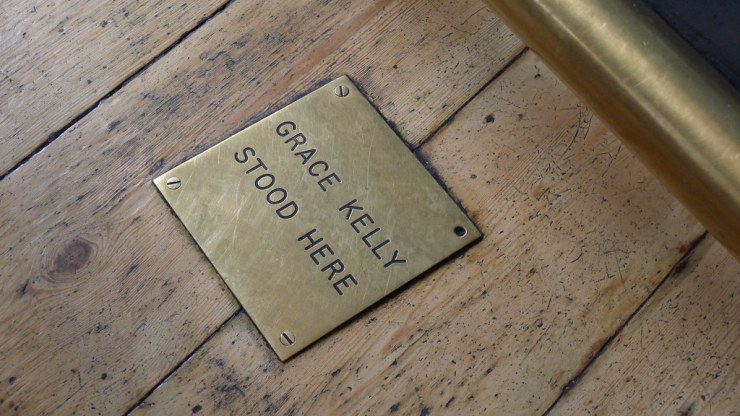
In the first week in July, one can see flamboyantly dressed people drinking Pimm’s in the hospitality marquee. Grace Kelly attended the Regatta with her brother Jack Kelly, Jr who won the Diamond Scull in 1947 and 1949. In the Angel on the Bridge pub, there is a plaque on the floor commemorating one of her visits – Grace Kelly stood here. In 2003 the Women’s Quadruple Sculls trophy was named in her memory.
The plaque at the Angel on the Bridge pub
Grace Kelly (centre) at Henley Royal Regatta

The traditional dress code for the exclusive Stewards’ Enclosure is strictly enforced. It states: “Gentlemen are required to wear lounge suits, or jackets or blazers with flannels, and a tie or cravat. Ladies are required to wear dresses or skirts with a hemline below the knee and will not be admitted wearing divided skirts, culottes, or trousers of any kind. Similarly, no one will be admitted to the Stewards’ Enclosure wearing shorts or jeans. Whilst not a requirement, it is customary for ladies to wear hats.”
Moment of winning!

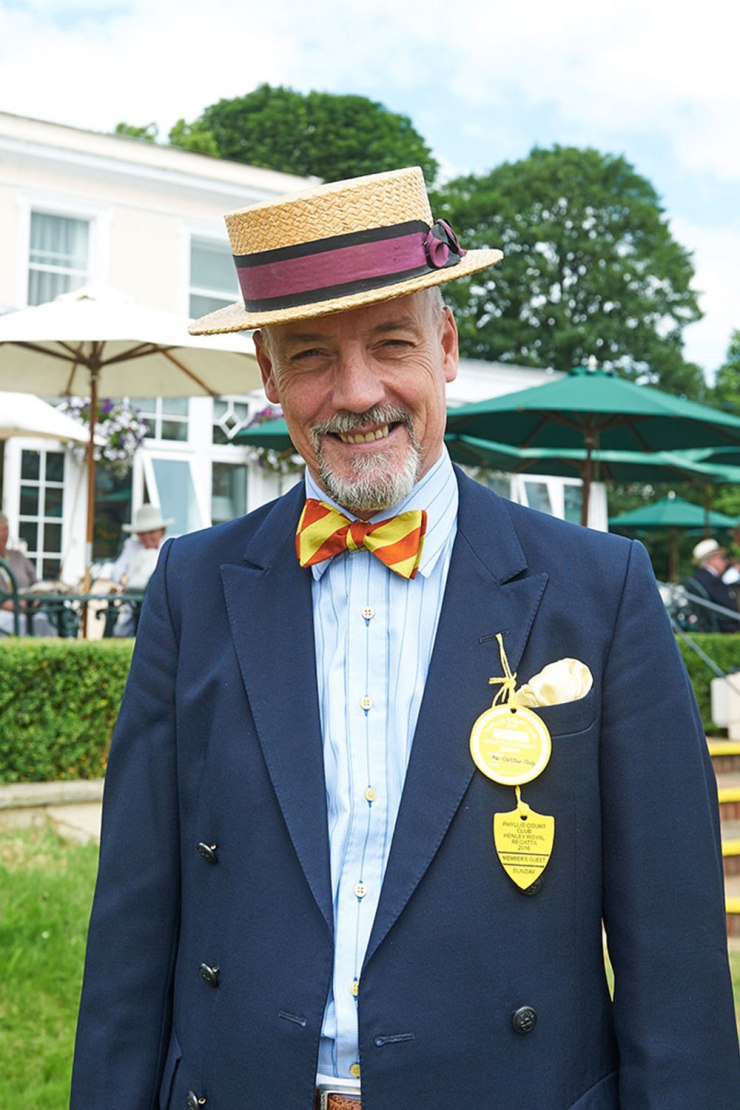
Regatta – dress style
A win at Henley Regatta is the ultimate triumph for most rowers. A picnic is very much part of the Regatta tradition. The town has also many thriving businesses – ‘the butcher, the baker, and the candlestick maker’, also craft shops, bookshops, a brewery, and many old-fashioned pubs. There are the Henley Symphony Orchestra and the Kenton Theatre, which is the fourth oldest theatre in the country, established in 1805. Henley offers many cultural activities, including the Literary Festival and the Blues and Jazz Festival.


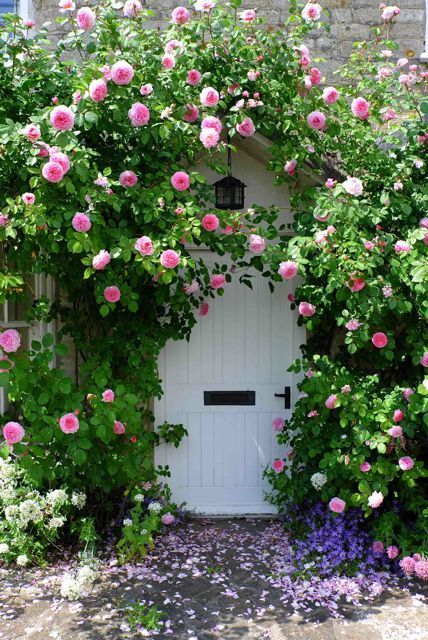
Blossoming flowers and greenery around the Georgian door of an old house’s brick facade on the river Thames
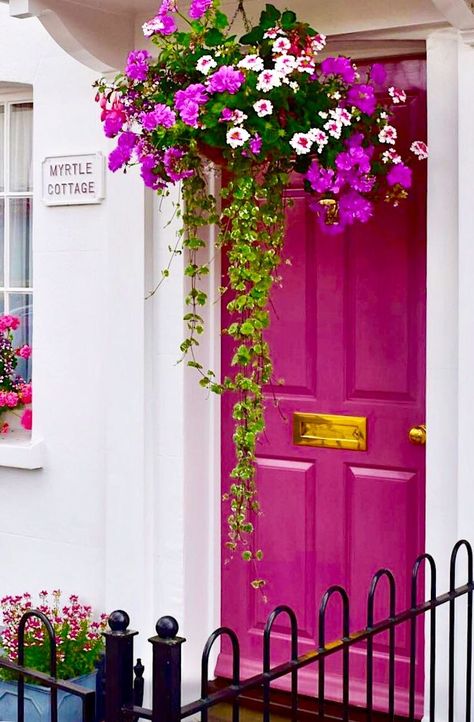
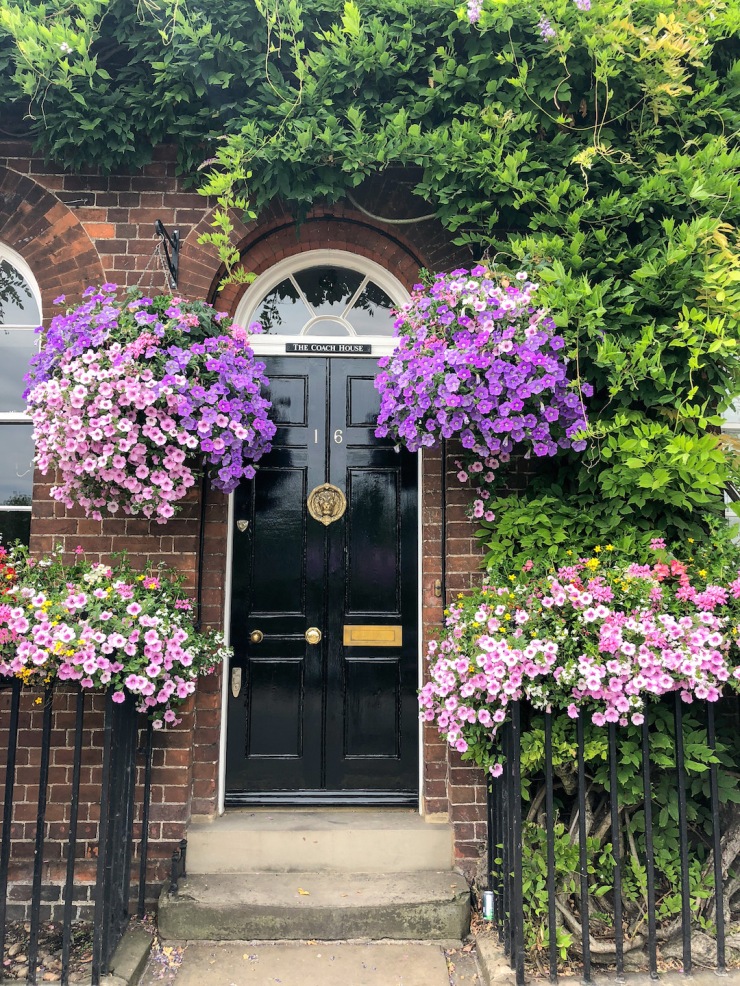
 Henley maintains its bid to be the most attractive town by hanging over 170 baskets around. There is also a band playing during the summer weekends. It needs to be said that while many celebrities live here and there are opulent mansions scattered around, there is a close, friendly community that includes everyone living in town. The countryside around Henley is stunning whatever the time of the year. In the spring there are here the finest bluebell woods, in the summer harvest golden hay bales and grazing cows contrast with deep green hedgerows, the autumn brings the crisp air and smell of fallen leaves, and brambles laden with blackberries, and the ground covered with acorns and conkers. Winter’s views around Henley are also impressive, although they could bring some floods.
To see more you will have to come and visit yourself. The best book about this extraordinary town is ‘Portrait of Henley-On-Thames’ by Jim Donahue. Originally from the US, he has been living in the Henley area for close to twenty years now and is regarded as native. My notes are based on his book. Thank you, Jim.
Suite No. 1 from the “Water Music”: Air-Andante by Handel (courtesy of Millie):


Dear Joanna,
Reading your remarkable article felt far more than reading an ordinary travel narrative; it felt like entering a living tapestry woven from history, culture, nature, literature, and human memory. Your affection for the River Thames flows naturally through every paragraph, making the reader feel as though they are personally standing upon its banks sometimes walking through the ancient streets of Oxford, sometimes witnessing the festive spirit of Henley, and sometimes quietly gazing at a peaceful riverside village where time itself seems to pause.
You have not portrayed the Thames merely as a river, but as the very soul of England a living symbol of its heritage, its memories, and its cultural consciousness. That perspective is both rare and deeply moving. Your detailed reflections on the river’s changing course, tides, geological evolution, and the civilization that flourished along its banks provide not only knowledge but also profound emotional resonance.
Your description of Oxford was especially captivating. Through its stone towers, churches, stairways, and ancient architecture, you brought history vividly to life. It felt as though every wall and every path still carried the echoes of centuries past. The section about Lewis Carroll, Alice Liddell, and the magical world of Alice in Wonderland was particularly enchanting. There is something deeply touching in knowing that such an immortal world of imagination was inspired beneath the shade of a real tree that still stands today, continuing to fascinate visitors from around the world.
Your portrayal of Henley-on-Thames was equally delightful. Reading about the regatta traditions, elegant gatherings, historic pubs, literary festivals, music, flower-filled streets, and the town’s intimate relationship with the river felt like stepping into the pages of a beautifully painted English storybook. Every image was presented with such warmth and clarity that the atmosphere itself became almost tangible.
I was especially fascinated by the section describing the medicinal herbs growing along the Thames. It was not merely a botanical observation, but a reminder of the ancient relationship between humanity and nature a time when rivers nourished not only the body, but also the spirit. Some rivers sustain civilizations, while others quietly heal the human soul; in your writing, the Thames becomes both.
One of the most admirable qualities of your writing is the beautiful balance between historical detail and emotional sensitivity. You never allow the historical information to become heavy, nor the emotional reflections to feel exaggerated. Because of this, the article does far more than inform it leaves behind a calm, reflective, and lasting impression upon the reader.
Thank you for sharing such a beautifully researched and deeply heartfelt piece. Through your words, readers do not merely travel beside the Thames; they journey through time, memory, literature, and culture itself. Long after finishing the article, one continues to feel the quiet flow of the river within the imagination.
LikeLike
How absolutely wonderful Joanna, thank you for another beautifully put together post. I always learn something from your posts, sending love and hugs, Morag x
LikeLike
Thank you so much, dear Vijay, for the wonderfully analytical comments, which I love and deeply appreciate! As always, your talent in seeing my post through the eyes of a great thinker makes my day!
Joanna
LikeLiked by 1 person
This made me very nostalgic! I lived not far from the Thames till I was 8. I remember feeding seagulls by the river and pigeons at Trafalgar Square. Later on I got to know the country more when I travelled by road with a friend, visiting many historic and wonderfully scenic places. This brought back those wonderful visits. I loved all those ducks/geese/swans too and the beautiful music. Thank you!
LikeLike
Thank you, Morag, for the wonderful comments, which I love and greatly appreciate!
Joanna x
LikeLiked by 1 person
Hi. I’ve seen only the London section of the Thames. Great city. Great river. And your article is great too.
LikeLike
You are welcome 🤗
LikeLike
Thank you, Neil, for the wonderful comments, which are greatly appreciated!
Joanna
LikeLiked by 1 person
Thank you so much, Carolyn, for the wonderful comments, which I love and deeply appreciate!
Joanna
LikeLike
You have created a great tribute to a great river Joanna. We have had the good fortune to walk beside it in London and Windsor and to take sightseeing boats on it in the same two places. The river in Windsor is vastly different than the one in London. Thanks for posting this tribute. Happy Thursday. Allan
LikeLike
Thank you, Allan, for the wonderful comments, which I love and very much appreciate!
Joanna
LikeLiked by 1 person
I love the Thames. It has the history of the nation on its banks.
LikeLike
Thank you, Pat, for the thoughtful comments, which are greatly appreciated!
Joanna
LikeLike
Superb post! Having lived on its banks between Putney & Barnes in the early 70’s this river definitely gets under one’s skin! And having worked for nearly 30 years just off the southern end of Vauxhall Bridge, it’s no wonder I continue to be drawn back to those days. So many of the places that you mention are familiar to me & I look forward to the next piece.
Thank you Joanna for this wonderful post. 🤗💓🙏
LikeLike
Thank you so much, dear Ashley, for the wonderful comments, which I love and greatly appreciate!
Joanna
LikeLiked by 1 person
You are very welcome! I’d love to revisit the river, perhaps some part I’ve not visited before! I’ll keep you posted. 🤗
LikeLike
There are many parts of the Thames that you might find interesting!
Joanna
LikeLiked by 1 person
What a beautiful tribute to the Thames, the landmark, the image, and indeed the very soul of London. Churchill’s quote at the beginning perfectly underlines its immense significance.
As you so eloquently portrayed through your videos and images, the Thames has inspired countless artists with its changing course, shifting tides, and fascinating geological character. You rightly observed that the river has been a provider for centuries, and without the Thames, there would perhaps be no London at all. In many ways, it truly represents the essence of Englishness.
From the unpredictable direction of its flow towards Oxford, to Christ Church, the Alice tree, and then onward to Henley-on-Thames with its renowned Rowing Museum; every segment was captivating to read and explore. I know how deeply you love this country and how passionately you have visited Christ Church and many other historic places there.
I was enchanted by the old architecture and the colourful flowers, but what impressed me most were the medicinal herbs growing along the Thames and their healing properties. I also thoroughly enjoyed learning about the literary festivals, music traditions, the Regatta customs, and the strict traditional dress code for the Stewards’ Enclosure. The sight of the 170 hanging baskets must have been absolutely stunning.
A beautifully presented piece indeed, Joanna. I truly appreciate the way you delved into the historical and literary aspects of Oxford, bringing alive its towers, churches, stairways, and timeless charm.
I shall eagerly wait to read the next part. Thank you once again for the time and effort you invested in keeping us informed about the Thames in such an engaging, insightful, and captivating manner.
LikeLike
Thank you so much, Kaushal, for the wonderful and analytical comments, which I love and deeply appreciate! As always, you are more than welcome!
Joanna
LikeLiked by 1 person
It’s truly my pleasure, Joanna! Always welcome 🙏
LikeLike
Thank you, Kaushal, for being so kind!
Joanna
LikeLiked by 1 person
The Thames and the communities that sit on it is truly fascinating. It is certainly on my list.
LikeLike
Thank you, Diana, for the kind comments, which are much appreciated.
Joanna
LikeLiked by 1 person
Delightful! 💕🌻
LikeLiked by 1 person
Thank you, Sharon, for the wonderful comment, which is greatly appreciated!
Joanna x
LikeLiked by 2 people
Most welcome, dear Joanna! 🥰
LikeLiked by 2 people
Thank you, dear Sharon!
Joanna x
LikeLiked by 2 people
As often happens with your posts, I can’t find the words to express my admiration and gratitude for the richness of this article.
I was fascinated by the wealth of information, the music, the breathtaking images, and the beautiful videos.
LikeLiked by 1 person
Thank you, dear Luisa, for the wonderful comments, which I greatly appreciate!
Joanna x
LikeLiked by 2 people
You’re so very welcome, dear Joanna!
It’s always my pleasure my friend! Cheers! 💖😘💖
LikeLike
Thank you so much, dear Luisa!
Joanna x
LikeLiked by 1 person
That was a great tribute to the river Thames which the landmark of London, Joanna !The opening quotes underline the immense significance of the river Thames which is the soul of London :“The Thames is no ordinary waterway, it is the golden thread of our nation’s history.”-Winston Churchill & My Thames above all the best-John Milton . Thank you for the time and the great effort you spent in informing us about the Thames in such an engaging, insightful, and captivating manner.Looking forward to next parts
LikeLike
Thank you so much, Dhirendra, for the wonderful comments, which are greatly appreciated!
Joanna
LikeLiked by 1 person
My hearty pleasure for liking my comments on your enriching post, Joanna 🙏
LikeLike
Thank you, Dhirendra!
Joanna
LikeLiked by 1 person
What an interesting tour along the River Thames and its surroundings! You can really feel the history, culture, and beauty of the places described. Thank you for sharing; it’s a very comprehensive and fascinating journey.
LikeLike
Thank you, Lincol, for the wonderful comments, which are greatly appreciated!
Joanna
LikeLiked by 1 person