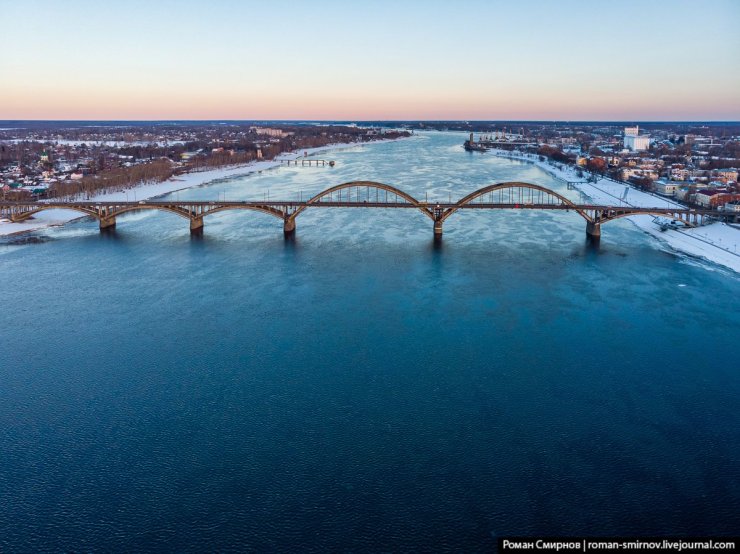
“To know Russia is to know the Volga”
Russian proverb
“The Volga Boatmen’s Song”, performed by the Red Army Choir (courtesy of cortezawwris):

“Mighty with water like the sea,
And just as our motherland – free.”
“Song of the Volga”
Courtesy of kirikset:
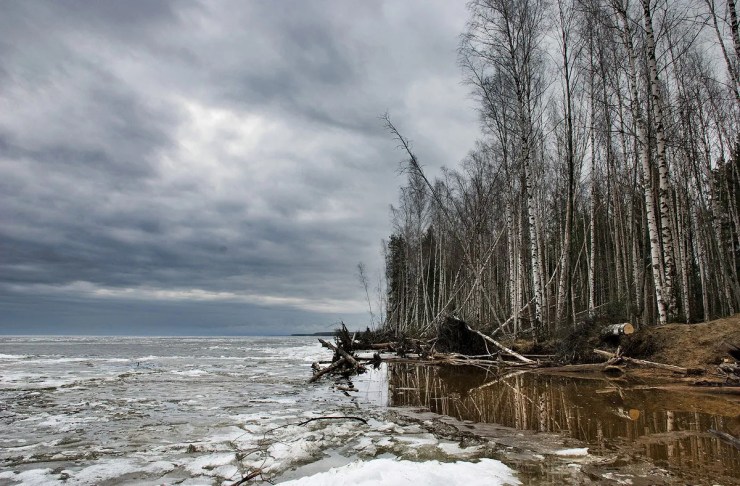
Courtesy of Eagle Eye V&D Studio:
The river Volga is of particular interest to me as my great grandfather, Cazimir, settled in a little town on the river’s border while he was a young man just out of engineering college. When his parents’ country house burned down and there was no money to pay university fees, being very mathematically gifted, he went to an engineering college. His tutor recommended him to the head of the steelworks in the town situated on the Volga’s border. I think that the change that occurred in him when he saw ‘the pour’ is worth telling.
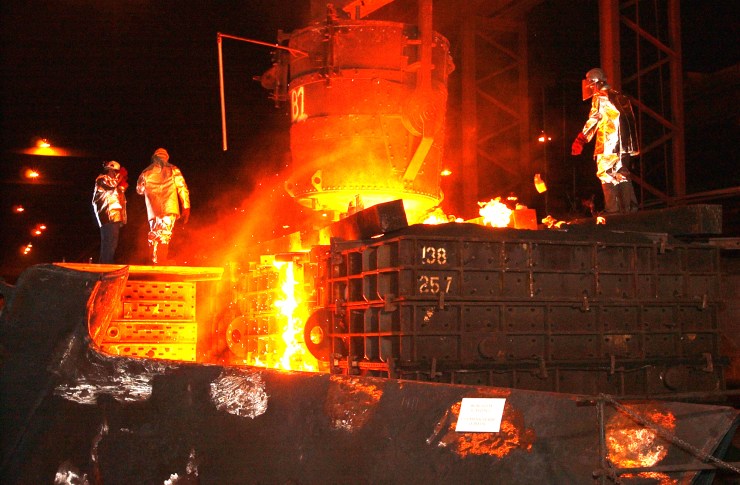
‘They left the building and turned into the wide entrance of the steelworks. The courtyard, littered with pieces of broken slag, bits of iron and skeins of wire, led into the hubbub of the workshop. A cacophony of noise hit them. Anton pointed to the huge, high furnace. A gaunt man, in dark glasses and protective clothing, stood several feet from the open furnace doors, stirring the red-hot liquid iron with a long rod, which was shaped like a giant ladle. “Have you noticed what the rod is made of?” shouted Anton through the noise of the huge bellows and the rhythmical beat of the hammers. Cazimir looked closer, the blackened rod was made of wood. He turned to Anton surprised. “Yes, it is wooden. A metal rod would melt in seconds!” Somewhere from behind their backs, a low train of open, metal baskets, full of ore, trundled rustily towards the side of the furnace. Each basket was raised by a special lift to the open mouth of the furnace before being emptied swiftly. Cazimir looked amazed, and Anton could not help a smile. “Wait until the pour – then you will see something to talk about.” A loud bell drowned out their voices. The founder solemnly put on a hat with a wire net, covering his face. Next, went on knee-pads, a thick hide apron and finally, long, wide gloves. Only then did he slowly drill, using an oxyacetylene flame, the opening through which the fluid mass of iron would flow.
Courtesy of Castrads:
The semi-darkness around them was suddenly lit up by the flash of a thousand burning stars. From the mouth of the furnace gushed a stream of flame-coloured lava, which glided swiftly through the channels and into waiting containers. The luminous glow, the heat and the sheer brilliance of the oscillating colours took Cazimir completely by surprise. He looked on, spellbound. He felt moved beyond reason and breathlessly light of heart; so much so that when the founder removed his hat and gloves, and came to greet them, Cazimir without a word, shook his hand strongly. He was led further into the workshop. There, shimmering sheets of metal flowed, with a haunting, strange whining, from the rolling-mills onto wide benches. The sound of this alien music made Cazimir come out in goose pimples, and yet he wanted to stay right here in the middle of this workshop.” This is as beautiful as any music, I didn’t know that poetry is not only in flowers and music.” He decided that the steelworks were his future.
Courtesy of triplesrock99:
As an interesting aside, molten iron has been used for hundreds of years in Nuanquan Town in China as part of its Festival of Lights tradition, Da Shuhua, and to celebrate the Chinese Lunar New Year (courtesy of Great Big Story):
The Volga was then a vastly impressive river, as it is also today. It is the longest river in Europe situated in Russia but then it was partly in Poland. After the Russian Revolution, the part that was Polish became Russian and my great grandfather and his family had to hastily escape to Poland on a train that was driven by armed guards, who would often stop the train and demand any valuables from the passengers if they wanted to continue the journey. In earlier years my great grandfather’s life close to the Volga was wonderful, full of weekend fishing trips together with a local man called Vasyl.

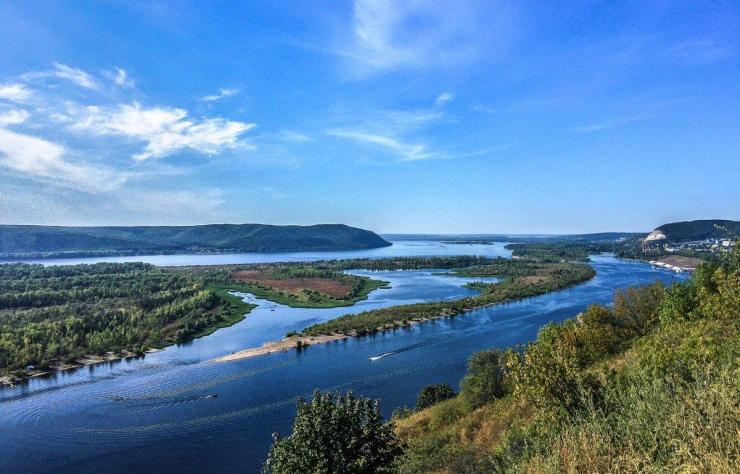
The length of the Volga is 3,531 km and it starts in the Valdai Hills (shown above) in central Russia and flows into the Caspian Sea. The river is regarded as a symbol of Russia and is referred to as the Mother of the Nation.
Courtesy of Вячеслав Григоренко:
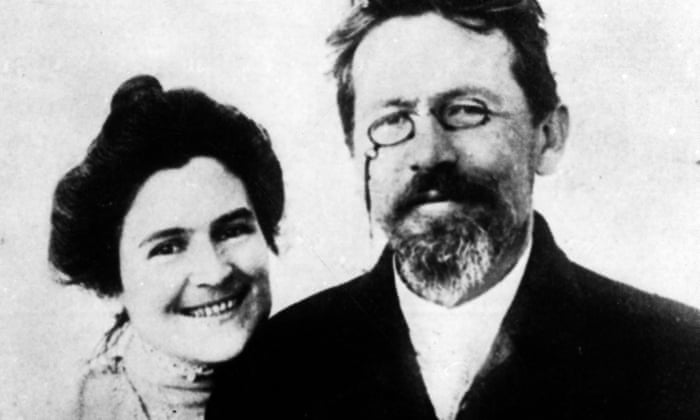
In 1901 Chekhov took a cruise on the Volga for his honeymoon with his wife Olga Knipper. She was the actress for whom he wrote The Cherry Orchard. At that time he was already suffering from consumption and was prescribed as a cure, kumys. It was known to all steppe nomads as fermented mare’s milk and is even mentioned in Homer’s Iliad.
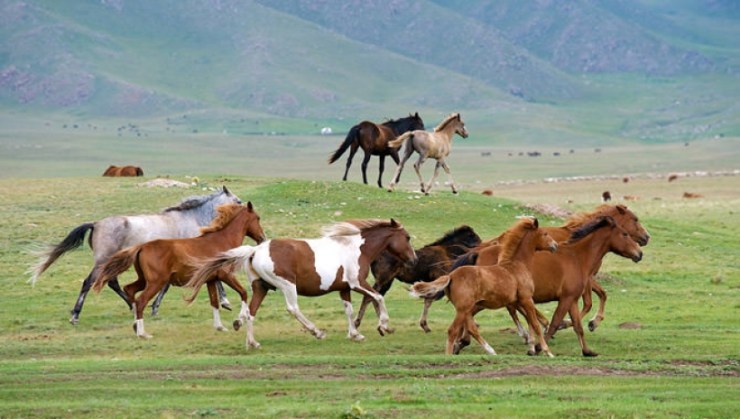
Excerpt from “In the Steppes of Central Asia” by Alexander Borodin (courtesy of Gilda Tabarez):
Along the Volga, there are situated several great towns and cities, among them the most important city Volgograd.
Timelapse of Volgograd (courtesy of TZRROTORFans):
The great city, Volgograd, previously known as Stalingrad, was built by Tsar Peter the Great in 1706. Famous for its magnificent buildings created in marble and named a Hero City after the unsuccessful siege by Germans during the Second World War, it was a favourite place of Catherine the Great. She created the spectacular art museum, the Hermitage, full of great paintings, and other works of art.
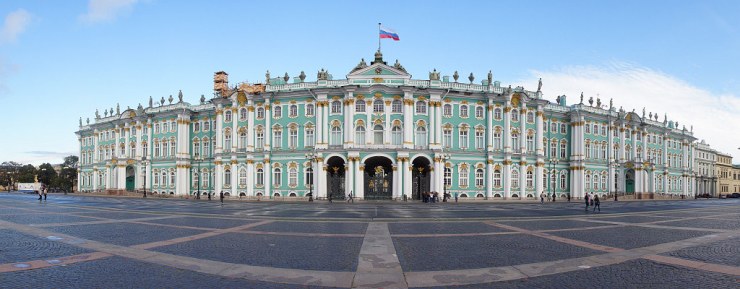
The Hermitage was created by Catherine the Great after she bought a vast collection of paintings from the Berlin merchant Johann Emst Gotzkowsky. The anniversary of its founding is on 7th December, St. Catherine’s Day. The Winter Palace is part of the museum. The Hermitage is the second-largest art museum in the world.
The Hermitage Cats (courtesy of Showcase):

The story behind Europe’s tallest statue, The Motherland Calls (courtesy of National Geographic):
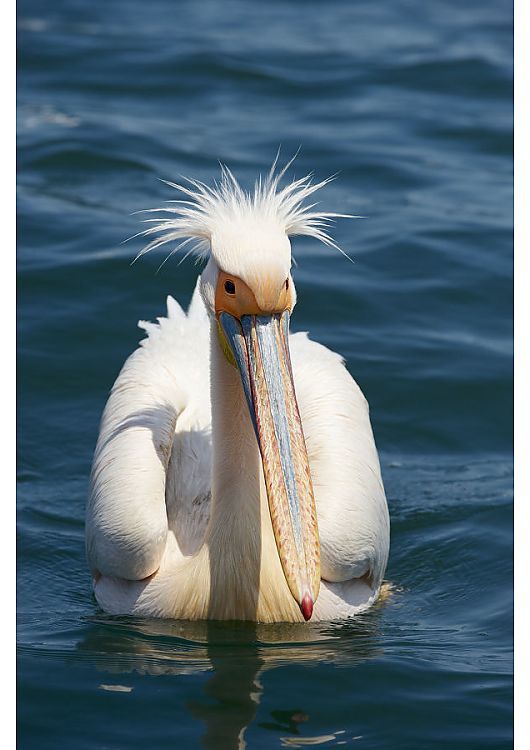
The only place in Russia where pelicans, flamingos, and lotuses can be seen is the river Volga. Like most great rivers, the Volga has inspired many Russian folk songs. One of them is popular – ‘Down the River Mother Volga’ (courtesy of Nigel Fowler Sutton):
Others include ‘Song about Volga River’, written by Leonid Kharitonov, and the earlier introduced ‘The Song of the Volga Boatmen’ sang by the burlaks or barge-haulers.

Poets were also influenced by the beauty and magnificence of Volga. The 19th-century Russian poet Nikolai Nekrasov wrote:
“I’ve changed a lot,
but you are the same,
so light, so majestic,
as you used to be.”
The poet Edna Dean Proctor in her admiration of the Volga, wrote:
“And still we kept the Volga’s tide,
The Volga rolling grey and wild,
While the gulls of the Caspian over it flew,
A flash of silver and jet in the sun.”
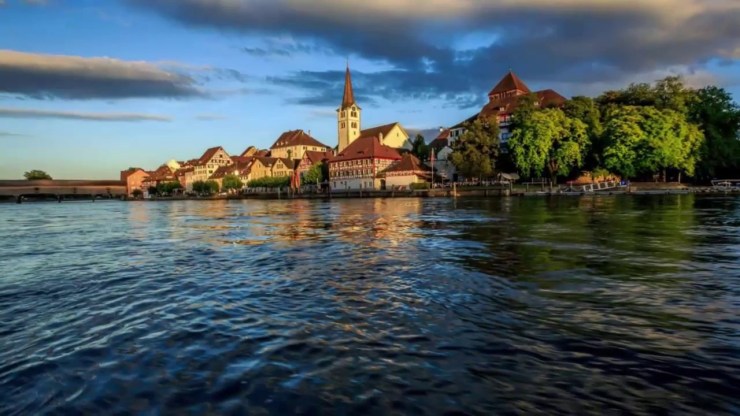
“Piano Concerto No. 1 in B-flat Minor Op. 23 2.” by Tchaikovsky, performed by Martha Argerich and Berliner Philharmoniker:
The great Russian poet and translator, Constantine Balmont summed up the significance of the Volga:
“Water is a mirror of beauty, ever creating in our inexhaustible Universe, and glory to that country that has found a mighty river for its face. There is no Egypt without the Nile, there is no India without the Ganges; Russia is among the greatest and most beautiful countries because it has the Volga.”
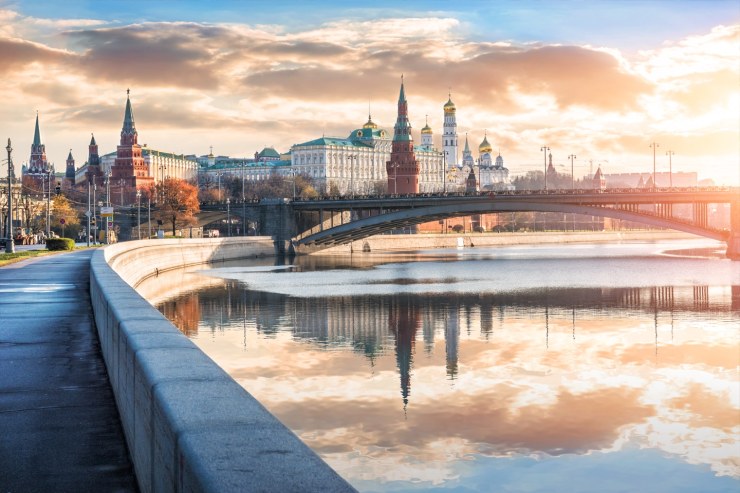
“Wolgalied” (Volga Song) performed by Andre Rieu (courtesy of Sergei Egorov):


If the Volga River is free, it maybe the only thing in Russia that is.
LikeLike
Thank you, Pat, for the thoughtful comments, which are greatly appreciated!
Joanna
LikeLiked by 1 person
I never knew much about this river before. Thanks for another fine essay about great rivers.
LikeLike
Thank you, Neil, for the wonderful comments, which I love and appreciate!
Joanna
LikeLiked by 1 person
A beautiful river and a real working river Joanna. I am not sure all Russians would consider themselves free right now. Have a nice evening. Allan
LikeLike
Thank you, Allan, for the thoughtful comments, which are greatly appreciated!
Joanna
LikeLiked by 1 person
Wonderful, Joanna. I find Russian choral singing very appealing. It has such a special sound. If there was one place I could chose to see, it might well be the Steppes of Central Asia as I always yearned to go there. And I would love to have seen the Hermitage and those great cities. Of course you know I love the beauty of winter too, so this was most enjoyable for me! Thank you.
LikeLike
Thank you so much, Carolyn, for the wonderful comments, which I love and greatly appreciate!
Joanna
LikeLike
Thank you for sharing the story of your great-grandfather. Although the information about the river was fascinating on its own, your family’s connections to it made it more so.
LikeLike
Thank you so much, Diana, for the wonderful comments, which I love and very much appreciate!
Joanna
LikeLiked by 1 person
As I watched and listened to this beautiful presentation, I thought of my two Russian children and all the hardships they experienced when they were very young. They were rescued by kind workers in the orphanage.
I read your account of your great grandfather, and I thought of my grandfather working in steel mills in Pennsylvania as a young man. The video of the steel mill was spectacular.
The monuments reminded me of a whole lost generation of young Russian men who died fighting in World War II.
I thoughtof my late husband’s grandmother who came through Ellis Island from Belarus at the age of two. She lived to be 102 years old, and was one of the most positive people I ever met.
My late husband’s brother married a Russian woman. Their personable and extremely bright son is now in college preparing to do great things.
The music, impressionistic art, and heroic statues speak to me of a people with a lot of heart and soul. Much of their history is tragic, but I admire the Russians I know. Thank you, Joanna, for this beautiful and informative post. 💕
LikeLiked by 2 people
P.S. I sent this post to my children. My son would like to visit Russia, but I am not sure now would be the best time. This is surely a good substitute for now!
LikeLike
Thank you so much, dear Cheryl, for the wonderfully interesting comments, which I love and greatly appreciate! Your fascinating words made my day!
Joanna x
LikeLike
Thank you, dear Cheryl, for being so very kind!
Joanna x
LikeLike
Nature, history, geography, politics…wow, an amalgamation of all! Good job, Joanna!
LikeLike
Thank you, Indira, for the wonderful comments, which are very much appreciated!
Joanna
LikeLiked by 1 person
Dear Joanna,
Your beautiful presentation on Mother Volga was deeply moving and rich with history, music, and human emotion.
The story of your great-grandfather, the steelworks, and the enduring spirit of the Russian people added such warmth and depth to the post. The videos, poetry, and cultural reflections made it feel like a journey through the soul of Russia itself. Thank you, Joanna, for sharing such an inspiring and heartfelt tribute to this magnificent river.
LikeLiked by 1 person
Great read Joanna!
LikeLike
Thank you so much, dear Vijay, for the wonderful comments, which I love and deeply appreciate! Your kind words lifted my spirit!
Joanna
LikeLiked by 1 person
Thank you, Jyothi, for the kind comment, which is greatly appreciated!
Joanna
LikeLike
Thank you so much, Joanna, for yet another wonderful and soulful post on the Volga. I could deeply relate to it, for just as the Ganges is revered in India, the Volga too is regarded as the mother of the nation.
It is fascinating how rivers become carriers of culture, memory, and identity. The Volga has inspired countless folk songs, and melodies such as Down the River Volga and The Volga Boatmen are truly mesmerising in their depth and emotion.
What made this post even more special was the personal touch through the inspiring story of your great-grandfather, Cazimir. You are truly fortunate to inherit such a rich family legacy.
I was captivated by the way you described the intricacies of the iron workshop with such clarity and detail. The role of the wooden rod was particularly astonishing to learn about. And above all, I loved your comparison of the sounds of the rolling mills to poetry; it was both unique and profoundly evocative.
It was also delightful to know that the Hermitage and the Winter Palace are also in Volgograd, as I had visited them in St. Petersburg. It is indeed a pity that I could not explore other parts of Russia, especially Volvograd.
Like all your posts, this one too was highly informative, engaging, and full of learning. Thank you once again, Joanna, for the sincere effort and time you invest in collecting, organising, and thoughtfully integrating audio, videos, and images to present everything in such a lucid and captivating manner.
LikeLike
Thank you so much, Kaushal, for the wonderfully analytical comments, which I love and deeply appreciate! As always, your kind words make me very happy!
Joanna
LikeLiked by 1 person
It’s truly my pleasure, Joanna. You’re always welcome. Have a great weekend!
LikeLike
Thank you, Kaushal!
Joanna
LikeLiked by 1 person
Another post with exceptional breadth and depth, Joanna. I so enjoy the blend of art, music, geography, and history. Who wrote the material about your great grandfather Cazimir?
The story of the Hermitage cats was charming. I wonder, though, about their ‘succession” processes. Do you know if they’re bred there–and if so, do all the kittens remain?
Such an interesting topic, but of course, as you’ve shown, the Volga is a character and force as well as a river.
LikeLike
Thank you, Annie, for the wonderful comments, which I greatly appreciate! I wrote the text about Kazimir’s experience based on his letters. I don’t know about today’s dealings with the cats.
Joanna x
LikeLiked by 1 person
An incredible tapestry of history, music, and soul. From Chekhov and Borodin to the sheer power of the Volga, you’ve perfectly captured why this river is the face of a nation. Truly magnificent.
LikeLiked by 1 person
Thank you so much, dear Luisa, for the wonderful comments, which I love and greatly appreciate!
Joanna x
LikeLiked by 1 person
Such a wonderful post, dear Joanna! I’m really enjoying your series on rivers! Oh and the delightful cats…
A perfect way to spend my Sunday morning!
With kindest regards,
Sharon 💕
LikeLike
Thank you, dear Sharon, for the wonderful comments, which I love and greatly appreciate!
Joanna x
LikeLiked by 1 person
You are very welcome, Joanna! X
LikeLike
Thank you, Sharon, for being so kind!
Joanna x
LikeLiked by 1 person
🥰
LikeLike
You are so very welcome my dear Joanna!
It was my pleasure as always!
LikeLike
Thank you, dear Luisa!
Joanna x
LikeLiked by 1 person
What a fun bit of history and your personal experience with Volga and your grandfather living there and his career as an engineer. So rich with history, beautiful photos, quotes and songs the way you do so well. Thanks for sharing your light and heart always💕
LikeLike
Thank you, dear Cindy, for the wonderful comments, which I love and greatly appreciate!
Joanna x
LikeLike
Joanna, this is so rich. The moment he watches the pour for the first time – Poetry really does show up in the strangest, most unexpected places.
Also so much life packed into one river’s stretch. Thank you for always bringing so much warmth and care to these posts, Joanna💕
LikeLiked by 1 person
Thank you so much, Ritish, for the wonderful comments, which I like very much and deeply appreciate!
Joanna
LikeLiked by 1 person
Excellent article, Joanna. What a beautiful journey through history, nature, and family memories.
The Volga appears as a river full of life, inspiration, and culture that has shaped generations.
Thank you for sharing such an interesting and moving story.
Have a wonderful day.
LikeLike
Thank you, Lincol, for the wonderful comments, which are very much appreciated!
Joanna
LikeLike
Dhasan River is one of the important rivers of central India and serves as a right-bank tributary of the Betwa River. Flowing through the Bundelkhand region of Madhya Pradesh and Uttar Pradesh, it is among the major northeast-flowing tributaries of the Yamuna River in the rain-deficient areas of central India. The river has played a crucial role in shaping the region’s drainage system, supporting agriculture, and sustaining local communities.
https://www.indianetzone.com/dhasan_river_indian_river
LikeLike