
The nearer a man comes to a calm mind, the closer he is to strength.
Marcus Aurelius
“I’ll Find My Way Home” by Jon & Vangelis (courtesy of Jon Anderson Official):
The differences between 20th-century inventions and those of the preceding thousands of years are connected with the profound changes that have occurred in people’s mentalities. From the Industrial Revolution until around 1960, scientists, technicians, inventors, and the public all entertained the conviction, that science and technology were always at the service of man and of society. Inventions, all inventions, could therefore be beneficial to humanity, including the invention of nuclear fission, which could provide cheap energy. As it turned out, the technological packages which were exported to the developing countries, did not produce the expected benefits or rarely benefited the whole population.
The Aswan Dam below caused unexpected environmental problems.

And finally, the undeniably troubling feature is the unpredictability of science. We can see it in the case of finding a solution to certain problems like cancer, where it is still obvious that it is fate which calls the tune. The discovery that some genes are linked to various types of cancer leads to a change in research direction – it would have to be a correction of the defective gene. Let us look to the future in hope, what wonderful discovery could be just around the corner.

JUAN DE LA CIERVA
21 September 1895 – 9 December 1935
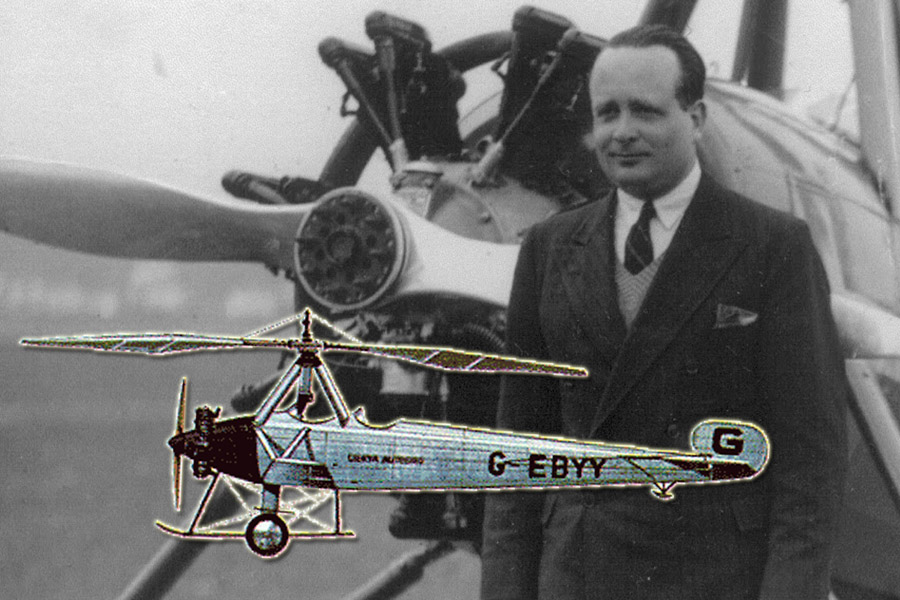
A strange aircraft took to the air in 1923. It was the autogyro, an aeroplane with both a propeller and a rotor, invented by a Spanish engineer, Juan de la Cierva. Today, the autogyro is only flown by enthusiasts, having been superseded by the more manoeuvrable helicopter. The most important feature of helicopter design, however, which are the complicated mechanics at the hub of the rotor, was established in Cierva’s autogyros.
Courtesy of NBC News:
“You Only Live Twice” by John Barry (courtesy of Mother of Sorrows):
Murcia, Spain

Courtesy of Михаил Шварц ispaniagid ru:
The estate of Juan de la Cierva in Santo Angel, Murcia

“Recuerdos de la Alhambra” by Francisco Tárrega, performed by John Williams:
Juan de la Cierva was born to a wealthy family in Murcia, Spain. As a boy, he was inspired by the early pioneers of flight, and he became determined to be an aviator himself. In 1911, he went to study civil engineering in Madrid.
University in Madrid
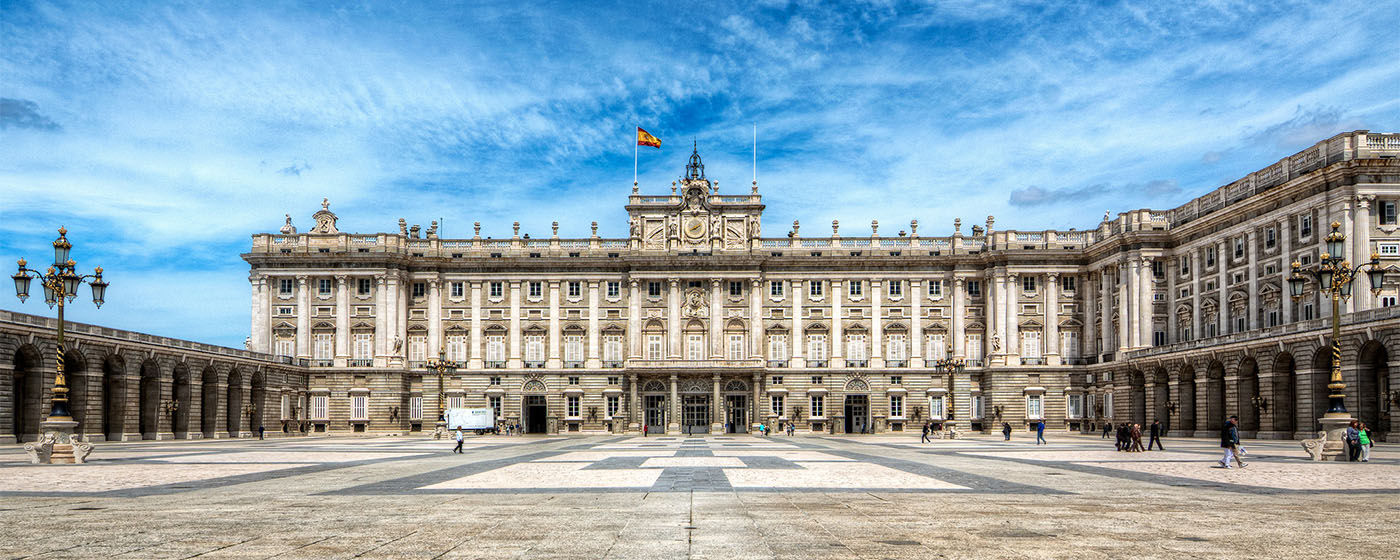
That year, he and two friends experimented with gliders and formed an aviation company. In 1912, Cierva built the first aeroplane in Spain, but during the following few years, two of his aeroplanes crashed after stalling at low speed.
Madrid, Spain
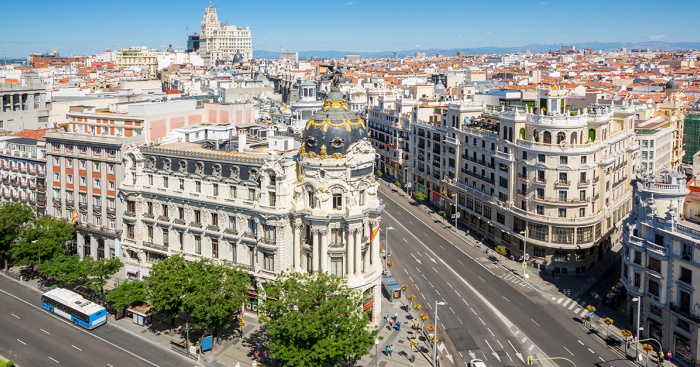
Courtesy of expediasea:
As a result, he became determined to build an aeroplane that could not stall. He came up with the autogyro: an aeroplane with a propeller at the front and rotating wings – rotor blades – at the top. The rotor blades would always be moving fast relative to the air and producing a lift, even when the autogyro was moving slowly.

Other inventors had experimented with rotors as early as 1907, but with little success. Cierva decided to leave his rotors unpowered so that they would windmill or ‘autorotate’ as the autogyro moved through the air. This approach had added benefit: if the engine cut out, the autogyro would not crash to the ground. Instead, it would fall slowly, like a spinning sycamore seed case. In 1920, Cierva patented his idea, and tested small models of his autogyro concept. The models worked well, but when he scaled his design, he found it had a tendency to flip over. He soon realised why. As it turns, each rotor blade spends half the time moving forwards – into the oncoming air – and half the time moving backwards. This means that the advancing blade is moving through the air faster than the receding blade and so the lift force is greater on one side than the other.

Cierva looked back at his earlier models, and realised that the smaller rotor blades were flexible. As those rotors turned, the blades twisted slightly, automatically adjusting to the changing airspeed during each rotation, and producing constant lift. Cierva set about mimicking this phenomenon in his larger, metal blades. To do this, he incorporated a ‘flapping hinge’ where each rotor blade met the rotor hub.
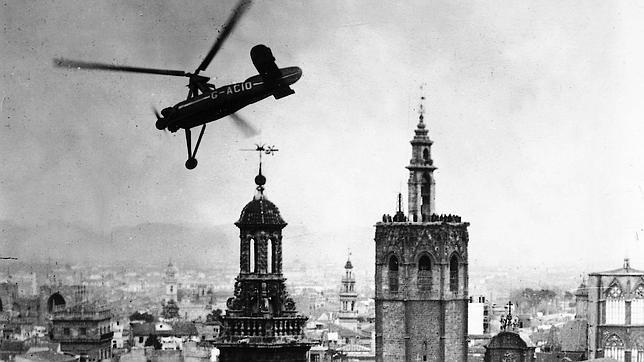
In January 1923, Cierva’s first successful prototype, the C4, flew 180 metres (200 yards) at an airfield near Madrid. This was the first stable flight of a rotating-wing aircraft in history, and was quickly followed by many longer, more sustained flights. In 1925, Cierva demonstrated autogyro C6 in England and, with the support of an investor, formed the Cierva Autogiro Company. Three years later, Cierva flew his C8 autogyro from England to France. The C8 featured a ‘fully’ articulated rotor’, with blades that could flex backwards to absorb the drag force (air resistance), which had previously caused some blades to snap.
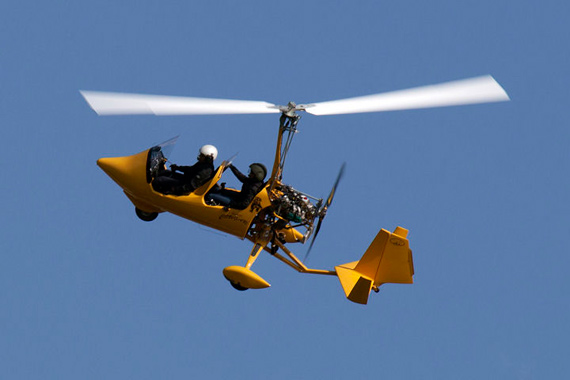
More improvements followed, including a system to drive the rotor, just at take-off, so that the autogyro could rise vertically. The most obvious change came in 1933, when Cierva built autogyros with no wings and no tail. Up to this point, autogyros were controlled in the same way as fixed-wing aircraft: using moveable flaps on the wings and tail. This meant that the pilot all but lost control at low speeds, so Cierva decided to find a way to control his autogyros by tilting the rotor. To do this, he had to design a complicated system of hinges and control levers around his rotor hub, and what he achieved formed the basis of all future helicopter rotors.
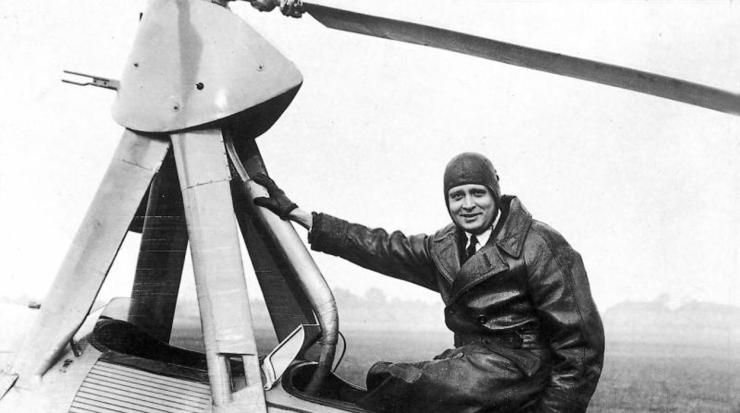
Ironically, after devoting his career to avoiding the problems of stalling, Cierva was killed at Croydon airport, London, a passenger aboard a conventional fixed-wing aeroplane that stalled and crashed into a building just after take-off.

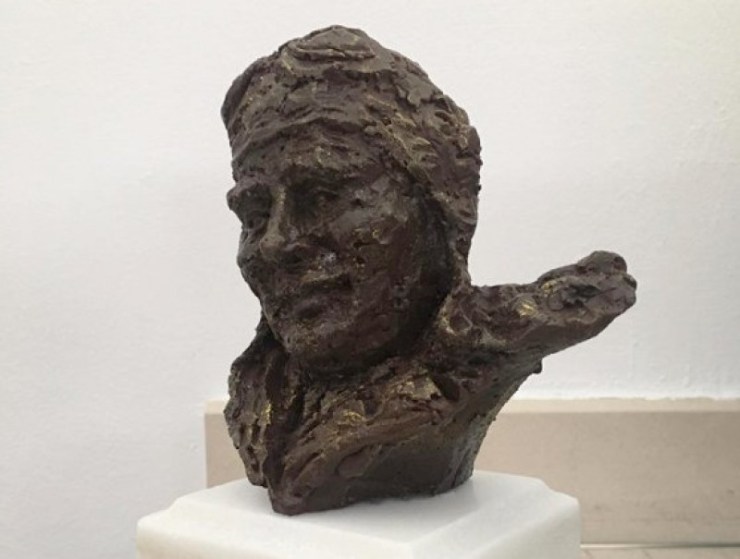
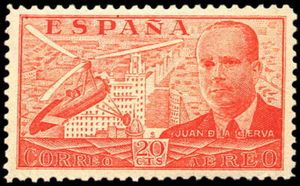
A monument to Juan de la Cierva
“Hidden Forces” by Richard Harvey:
A Focke-Wulf Fw-61, the first fully controllable helicopter, first flew in 1937. A German engineer Heinrich Focke (1890-1979) designed this after working on Cierva autogyros. The pilot was German aviator Hanna Reitsch (1912-1979), who set many records, including being the first woman to fly helicopters.

The autogyro invented by Juan de la Cierva and later developed by Russian engineer Igor Bensen ( 1917-2000) was effective, safe, and moved through the air almost as fast as some aeroplanes. Autogyros found several uses during the Second World War, including reconnaissance and even the bombing of submarines. But autogyros could not hover or perform truly vertical landings and take-offs so eventually helicopters gained the edge once they become practical.


Above is Bensen flying his helicopters
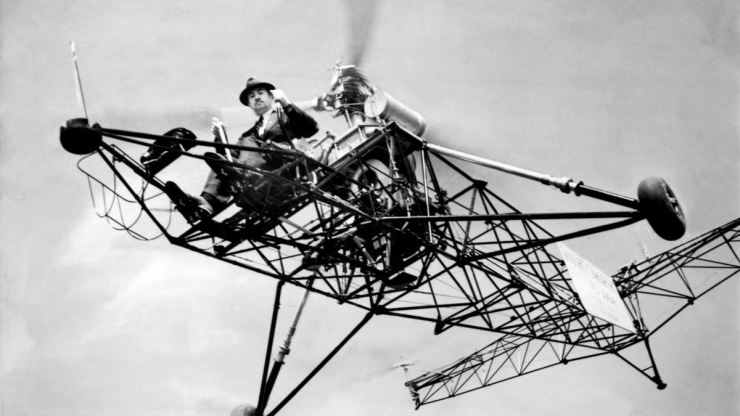
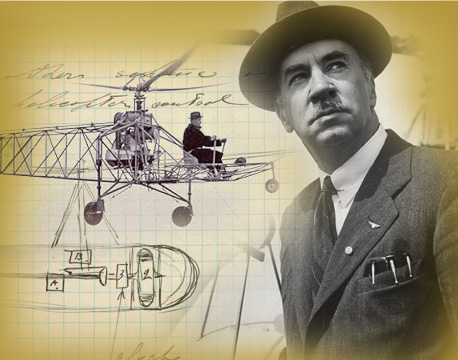
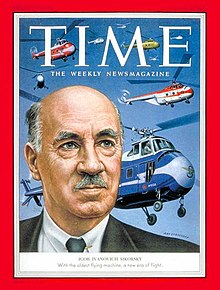
It was the Russian-American aviation pioneer Igor Sikorsky (1889-1972) who established the blueprint for the modern helicopter. Sikorsky built his first helicopter in 1909 but as with other inventors’ attempts at the time, it did not work. After working on fixed-wing aircraft during the 1910s and 1920s, Sikorsky eventually produced one of the world’s first successful helicopters, the VS-300, in 1939. He went on to design the first mass-produced helicopter, the Sikorsky R-4, in 1942. The overall layout of most helicopters has changed little since then.
Courtesy of CBS Sunday Morning:
Below: Igor Sikorsky flying his VS-300 helicopter.
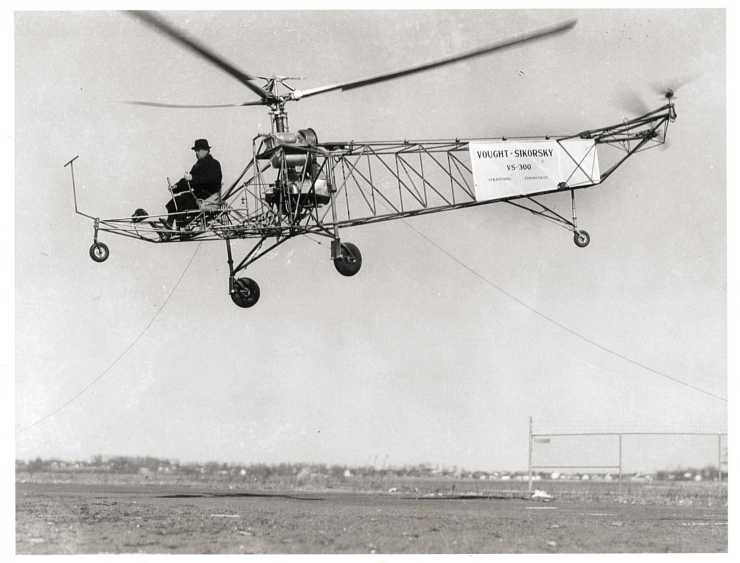
It was the first helicopter to have a tail rotor; until then, helicopters had two counter-rotating main rotors to keep them stable in flight. Both designs are still common today.
After writing all this, I can only say – I would rather have any old bus, please!
GERTRUDE ELION
23 January 1918 – 21 February 1999

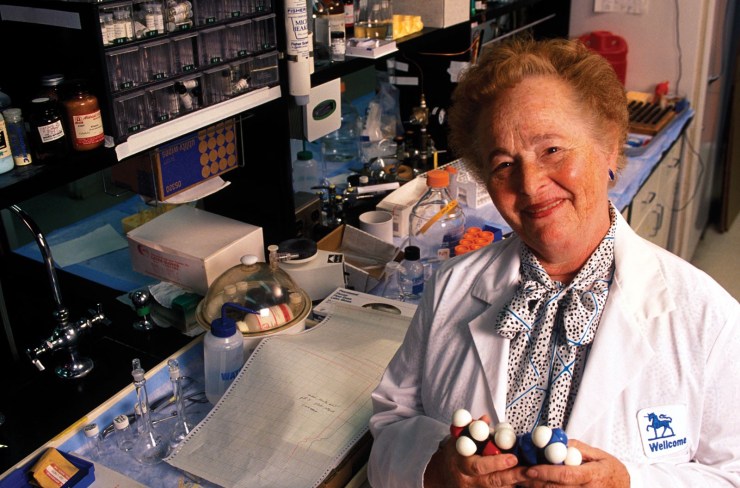
The inventions of the American biochemist Gertrude Elion are far too small to see. They are works of engineering but at the molecular level: Elion was a pioneer of chemotherapy, the medicines she developed have brought hope to millions of people with bacterial and viral infections and cancer.
Times Square, vintage New York

“Empire State of Mind” by Alicia Keys (courtesy of Byron Calatt):
Gertrude Elion was born in New York, USA. Her mother was from Russia, her father from Lithuania. As a child, ‘Trudy’ had an insatiable desire to read and learn, and she took an interest in all subjects. It was the fact that her grandfather had died of leukaemia that fostered her interest in science. At the age of 15, she began studying chemistry at Hunter College, New York, in the hope that she might one day develop medicines to cure or prevent the disease that had claimed her grandfather.

The campus at Hunter College was for women only, so Elion was used to women studying science. However, in the world outside college, men still dominated, and despite her outstanding academic record, Elion found it impossible to get funding to take on a PhD. By doing several poorly paid jobs, she managed to save up enough money to enrol at night school, and she received a masters degree in 1941, but never received a PhD. That year, many men were out of the country fighting on the Second World War, so some laboratories were employing women.

In 1944, after several years of working in unchallenging jobs in the chemical industry, Elion began work as a senior research chemist in the New York laboratory of the pharmaceuticals company Burroughs Wellcome.
Burroughs Wellcome, New York
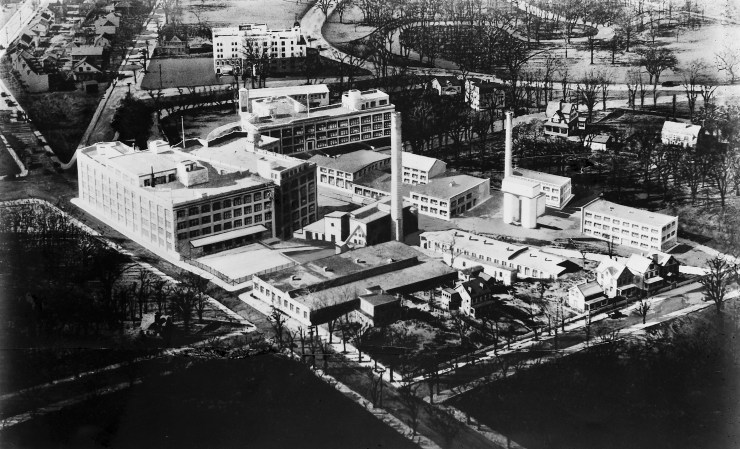
There she worked as an assistant to an American doctor and chemist George Hitchings (1905-1998), who encouraged her to learn as much as possible and to follow her own lines of enquiry.

Courtesy of SciShow:
Although Elion had studied chemistry, her quest to produce medicines had led her to biochemistry (the chemistry of living things), pharmacology (the study of how drugs work), and virology (the study of viruses). By the 1940s, biochemists had discovered that a chemical called DNA (deoxyribonucleic acid) present in the cell nucleus was involved in cell replication. They had worked out the constituent part of DNA, but its double helix structure would not be worked out until 1953.
The most important constituents are small molecules called purines and pyrimidines, which join together in pairs along the length of the much larger DNA molecule. Elion wondered whether altering these molecules might somehow confuse a virus or bacterium or stop the uncontrolled reproduction of cancer cells. She and Hitchings set about engineering new ones.
3D model of 6-Mercaptopurine
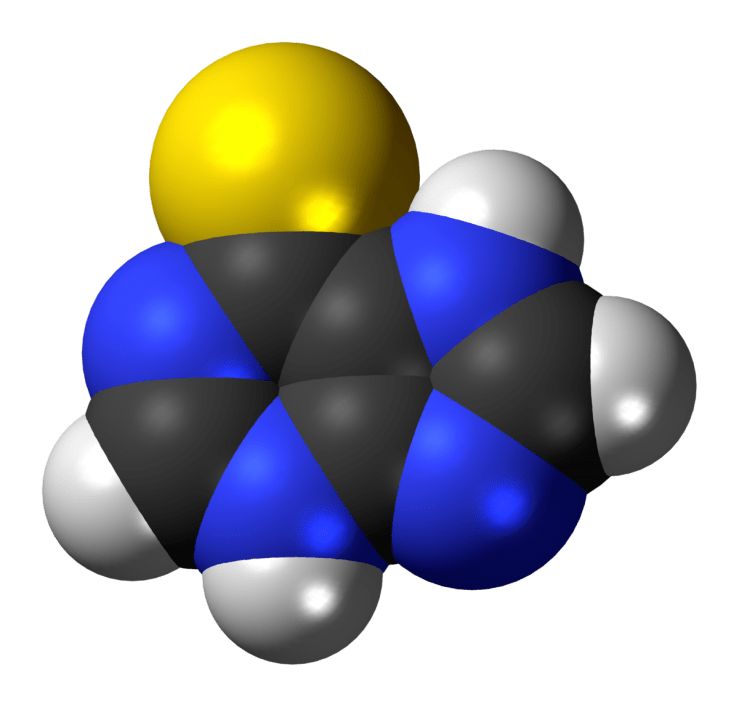
Elion and Hitchings made their first breakthrough in 1948. One of their purines, 2,6-diaminopurine, was found to restrict the reproduction of bacteria and to slow the growth of tumours in mice. Over the next few years, Elion tested more than 100 other engineered purines. In 1951, trials suggested that one of them, 6-mercaptopurine (6-MP), could fight leukaemia. At the time, there was little hope for patients with leukaemia, most of whom were children and most of whom died within a few months of diagnosis. When 6-MP was tested on humans, it was found to increase life expectancy and some children even went into full remission. The drug is still used today in anti-cancer chemotherapy.
The effects of Malaria

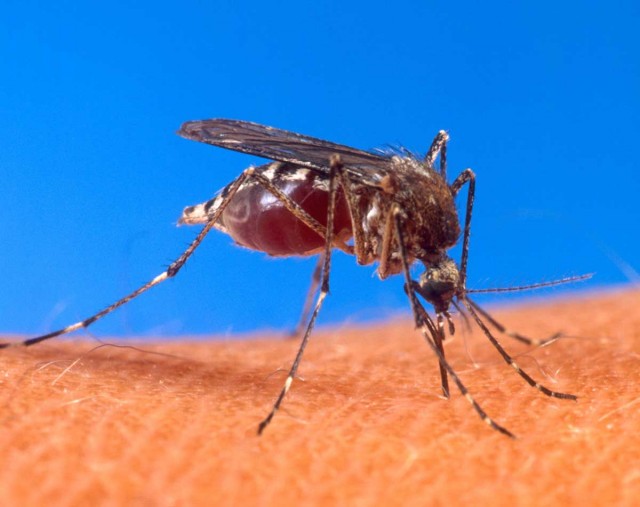
With increasing knowledge of biochemical reactions at the heart of cell biology, Elion went on to synthesise several medicines effective against a range of bacterial diseases, including malaria, meningitis and septicaemia. In 1958, she produced the first medicine that could suppress the immune system, making organ transplants safer. Since the development of immunosuppressive drugs – such as azathioprine, developed by Elion – there was no need for the donor and recipient to be related to avoid rejection of the organ by the recipient’s body.
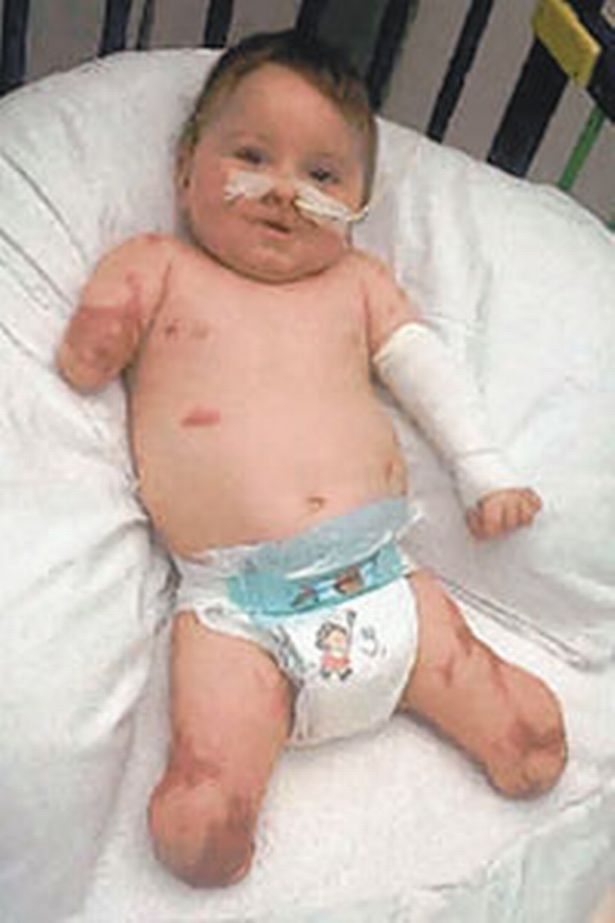
A meningitis victim
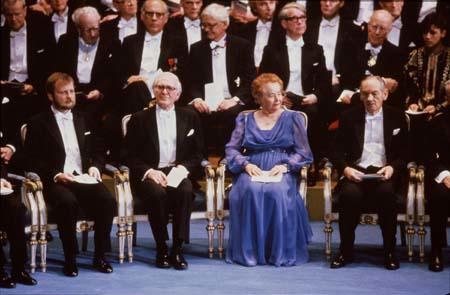
In 1981, after more than a decade’s work, she created the first anti-viral drug, acyclovir, which is the active substance in anti-herpes medicine such as Zovirax and Valtrex. Gertrude Elion received many awards for her groundbreaking work in chemotherapy, including, in 1988, the Nobel Prize in Physiology or Medicine. She shared the prize with George Hitchings and Scottish pharmacologist James Black for ‘discoveries of important principles for drug treatment.’ She commented, “The Nobel Prize is fine, but the drugs I’ve developed are rewards in themselves.”
Gertrude Elion surrounded by all the other Nobel prize winners that year
Herpes simplex virus

In 1958, an American doctor William Dameshek (1900-1969) suggested that Gertrude Elion’s anti-leukaemia drug 6-MP might be effective at suppressing the immune system. Damashek’s rationale was that the white blood cells responsible for the immune response were similar to the white blood cells involved in leukaemia.
“The Wildflower Meadow” from “The Highgrove Suite” by Patrick Hawes, performed by Claire Jones and Philharmonia Orchestra:
Professor Sir Roy Calne

In 1960, the English transplant pioneer Roy Calne tested 6-MP and found it to be effective. Gertrude Elion suggested that the related compound azathioprine might be more effective, and Calne conducted promising trials with the new drug in 1961. The first successful kidney transplant between unrelated humans was performed soon after, using azathioprine in combination with corticosteroids. This drug became the mainstay of transplant surgery until it was replaced by a more powerful drug, cyclosporine, in 1978.
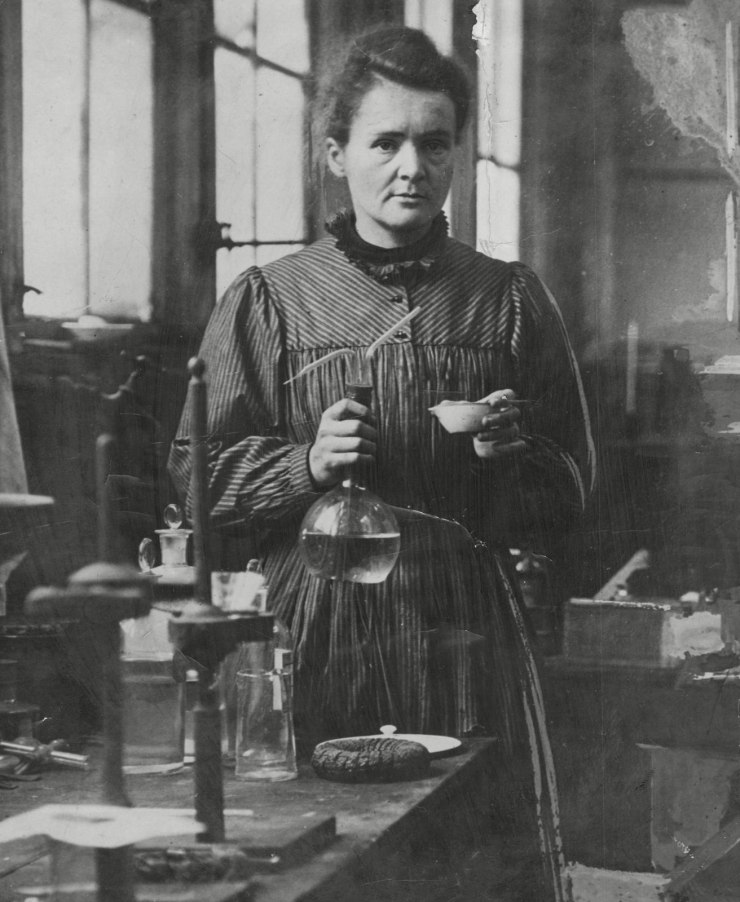
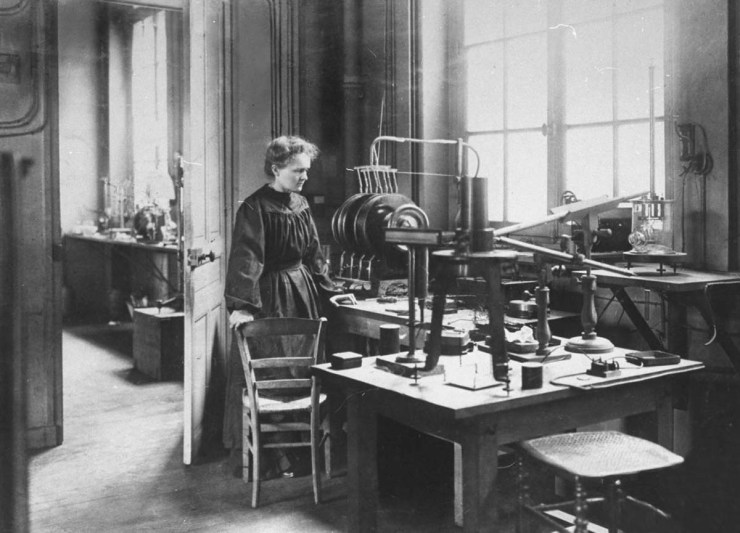
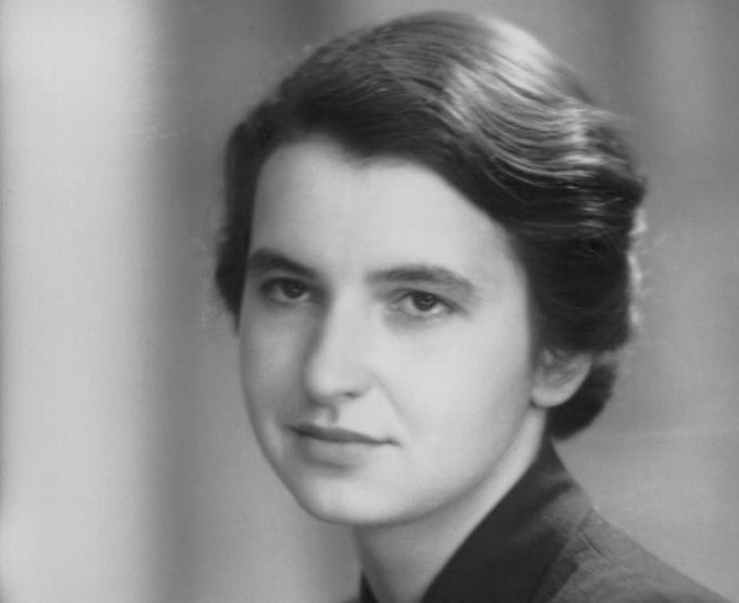
I have written about Gertrude Elion not only because she was an inventor in her own right but because previously all the geniuses I wrote about were men. It was important to include here the women who through their ability helped to change our world for the better. I have to mention also Marie Curie who received two Nobel Prizes for her work in radiation, and discovered polonium and radium, and Rosalind Franklin, who died before her work was acknowledged by the Nobel Prize committee as the rules do not permit the prize to be awarded posthumously. As she worked with Watson and Crick as a team, they did receive the Nobel Prize award.
Courtesy of Ted-Ed:
Marie Curie

Courtesy of TED-Ed:
Rosalind Franklin

Francis Crick and James Watson and the model of the structure of DNA

Courtesy of Fast Company:

 naturetails
Love this great opening song, Joanna and your photos and the one of the baby takes my breathe away. I’ll be back while I enjoy the many discoveries and gifts you have shared.. You know me.. I’ll need time to peruse it all in good time.. Thanks for your gifts you share in curating such great pieces 💕
LikeLiked by 1 person
Thank you, Cindy, for your comments to be! Take your time!
Joanna x
LikeLiked by 2 people
Simply wow, Joanna. Things simply built on one another.
LikeLiked by 1 person
Thank you, Pat, for your wonderful comments, which are greatly appreciated!
Joanna
LikeLiked by 1 person
Very welcome, Joanna.
LikeLiked by 1 person
Thank you!
Joanna
LikeLiked by 1 person
Awesome, exhaustive information! Great job, Joanna…the series is a good reference material for learners !
LikeLike
Dear Joanna,
Your piece reads like a thoughtful journey through science, humanity, and the quiet tension between hope and unpredictability. What stands out most is how you weave together technological progress with deeply human consequences both its triumphs and its unintended costs.
The opening reflection, anchored in Marcus Aurelius’ idea of calm strength, sets a philosophical tone that carries beautifully through the narrative. You remind us that while science advances outwardly, its true direction is shaped by the inner state of humanity. That contrast between intellectual progress and moral readiness is subtle but powerful.
Your discussion of the Industrial Revolution and its legacy is particularly compelling. The early optimism that technology would universally benefit society feels almost innocent in hindsight. The example of the Aswan Dam effectively grounds that idea, showing how even well-intentioned innovation can ripple into unforeseen consequences.
The narrative of Juan de la Cierva is engaging and almost poetic in its irony devoting a life to preventing stalling, only to be lost to it. His invention of the autogyro is presented not just as a technical milestone, but as a stepping stone in a larger continuum that leads to pioneers like Igor Sikorsky. It reflects a deeper truth: progress is rarely final; it is inherited, refined, and often surpassed.
Equally moving is your portrayal of Gertrude Elion. Her story shifts the focus from machines to molecules, from visible inventions to invisible revolutions. The emotional anchor her grandfather’s illness adds a human urgency to her scientific achievements. Her work reminds us that some of the greatest inventions are not seen in the sky, but felt in extended life, in hope restored.
Your concluding acknowledgment of pioneers like Marie Curie and Rosalind Franklin adds both balance and justice to the narrative, emphasizing that the story of science is also a story of recognition sometimes delayed, sometimes denied.
What lingers after reading is a quiet reflection: science is not a straight path of certainty, but a landscape of exploration shaped by curiosity, limitation, and chance. As you beautifully suggest, perhaps the real strength lies not in controlling outcomes, but in continuing to seek, with humility and hope.
A deeply enriching and contemplative piece.
Vijay Srivastava
LikeLike
Thank you, Indira, for the kind comments, which are very much appreciated!
Joanna
LikeLiked by 1 person
Thanks for the history of Juan de la Cierva and the autogyro. As you say, sad for him to have died in an air disaster he was working to prevent. As to the women medical pioneers, their contributions still yield benefits and those who say women have never invented anything need to start reading more. Thanks for this post. Happy Thursday Joanna. Allan
LikeLike
Thank you, dear Vijay, for the wonderfully analytical comments, which I love and deeply appreciate! Your kind words made my day!
Joanna
LikeLiked by 1 person
Thank you, Allan, for the wonderful and thoughtful comments, which I greatly appreciate!
Joanna
LikeLiked by 1 person
You have a talent for making presentations that are both interesting and entertaining. I can always count on learning while discovering new musical pieces and enjoying delightful videos. What percentage of people, I wonder, have what it takes to be an inventor or discoverer? Without funds as well as support, there is little chance for such intelligence to be harnessed. Yet the fact that those women achieved what they did in that time is a source of hope, perhaps! Thank you Joanna!
LikeLike
Thank you so much, Carolyn, for your wonderful comments, which I love and very much appreciate! You have talent for lifting my spirit!
Joanna
LikeLike
I too wouldn’t particularly want to ride in a helicopter. I too would rather ride in a bus!
Have a good day.
Neil
LikeLike
Thank you, Neil, for the wonderful comments, which I love and very much appreciated!
Joanna
LikeLiked by 1 person
Thank you, Joanna, for a post that is both informative and inpiring. You have managed to make the great discoveries of flight and medicine meaningful to someone who has little science background. I also like the fact that you recognized women pioneers who often did not receive the credit for their accomplishments that they deserved.
Cheryl
LikeLike
Thank you, Cheryl, for the wonderful comments, which I love and very much appreciate!
Joanna
LikeLiked by 1 person
You’re welcome and thanks a bunch. I will❣️
LikeLiked by 1 person
Helicopters seem a bit too dicey for me as well. Anyhow, thanks for another very interesting post and also for including female scientists. Females are still too often overlooked.
LikeLike
Thank you, Diana, for the wonderful comments, which I very much appreciate!
Joanna
LikeLiked by 1 person
Loved your very meaningful opening quote, “The nearer a man comes to a calm mind, the closer he is to strength.” by Marcus Aurelius !Your engaging narrative of Juan de la Cierva is engaging and almost poetic in its irony devoting a life to preventing stalling, only to lose his own life to it. His invention of the autogyro is presented not just as a technical milestone, but as a stepping stone in a larger continuum that leads to pioneers like Igor Sikorsky. your portrayal of Gertrude Elion is simply outstanding as her story shifts the focus from machines to molecules, from visible inventions to invisible revolutions. The emotional touch of her grandfather’s illness added human urgency to her scientific achievements !The photo of the menningitis victim is quite appealing & emmotionally charged!Thanks for your amazing post ,Joanna
LikeLike
Thank you so much, Dhirendra, for the wonderfully thoughtful comments, which I like very much and greatly appreciate!
Joanna
LikeLiked by 1 person
My pleasure, Joanna 🙏🏻
LikeLike
Thank you!
Joanna
LikeLiked by 1 person
Thank you, Joanna, for this engaging and thought-provoking post, beautifully introduced with a quote by Marcus Aurelius and your reflection on how inventions were meant to serve humanity and society. It’s remarkable how much inventors have contributed to the human race, often remaining unsung, while their work continues to evolve through the efforts of others.
As you rightly point out, the true impact of any invention depends on how we choose to use it. Take nuclear fission, for instance. It holds the potential for both constructive energy generation and devastating destruction. At the same time, we seem to have grown increasingly dependent, even servile, to certain innovations like mobile phones.
The consequences of inventions can also be unforeseen. The Aswan Dam, built to control floods and enhance agricultural productivity, ironically led to reduced soil fertility over time.
I also admire how you’ve traced the origins of innovations like the autogyro and chemotherapy, both of which have significantly advanced human well-being.
The contributions of pioneers such as Juan de la Cierva, Igor Bensen, Heinrich Focke, along with Gertrude B. Elion and George H. Hitchings, deserve lasting recognition, even if their hard works often go unnoticed.
It does feel deeply ironic that de la Cierva, who devoted his life to improving aircraft safety, lost his life in a plane crash. This brings to mind Marie Curie, whose groundbreaking work on radiation earned her Nobel Prizes, yet ultimately led to her own demise due to prolonged exposure. The story of Elion, too, is profoundly moving.
As always, your images, videos, and audio elements are exceptional. I especially appreciated YOLT, though I personally lean toward YOLO. I believe in embracing this one life fully, living for my dreams and aspirations, for who truly knows what tomorrow or another life may hold?
Thank you once again, Joanna, for your sincere effort in crafting yet another informative and inspiring post.
LikeLike
Thank you so much, Kaushal, for the wonderfully analytical comments, which I love and deeply appreciate! Your kind words made my day!
Joanna
LikeLiked by 1 person
You’re always welcome, Joanna! It’s truly a pleasure to go through your well-researched posts.
LikeLike
Thank you so much, Kaushal, for being so kind!
Joanna
LikeLiked by 1 person
Thank you, Joanna, for sharing another wonderful post that is both informative and inspiring.
You always manage to make the topics you discuss (in this article, the great discoveries in flight and medicine) understandable, even to those who know little about the subject.
LikeLike
Thank you, dear Luisa, for the wonderful comments, which I love and greatly appreciate!
Joanna
LikeLiked by 1 person
I’m really grateful for all I learn on your blog, dear Joanna! 🌹
LikeLike
Thank you, dear Luisa, but I learn from your posts, too!
Joanna
LikeLiked by 1 person
Love the opening quote, Joanna! From Cierva to Elion, it is fascinating how discoveries made by geniuses has made our life so comfortable. Thanks once again for a wonderful write.
LikeLike
Thank you, Punam, for the wonderful comments, which I love and greatly appreciate!
Joanna
LikeLiked by 1 person
My pleasure, Joanna.
LikeLike
This post shows how major scientific discoveries can change the world for the better, even if they also have unexpected consequences. It also highlights the talent and perseverance of inventors such as Juan de la Cierva and Gertrude Elion, with a special focus on the contributions of women in science.
Best regards.
LikeLike
Thank you, Lincol, for your kind comments, which are much appreciated.
Joanna
LikeLiked by 1 person
It’s always a pleasure to read you, Joanna. Your poems convey so much sensitivity and beauty. Thank you for sharing them.
LikeLike