
“We are on a minor planet of a very average star.
But we can understand the Universe.
That makes us something very special.”
Professor Stephen Hawking
Courtesy of melodysheep:

Chichen Itza, Mexico
Courtesy of Votocek Art Company:
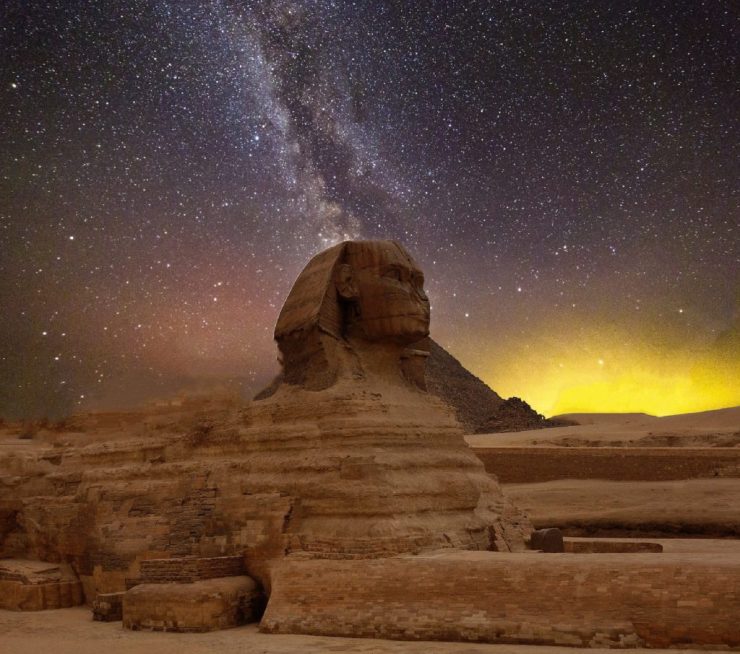
Some inventions require in their process to become collective, like the invention of photography. One of those is the invention of the telescope. It has enabled us to discover our place in the universe and to reveal the mysteries and sheer scale of deep space. From time immemorial, our eyes were drawn intuitively to the sky at night even before the Egyptians made the stars and their constellations an integral part of their life and afterlife.
“Interstellar – Main Theme” by Hans Zimmer:
Many other ancient civilisations were compelled to build complex temples using their celestial knowledge. On every part of the globe, early inhabitants worshipped the Sun, the life-giver.

Nobody is quite sure who was the first to construct a practical telescope or whose genius was the first to realise the potential of this device, until Hans Lippershey applied for a patent for this instrument.
Courtesy of SciShow:
As a postscript to this video, which dates from some years ago, the James Webb Telescope was launched on 25th December last year and will soon begin to study stars. This image illustrates the dramatic improvement in the images obtained by the James Webb Telescope compared to the now retired NASA Spitzer Space Telescope:

HANS LIPPERSHEY
1570 – September 1619
Dutch lens maker Hans Lippershey was the first to apply for a patent, in 1608. He was born in Wesel, Germany, and moved to Middleburg, in the Netherlands (then the Dutch Republic), in 1594. In the same year, he married, became a Dutch citizen, and opened a spectacle shop in the city. Little is known of his life, but what is clear is that he was the first person to apply for a patent for the telescope, which was called a ‘kijker’ (Dutch for ‘viewer’).

In September 1608, Lippershey travelled to The Hague, the political centre of the Dutch Republic, where he filed the patent application for his device. His application was denied because of the simplicity of the invention – it was really just two lenses held at a certain distance apart in a tube. However, the officials at The Hague saw the potential of Lippershey’s instrument and commissioned him to build three sets of double-telescope (i.e. binoculars).
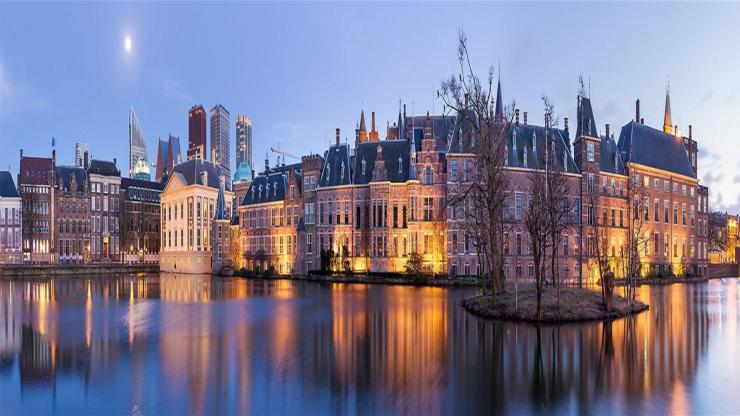
The Hague, Netherlands
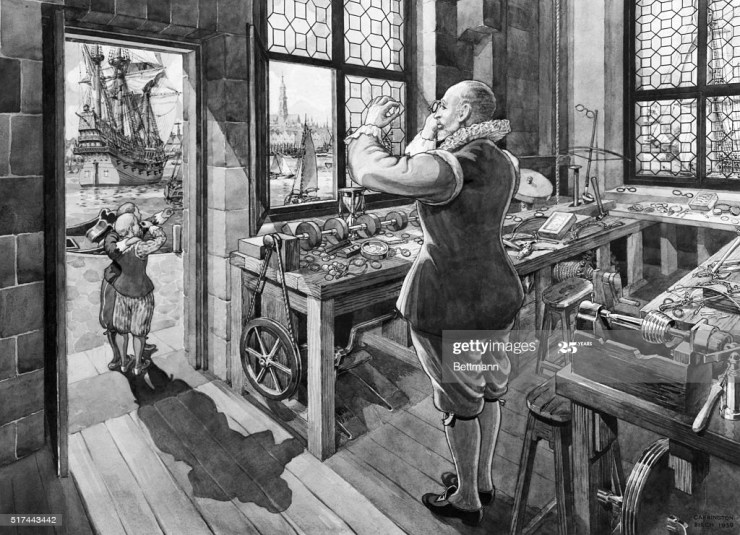
The Dutch State General paid Lippershey handsomely for his work: he received more than enough to buy the next house to his and pay to have major renovation work carried out. In his workshop, above, Hans Lippershey experimented with lenses during his invention of the telescope. The eyepiece lens magnifies the image produced by the larger, objective lens. The lens grinding machines and lathes are powered by treadles beneath the benches. He would have used a slightly different machine to make the larger, convex lens that collects the light (the objective lens).
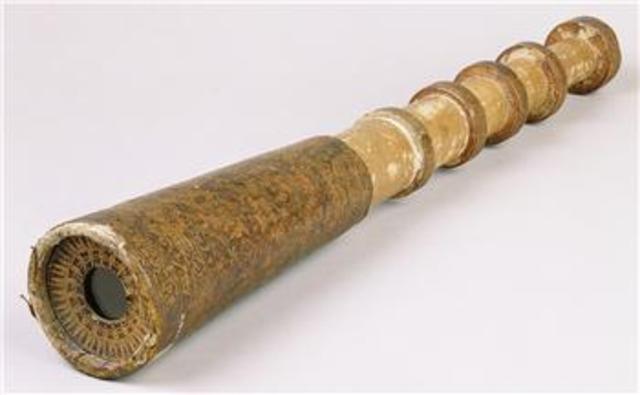
Lippershey’s early telescope
As it turned out, The State General was probably justified in refusing Lippershey a patent. Within a few weeks, another Dutch spectacle maker, Jacob Metius (1571-1630), submitted a very similar application. In 1620, yet another retrospective claim for the primacy of the invention of the telescope came to light. Zacharius Janssen (1580-1638), whose house was a few doors away from Lipperhey’s may have beaten Lippershey to it.


The earliest drawing of a telescope is a sketch in a letter by Italian scholar Giambattista della Porta (1535-1615) in 1609. Della Porta later claimed he had invented the telescope years before Lippershey, but he died before he could provide evidence of his claim. In fact, it is likely that long before Lippershey many lens makers had held two lenses in the right configuration and seen a slightly magnified image, but not realised its potential.
Any uncertainty in the story of the telescope falls away in 1609, when other people heard about the new instrument, made their own, and used it for a novel and world-changing purpose: gazing at the night sky.

The first person to note that he had gazed upward in this way was an English astronomer and mathematician Thomas Harriot (1560-1621), who made a sketch of the moon as seen through his telescope in July 26,1609.

Most famously Galileo Galilei (1564-1542) did the same, and much more, four months later. He published his monumental findings in his book Sidereus Nuncius (The Starry Messenger) in 1610. Although Lippershey was by all accounts a gifted craftsman and was the first to submit a patent application for the telescope. Galileo Galilei is the real Genius in this story. His careful and thorough observation of the moon and his discovery and observation of the moons of Jupiter were key in overturning the longstanding, dogmatic theory that the earth is the centre of the Universe.
Courtesy of Savanteum:

Galileo improved the basic telescope design and by August 1609, had managed to make his own instrument with a magnification of 8x compared to Lippershey’s instrument which could only magnify 3x. In the 1620s, he became one of the first to make biological observations with microscopes.
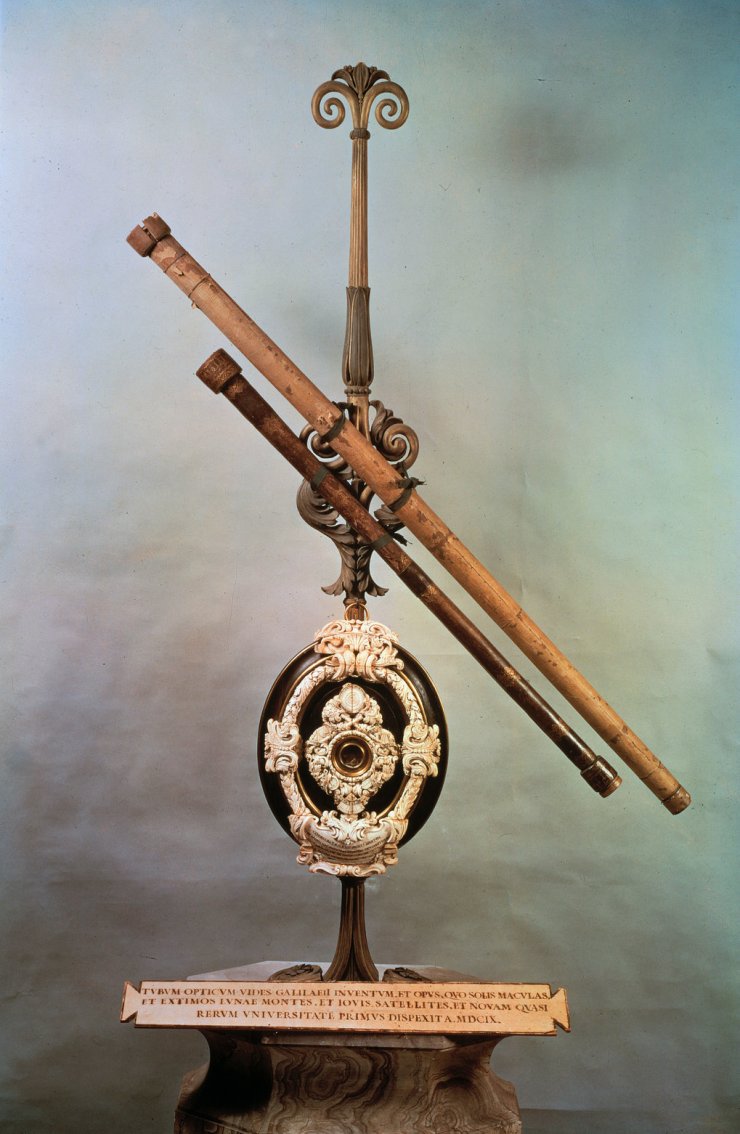
Above are Galileo’s Telescopes from the Museum of the History of Science in Florence
Galileo was a great thinker and is often called the father of physics or even the father of modern science. He was much more a pure scientist than an inventor, and although he did invent the thermometer and the geometrical compass, he did not actually invent the telescope.

Hans Lippershey is often also credited with the invention of the microscope, or to be more precise, the compound microscope (consisting of two or more lenses, rather than one). Here again, Zaccharius Janssen probably invented the device at the same time as, if not before, Lippershey. There is no patent for the microscope because it was inevitable that at some point, someone would arrange two lenses in the right way to make things look bigger.
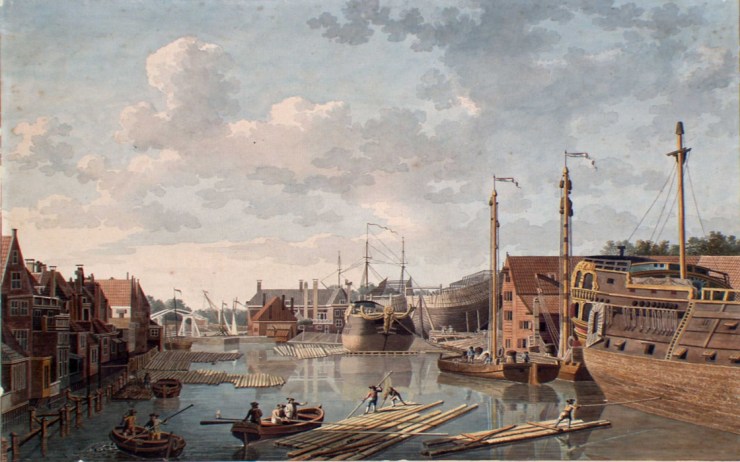
Lippershey’s and Jenssen’s home city of Middleburg was famous for its spectacle makers, thanks to its supply of fine-quality, bubble-free glass and to a superior lens-grinding technique developed in the city. Working with high-quality glass was a novelty in Northern Europe in the seventeenth century, the secret of its manufacture had been exported from Italy, which had had a monopoly on fine-quality glass since the thirteenth century. All of those lens grinders of Middleburg and the Italian glassmakers of the thirteenth century deserve credit for these wonderful, world-changing inventions.
NASA launch of Parker Solar Probe

On 12th August 2018, Nasa sent the Parker Solar Probe on a mission into space to be the first to ‘touch’ the sun. Like many people around the globe, I followed their work with great anticipation. I am not joking when I insist that I cannot die before any discovery of previous life on Mars would be confirmed. When some time ago, there was news of the discovery of possible traces of water on the Red Planet, I exclaimed spontaneously: ‘Motherland!’, which I have to admit sounds ridiculous. And yet, the miracle of life on our planet has fascinated humans for thousands of years.
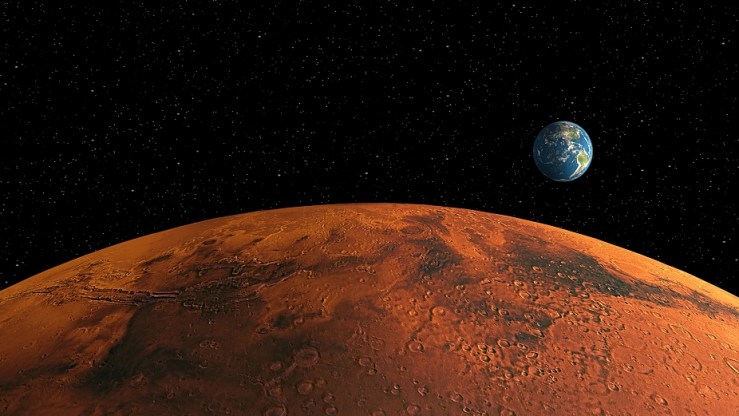
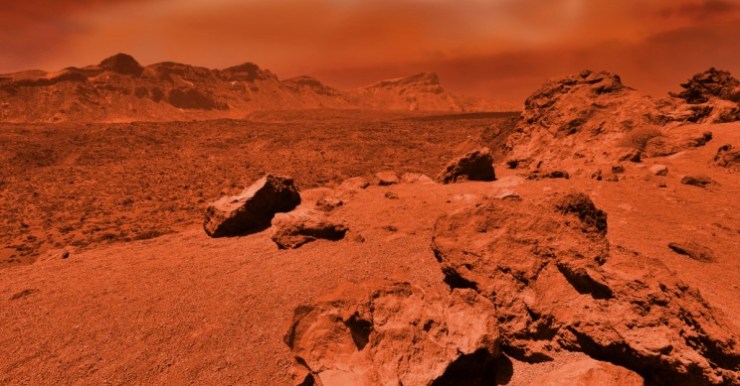
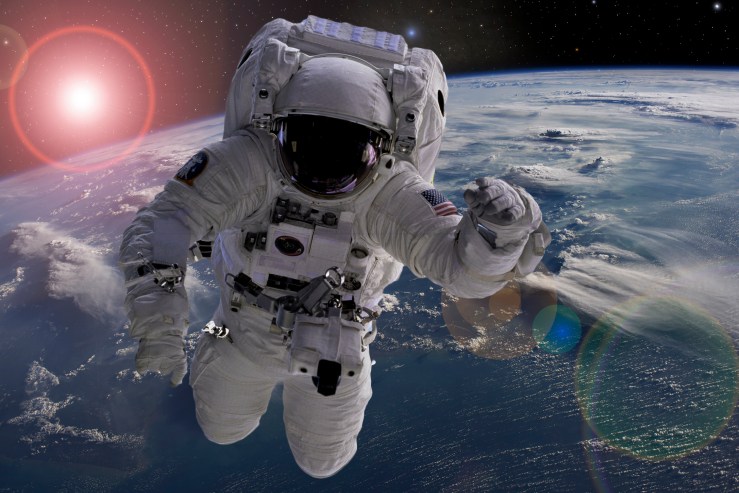
The Hubble Space Telescope (HST) in orbit above Earth’s atmosphere has a concave mirror rather than an objective lens, to gather light. A camera inside takes pictures using that light, producing incredible clear images of a wide range of astronomical objects. The Hubble Space Telescope is named in honour of Edwin Hubble, an American astronomer who, among other things, determined that the universe extended beyond the borders of the Milky Way. Since its launch in 1990, the Hubble Space Telescope has provided a dazzling array of images that have awed and inspired the public. It provided insight into the universe, from objects as close as the Moon to the most remote galaxies, with incredible photos of supernovae and nebulous in between.

If you were to put an arrow to the little point between the two rings to the right, that’s where we are. As far as the universe is concerned, we as humans don’t exist.
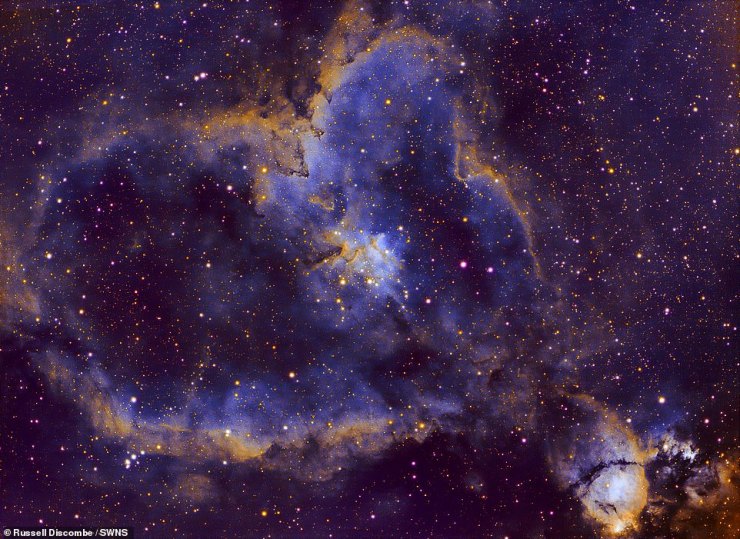
It is amazing what today’s telescopes can do. One example is the images acquired by an amateur astronomer and university lecturer Russell Discombe using the telescope in his garden.
Russell Discombe and his telescope

The Elephant Trunk Nebula in Cepheus, roughly 2,400 light-years away from Earth, image below

The Heart Nebula in the constellation Cassiopeia, around 7,500 light-years away from Earth, image below
“Drops of Jupiter” by Train:
I have chosen the next inventor not only because he was a founder of antiseptic medicine and a pioneer in preventive medicine, so apt in time of pandemic and today’s mantra ‘wash your hands’, but because of his conviction that patient welfare is of utmost importance. As my father, a surgeon, also passionately believed that being a doctor is a vocation and not a business, and would go to unprecedented lengths to help disabled children, and the poor, I am dedicating this post to Him.
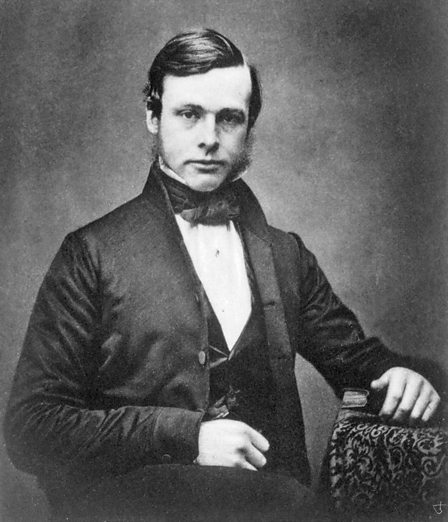
JOSEPH LISTER
5 April 1827 – 10 February 1912
Until the late nineteenth century, patients undergoing even minor surgery had about as much chance of dying afterwards as they did of surviving. English surgeon Joseph Lister dramatically improved patients’ chances in the 1870s, by introducing antiseptics into surgery.
Courtesy of Playdead:
Joseph Lister was born in Upton, in Essex, England, to a wealthy Quaker family. The Religious Society of Friends – Quakers, was founded in the 17th century. They are pacifists with the belief that the presence of God exists in every person. His father was a man of science, who made significant improvements to microscope design. Joseph studied the arts and then medicine at University College, London, and at Oxford. Although born and educated in England, he spent most of his career in Scotland. In 1836, Lister became an assistant surgeon at Glasgow University Medical School. In 1861, Lister was put in charge of a new building with surgical wards at Glasgow Royal Infirmary. At the time, around half of the patients died as a result of the surgery – open wounds often festered, becoming badly infected, inflamed, and full of pus. Untreated, this ‘wound sepsis’ was life-threatening. The prevailing explanation of infection was the so-called ‘miasma theory’: the idea that polluted air was the cause of disease. In the filthy air of the disease-ridden cities of the nineteenth century, this was an easy connection to make. Because of this belief, surgeons carried out operations without washing their hands and surgical wards were not clean.
Surgical ward at Glasgow Royal Infirmary

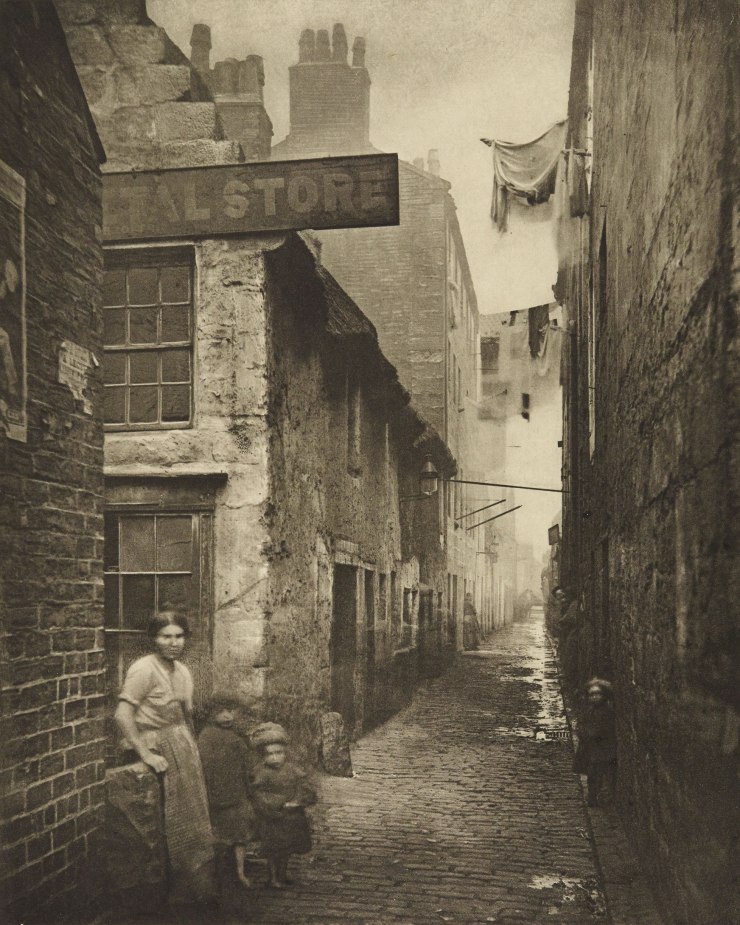
Below are nineteenth century slums in Glasgow

In 1865, Lister read a report by the French chemist and microbiologist Louis Pasteur (1822-1895) suggesting that fermentation and rotting are caused by airborne micro-organisms. Pasteur also showed how micro-organisms can be killed by heat, filtration, or chemical attack. When Lister heard of Pasteur’s work, he realised that airborne micro-organisms might be causing wounds to turn septic. He heard that carbolic acid (phenol) had been used to stop sewage from smelling bad, and had also been sprayed onto fields, where it reduced the incidence of disease in cows.
Louis Pasteur

And so, he and his surgeons began applying carbolic acid solution to wounds and using dressings that had been soaked in the same solution. In 1869, he developed a spray that would fill the air with carbolic acid, aiming to kill airborne germs. Lister also told his surgeons to wash their hands before and after operations and to wash their surgical instruments in carbolic acid solution. His results were impressive: his surgical wards remained free of sepsis and the death rate fell from 50% to 15%.

Other surgeons were slow to copy Lister’s procedures, largely because many were reluctant to accept the idea that disease can be caused by micro-organisms. When gradually, surgeons did begin using his technique, post-operative survival rates increased dramatically. It was after surgeons in the Franco-Prussian War of 1870 – 1871 used Lister’s methods, saving the lives of many wounded soldiers, that Lister’s fame spread across Europe, and he began to receive the recognition he deserved.
Lister’s medals

In 1877, Lister moved back to King’s College, London, where he managed to convince many of the still-sceptical surgeons by successfully performing a complex knee operation that had nearly always proved fatal. He continued to experiment tirelessly on improving surgical techniques and reducing mortality until his retirement in 1893.
The Lister memorial in Portland Place, London
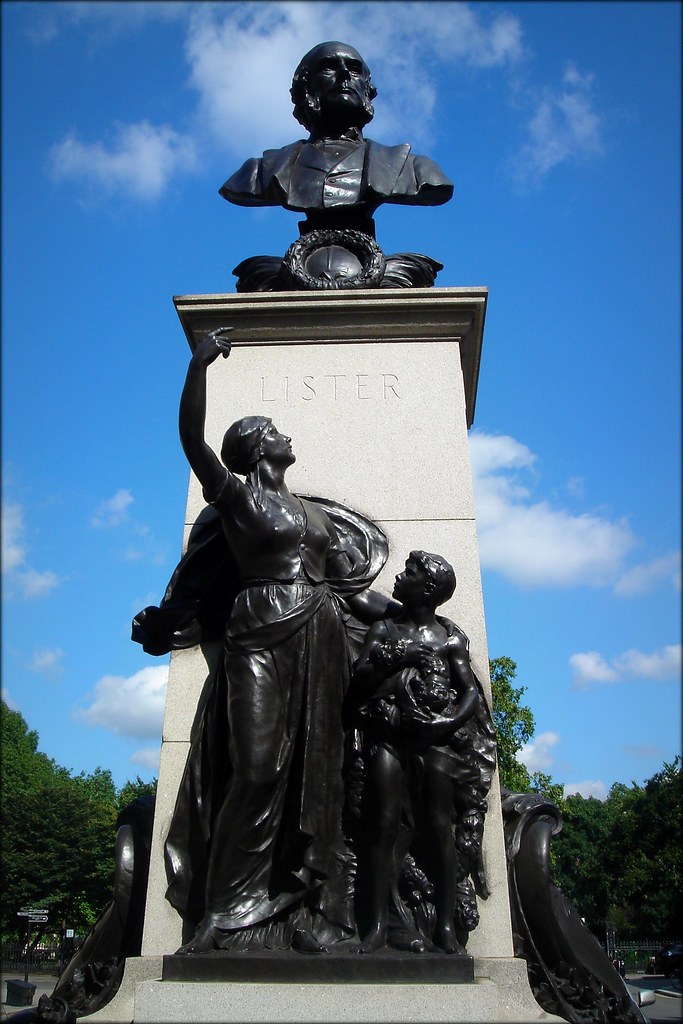
Although Lister is famous for his antiseptic methods, he also worked on ‘aseptic’ ones, attempting to keep operating theatres free from germs rather than killing them. Lister’s pioneering investigation into wound sepsis, his application of the germ theory of disease, and his success in dramatically reducing mortality make his contribution to surgery and patients’ wellbeing of the utmost importance.
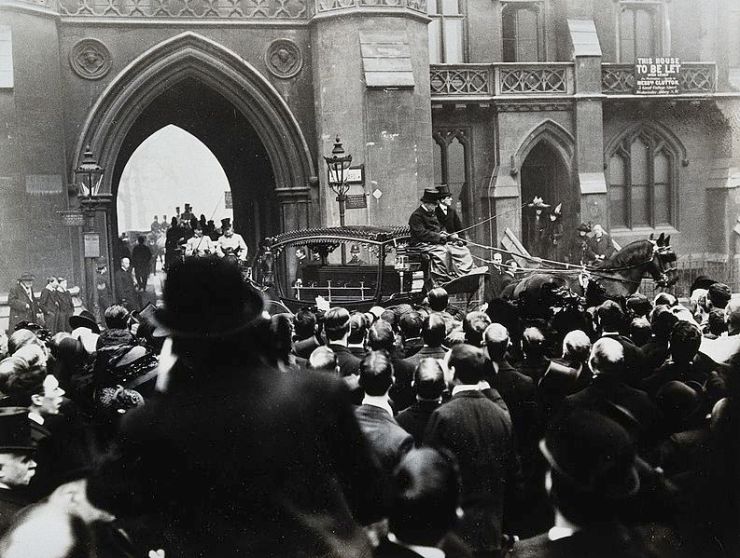
Joseph Lister’s funeral procession

PS Some of my eagle-eyed readers may have noticed fewer than usual music excerpts and videos in this week’s post – I am in the middle of resolving a data storage issue with WordPress so I have had to be prudent with multi-media. Fingers crossed, all will be back to normal next week!
 naturetails
Your article is truly fascinating, Joanna. It beautifully weaves together the history of discovery, the evolution of scientific instruments, and the profound human curiosity that drives us to understand the universe.
From the humble beginnings of Hans Lippershey’s telescope to the breathtaking images from modern space observatories, it reminds us how a simple idea can transform our perception of reality.
The quote by Stephen Hawking captures this perfectly though we live on a tiny planet around an ordinary star, our ability to comprehend the vast universe makes humanity extraordinary.
I also found the transition from astronomy to Joseph Lister’s revolutionary work in antiseptic medicine very meaningful. It highlights another dimension of human progress our dedication not only to exploring the cosmos but also to protecting and improving life here on Earth.
Thank you for sharing such a rich and inspiring reflection on science, history, and the endless human quest for knowledge. It truly reminds us how curiosity and compassion together shape the progress of civilisation.
-Vijay Srivastava
LikeLike
Thank you so much, dear Vijay, for the wonderfully thoughtful comments, which I love and deeply appreciate! Your kind words made my day!
Joanna
LikeLiked by 1 person
Excellent examples of inventions and practices that changed the world. The telescope allowed us to see the stars and now allow us to see deep into past creation. Our friend in New Zealand is an amateur astronomer and we have seen some heavenly wonders with his telescope. Antiseptic practices save numerous lives in operating theatres around the world. We were no more aware of this than during Pat’s recent knee replacement. Have a wonderful day Joanna. Allan
LikeLike
When mankind accepts the inventions of others as inspiration rather than a threat, or something of which to be jealous, how much can be accomplished! The sharing of information and experience is so important. I am fascinated with lenses, both the kind that magnifies and adjusts . I have prisms in my glasses without which I would have to cover one eye in order to see, yet the lenses look ordinary. It baffles me how it is worked out but I am very thankful. And to Joseph Lister I owe a great deal considering the surgeries I have had. Now we take antiseptics for granted. What other wonders are yet to be revealed? The photographs of the Universe are truly amazing. I certainly hope you get your wish about discovering life on Mars! I know there is life out there somewhere. Thank you for this Joanna!
LikeLike
I was in Florence in 2011. If I had known about the science museum there, I definitely would have visited it. I’d have loved to see Galileo’s telescopes.
This is another fine essay, Joanna.
LikeLike
Very impressive list of accomplishments, Joanna.
LikeLiked by 1 person
Thank you, Pat, for the kind comment, which is greatly appreciated.
Joanna
LikeLike
Thank you, Neil, for the wonderful comments, which are greatly appreciated!
Joanna
LikeLiked by 1 person
Thank you, Carolyn, for your wonderful comments, which I love and greatly appreciate!
Joanna
LikeLike
Thank you so much, dear Allan, for your wonderful and interesting comments, which I very much appreciate!
Joanna
LikeLiked by 1 person
This is turning out to be an encyclopaedia of discoveries!
LikeLike
Thank you, Indira, for the kind comments, which are greatly appreciated.
Joanna
LikeLiked by 1 person
We do spend an immense amount of time gazing at the stars! ⭐️
LikeLike
Thank you, Dorothy, for your kind observation, which is greatly appreciated.
Joanna
LikeLiked by 1 person
Another fascinating post on great scientific discoveries, Joanna! Beginning the piece with Stephen Hawking’s quote is a very fitting touch for a subject like this.
While Hans Lippershey and Zacharias Janssen certainly played important roles in the invention of the telescope, the contribution of Galileo Galilei cannot be overlooked. One cannot help but feel sympathy for him, an inquisitive and sincere mind who faced persecution simply for supporting the Heliocentrism. In that sense, Aryabhata was perhaps more fortunate.
I admire your fascination with Mars, and I truly wish you the best in your quest to discover life there. Still, we need you here on this planet as well! India, too, has its sights set on Mars through missions like Mars Orbiter Mission. Who knows, perhaps one day space shuttles to Mars will even become a means of tourism.
The contribution of Joseph Lister to antiseptic surgery will forever remain a milestone in medical history. It is remarkable to reflect on how far human curiosity, the quest for knowledge, and the determination to improve life have taken us. Today it is almost impossible to imagine the dreadful reality of surgery before the advent of anaesthesia and disinfectants. Thank you for bringing his work into the spotlight.
I also deeply appreciate the role your father played in treating disabled and underprivileged children. You have most fittingly dedicated this post to such a compassionate soul, and I offer my sincere respects to him.
Never mind the lack of videos due to storage limitations; the wealth of fascinating information more than makes up for it. Thank you once again for another enlightening and engaging post this week.
LikeLiked by 2 people
Thank you so much, Kaushal, for the wonderful comments, which I love and very much appreciate! I don’t know about the previous life on Mars, I meant that a single cell of bacteria came from Mars onto Earth, and then started dividing creating more and more cells. I wouldn’t want to live on Mars as our planet is far more beautiful, but I always had unexplained feeling that we came from Mars.
Thank you again, Kaushal, your kind words lifted my spirit!
Joanna
LikeLiked by 1 person
My pleasure, Joanna, you’re always welcome. Your feeling that we may have come from Mars is not entirely unfounded, considering that all life is believed to have begun from a single cell.
LikeLike
Thank you, Kaushal, for the wonderful reply! As always, you are more than welcome!
Joanna
LikeLiked by 1 person
Thank you for another fascinating post. I agree that many inventions are built upon the work of those who came before them–the concept of building the foundation before the house. And your dedication to your father was very touching. He sounds like a wonder man.
LikeLike
Thank you so much, Diana, for the wonderful comments, which I love and greatly appreciate!
Joanna
LikeLiked by 1 person
Leave it to you to curate such an amazing post, Joanna. You covered so much with such great scientists and doctors with a special tribute to your father. What a devoted and lovely man. I see the apple doesn’t fall to far from the tree. I’m sure you made him proud.
I sure wouldn’t want to live on Mars but maybe visit if we can ever get it right here on earth. Thank you Joanna! 💕
LikeLike
A very interesting collection of information and scientific history, accompanied by delightful music and fantastic videos.
I found your post fantastic, as always, and I’m truly grateful for the extended section dedicated to our Italian genius, Galileo.
LikeLike
Thank you so much, dear Luisa, for the wonderful comments, which I love and appreciate!
Joanna
LikeLiked by 1 person
You’re so very welcome, Joanna
PS: I’m grateful for all I learn on your blog! 🌹
LikeLike
Thank you, dear Luisa, and I learn so much from your blog!
Joanna x
LikeLiked by 1 person
Yet another of your fascinating posts on great scientific discoveries, Joanna! Opening the post with Stephen Hawking’s quote was quite befitting for a subject like this. While Hans Lippershey and Zacharias Janssen certainly played important roles in the invention of the telescope, the contribution of Galileo Galilei cannot be overlooked as he made significant improvements in the basic telescopes !Also he was first to make biological obsevation with microscopes !The contribution of Joseph Lister to antiseptic surgery will forever remain a milestone in medical history who was held in a great esteem as a surgeon in those times !I also deeply appreciate the role your father played in treating disabled and underprivileged children. You have quite befittingly dedicated this post to such a compassionate soul, and I offer my most sincere respects & salutation to him!Thanks for such an insightful post with a touch of kindness & compassion, Joanna
LikeLike
Thank you so much, Dhirendra, for your wonderful comments, which I love and very much appreciate! Your kindness lifted my spirit!
Joanna
LikeLiked by 1 person
Infact your Wonderful & enriching posts have lifted our knowledge level on the topics you have been taking up in your creations! Thanks again for sharing such precious posts with us, Joanna 🙏
LikeLike
Thank you, Dhirendra, for being so kind!
Joanna
LikeLike
🙏🙏🙏
LikeLike
Do me a favour Joanna !Pl find time to go through my “Kashmir visits” blog whenever you find time!I am sending the link: https://travelandshare.travel.blog/2020/01/25/visits-to-the-mesmerizing-charismatic-kashmir-the-heaven-on-earth/
LikeLike
Joanna, the evolution of telescope, the revolutionary work in antiseptics made this such a fascinating read. Kudos for all the research you do.
LikeLike
Thank you so much, Punam, for the wonderful comments, which I greatly appreciate!
Joanna
LikeLiked by 1 person
My pleasure, dear Joanna.
LikeLike
Thank you, dear Punam!
Joanna
LikeLiked by 1 person
A fascinating journey that shows how curiosity and science have allowed us to understand our place in the universe.
It highlights that every discovery, from the telescope to medicine, stems from human effort to improve and learn more.
Best regards, Joanna.
LikeLike
Thank you, Lincol, for the thoughtful comments, which are greatly appreciated!
Joanna
LikeLiked by 1 person
Thank you so much, Joanna… I’m so glad my words reached you, it’s always a pleasure to read you.
LikeLike
Thank you, Lincol. You are always welcome!
Joanna
LikeLiked by 1 person
🤗🫂
LikeLike