

“Wilderness is not a luxury
but a necessity of the
human spirit.”
Edward Abbey
“Dark Sky Island” by Enya (courtesy of Letitia Luca):
“Unless you try to do something
beyond what you have already
mastered, you will never grow!”
Ralph Waldo Emerson
Courtesy of Rimpyroo:
Today’s post is about a book that is loved and famous because its author had deeply felt emotions of love for nature, freedom, adventure, imagination, and the talent to put those feelings into words. The readers who know this book will agree, those who still are planning to read it, are in for an unforgettable treat.

ARTHUR RANSOME
1884 – 1967

Courtesy of Mad Biker 3020:
Arthur Ransome was born in Leeds in 1884, the oldest of four children. His father was a history professor at what is now Leeds University. Ransome was educated at Rugby. Until his father’s death, when Arthur was 13, the family would spend every summer holiday in a house on Coniston Water. His father inspired Arthur’s love of the outdoors A few years later when Ransome was struggling to earn a living as a writer in London, he snatched a brief holiday in Coniston and met a near neighbour, a celebrated writer and Lakeland artist, W.G. Collingwood.
Coniston Water in the Lake District

Courtesy of Aerodynamics Consultants Ltd:
It was a watershed in his life. He was taken in by the Collingwoods and more or less adopted into their family. Their son, Robin, and two daughters, Dora and Barbara, taught him how to sail. In due course, he proposed to both in turn, and although both turned him down, Ransome remained close to them. Dora went on to marry Dr Ernest Altounyan; the Swallows and Amazons were the children Ransome would have wanted to have.

Instead, he married Ivy Walker, a melodramatic aspiring writer. She would send telegrams to herself, and empty plates of eggs over her head to gain her husband’s attention. Aged 24, Ransome had proposed to her half as a joke, and when he tried to break off the engagement, there were histrionic scenes that made him feel, he said, ‘at the same time a villain and a rabbit.’
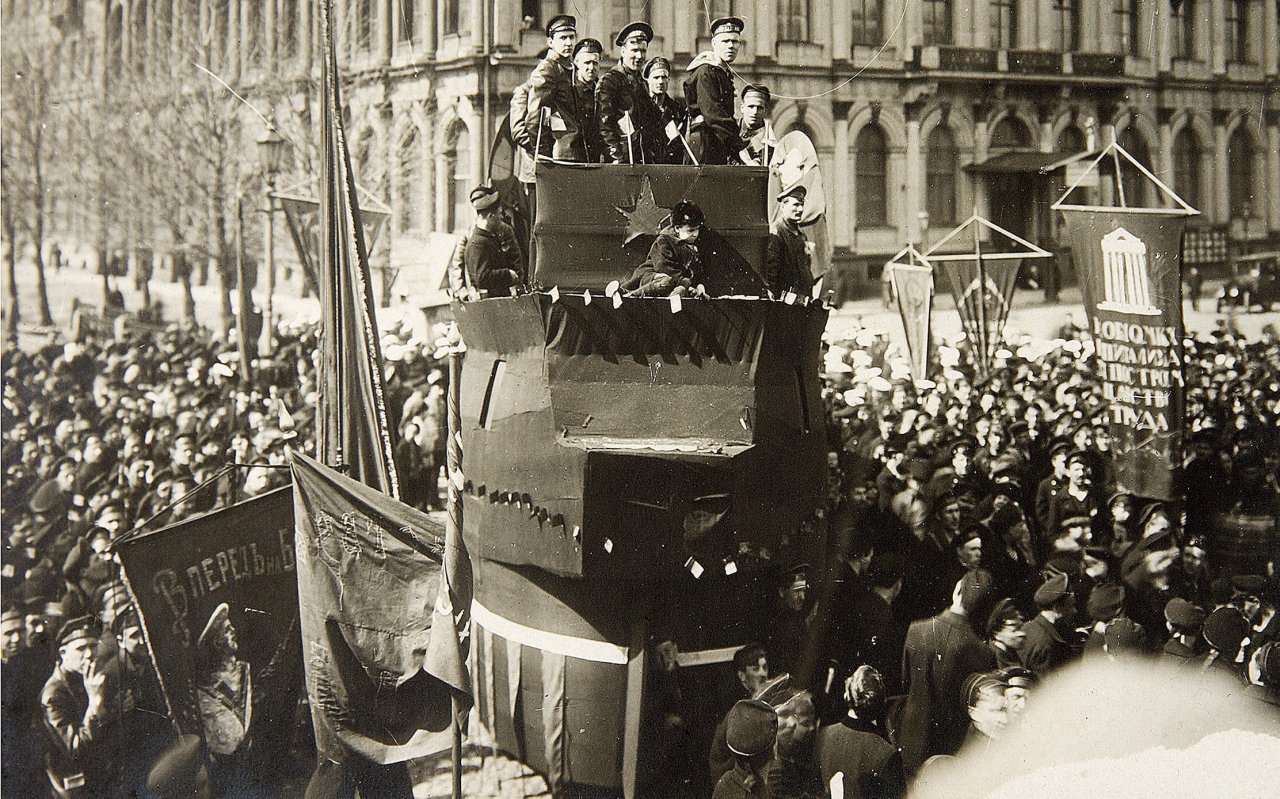
He became a reporter for the Daily News, in London, for whom he was a Russian correspondent during the First World War and the Russian Revolution. Mostly to escape Ivy, Ransome took off for Russia in 1913, though not before they had a daughter, Tabitha. Poor eyesight and ill health made him unfit to join the British Army in 1914, so he was able to stay in Russia as a correspondent through the days of the revolution and the founding of the Soviet Union. It is thought that Ransome was the only Englishman to play chess with Lenin.
Alexander Bogdanov playing chess with Lenin

He was recruited into MI6 and filed regular reports on the Soviet leadership to the Secret Intelligence Service. He was far too dreamy to be a proper spy, but courageous nonetheless. Twice he bluffed his way through the front lines of the Russian civil war to carry peace proposals from Estonia to Kremlin. Walking towards the lines, he clenched his pipe in his teeth and puffed furiously, trusting that nobody would shoot a man with a pipe in his mouth. He won over the soldiers who threatened to kill him and went on his way. Walking back through the lines, he was challenged three times by different warring bands, and survived the last challenge when an officer recognised him as a chess partner.

“Piano Concerto No. 2” (2nd movement) by Rachmaninov, performed by Hauser and the London Symphony Orchestra:
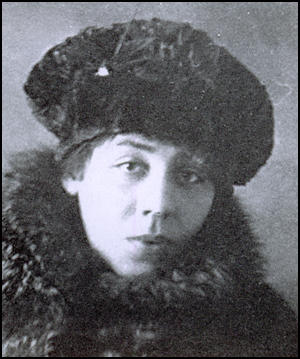
Back in England in 1924, he concluded a harrowing divorce from Ivy. While in Russia, he met Trotsky’s secretary, Evgenia, and now free, married her. He returned to England and with Evgenia, they settled in the Lake District, where to pay off his alimony, Ransome wrote fishing pieces for the Guardian. Then came Swallows And Amazons, and Ransome’s financial problems were over.
Evgenia Shelepina, later to become Ransome’s wife, whom he called Topsy or Dear Old Top.
He and Evgenia had no children of their own. Ivy refused to let him see Tabitha, who bitterly resented her father’s evocations of the idyllic childhood she never had, especially since he gave her mother’s maiden name of Walker to his invented family. In old age, he turned against the Altounyan family, thinking, unfairly, that they were taking the credit for inspiring his books. Ransome had never really ceased to be a child himself; he was protecting the private world of his imagination.


Arthur Ransome died in 1967 and was buried in St. Paul’s Church, in Rusland in the Lake District, where fans still write in the visitors’ book, “Swallows and Amazons Forever!”

Courtesy of ian chapman:
In 1925 he bought an old farmhouse near Cartmel Fell and the area would provide the setting for his classic “Swallows and Amazons” series of novels for children. His novels have been published all over the world, inspiring many tourists to visit the location he described with such affection.
Low Ludderburn in Cartmel Fell, where Ransome lived

Courtesy of Lakeland Arts:
SWALLOWS AND AMAZONS
A pair of red Turkish slippers started it all. In 1928, Arthur Ransome, then 44, spent the summer sailing on Coniston Water in the Lake District. With a friend, Ernest Altounyan, he bought two 14ft dinghies, and with the five Altounyan children, he explored the islands and lakeshore he had known as a child. After summer was over, the children came round to present “Uncle Arthur” with the Turkish slippers as a parting gift for his birthday. In return, Ransome began writing a story for them with the dedication, ‘For the six for whom it was written in exchange for a pair of slippers.’ The story was Swallows And Amazons.
Three of the Altounyan children who inspired Ransome

Dora Collingwood, who married Dr Ernest Altounyan

It was the first in a series of 12 books written over the next 18 years that would enthrall millions of children and make even duffers want to learn how to sail. Taqui Altounyan (the tomboy Nancy Blackett in the books) remembered Ransome as a ruddy-faced man who played penny whistle and had round glasses and a rather long moustache. If he had been no more than an overgrown schoolboy who loved fishing and messing about in boats, he would still be among immortals – but his background was more bloodcurdling than any of his adventure stories.
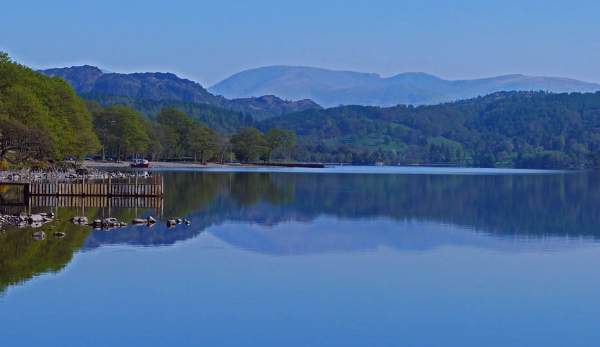
On the first day, Ransome writes,
“…they had seen the lake like an inland sea. And on the lake they had seen the island. All four of them had been filled at once with the same idea. It was not just an island. It was the island, waiting for them. It was their island. With an island like that within sight, who could be content to live on the mainland and sleep in a bed at night?”
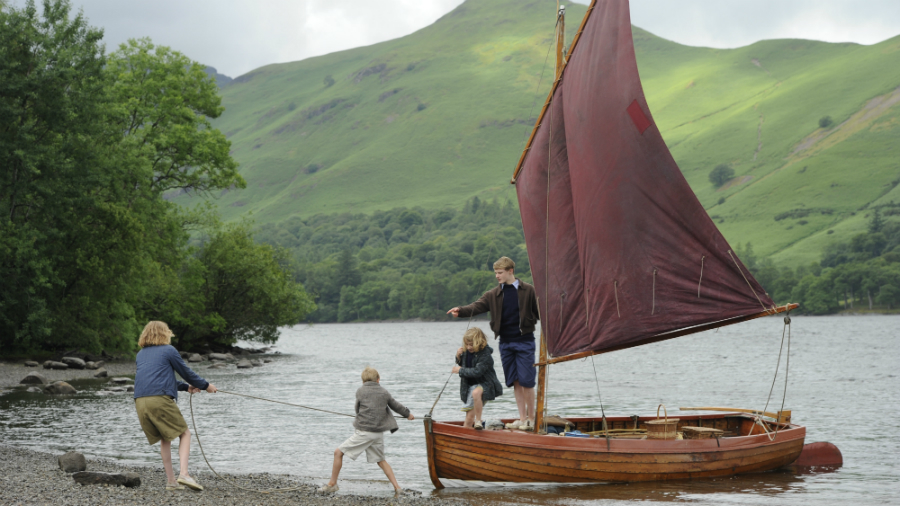
When Mrs. Walker sends a letter informing her husband, an officer in the Royal Navy, of the children’s desire to sail out and camp by themselves on the island called Wild Cat, he responds by a terse but empowering telegram:
“Better drowned than duffers.
If not duffers won’t drown”
That sets the tone for much of what follows in this enchanting book; children left to their devices to manage their days and make their own fun. After piloting the catboat Swallow to the island, the Walker children camp amidst the glorious outdoors. They fish and then cook their supper on an open fire. They gather wild garlic and spinach leaves to go with the freshly cooked fish and wild mushrooms. They sing and they tell stories and laugh around the campfire.

Having made friends with the Blackett sisters, Nancy and Peggy, who live locally and sail a dinghy named Amazon, they engage in friendly competition and join forces against the Blacketts’ unfriendly uncle James, whom they nickname Captain Flint. Adventure ensues when the Captain’s boat is burgled, but all comes right in the end, setting the stage for ten delightful sequels that similarly celebrate the resourcefulness of young people allowed to get their hands dirty as they master real skills – boating, camping, fishing, and the like – in a delightfully imagined but recognisable wonder of the natural world.
The book has had several adaptations, a recent one being the 2016 feature film, directed by Philippa Lowthorpe.

Courtesy of StudiocanalUK:
An extract from Swallows and Amazons:
“Next morning the whole of Swallow’s ship’s company bathed before breakfast. The landing place, with its little beach, on the eastern side of the island, was a good place for bathing. There was sand there, and though there were stones, they were not so sharp as elsewhere. Also, the water did not go deep there very suddenly, and after Susan had walked out a good long way, she said that Roger might bathe too. Roger, who had been waiting on the beach, pranced splashing into the water.
‘You are to swim as well as splash,’ said Mate Susan.
‘Aye, aye, sir,’ said Roger. He crouched in the water with only his head out. That, at least, felt very like swimming. John and Susan swam races, first one way, and then the other. Titty, privately, was being a cormorant. This was not the sort of thing that she could very well talk of to John or Susan until she was sure that it was a success. So she said nothing about it. But she had seen that there were lots of minnows in the shallow water close to the shore. Perhaps there would be bigger ones further out, like the fish the cormorants had been catching yesterday. Titty watched them carefully. The way they did it was to swim quietly and then suddenly to dive under water, humping their backs, keeping their wings close together, and going under head first. She tried, but she found that unless she used her arms, she did not get under water at all.”

“Je crois entendre encore” (Arr. for Violin & Orchestra) from “The Pearl Fishers” by Georges Bizet, performed by Joshua Bell (courtesy of mariamagda57):
Courtesy of JTC Films:

 naturetails
With much love, Joanna. Thank you for your beautiful sensitivity and for always giving me reasons to share. I send you a big hug full of gratitude 💖.
LikeLike
Thank you, Lincol, and you are more than welcome!
Joanna
LikeLiked by 1 person