
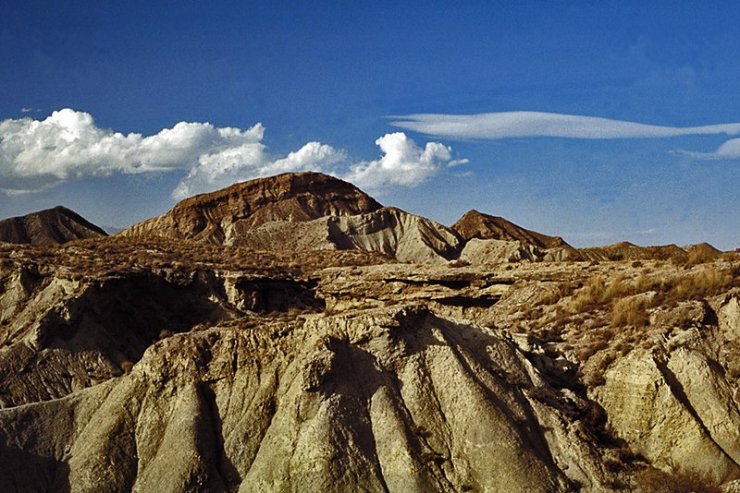
Desert of Tabernas
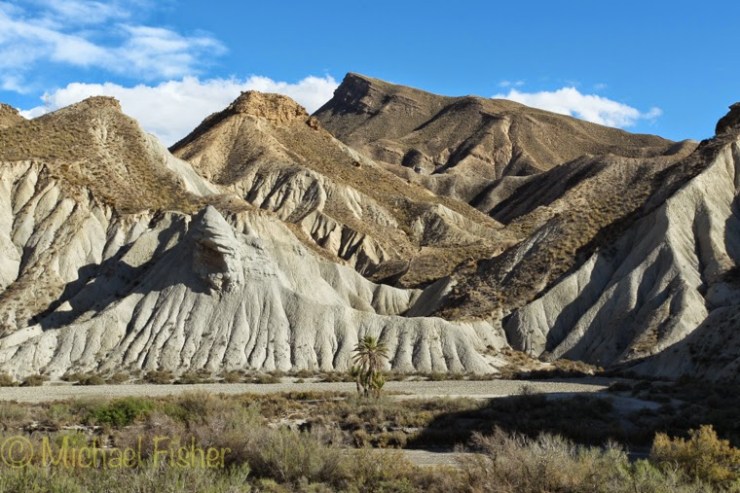
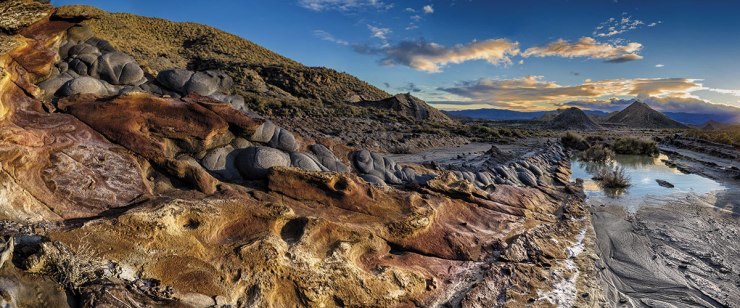
The closest Europe has to a true desert is located in south-east Spain, some 20 kilometres north of the city of Almeria. It is a shallow depression between the Sierra de Los Filabres to the north and the Sierra Alhamilla to the south. This was the area’s fossilised coral reefs that during the Miocene period eight million years ago formed part of the seafloor. Since being cut off from the Mediterranean by tectonic movement, it is now one of Iberia’s most unusual and distinctive landscapes, characterised by dramatic complexes of ridges, plateaux and deep gullies gouged out by natural processes of erosion. The desert itself is almost completely devoid of trees.

Courtesy of OneCity:
With an average of fewer than 220 millimetres rainfall annually, this is one of the driest places in Europe. On average it only rains here six days per annum, often in a violent and concentrated burst that results in flash floods capable of causing extensive destruction. Yet, this stark and seemingly inhospitable landscape, 11,475 hectares of which is protected as nature reserve, supports a range of endemic plants and arid zone wildlife, including species for which this parched corner of the Iberian peninsular represents their only toehold on mainland Europe.


Despite being one of Europe’s most distinctive areas for natural history, this part of Spain achieved notoriety of a different type in the 1960s and 1970s when it was used as a location for the filming of the so-called ‘Spaghetti Westerns’, including some starring Clint Eastwood. The local landscape provided a convincing scenic alternative to more expensive locations such as Arizona and New Mexico, and many films were made here. Today this cinematic legacy survives locally in the form of film sets built to resemble Western towns, some of which are still working locations.
“The Ecstasy of Gold” by Ennio Morricone, performed by Hauser:
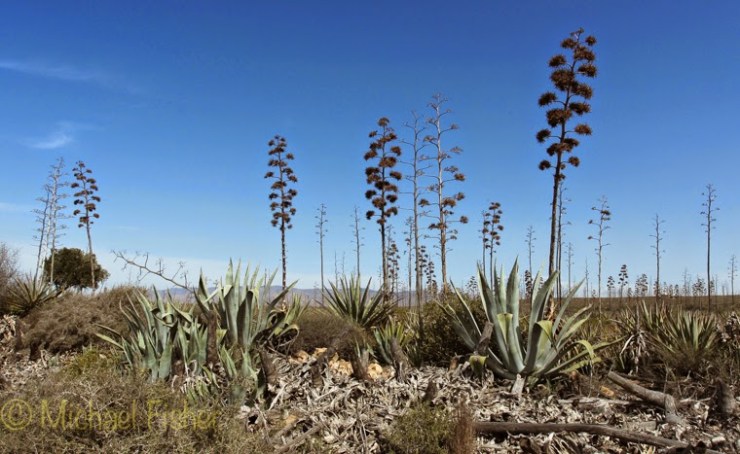
Much of this bleak and harsh landscape remains largely unaffected by human activity. Few areas within it are suitable for cultivation and its most defining characteristics are arguably those that make it such an immediately hostile place. The temperatures are positively epic – daily above 40 degree Celsius in high summer, and in winter the thermometer can drop below freezing point. Frequently harsh winds intensify these extremes. Sunshine levels are among the highest in Europe, a factor that contributes to the bleached and desiccated appearance of the landscape – there can be few places more scorching on a mid-afternoon in June than the open plateaux of Tabernas. Although certain bird species seem to revel in these conditions, most wildlife is to be found in the more hospitable conditions afforded by the ramblas, along which small streams often run. The more permanent of these provide a lifeline for a host of species that otherwise would be unable to survive here.
“Spanish Romance” performed by Hauser and Pablo Sáinz Villegas:
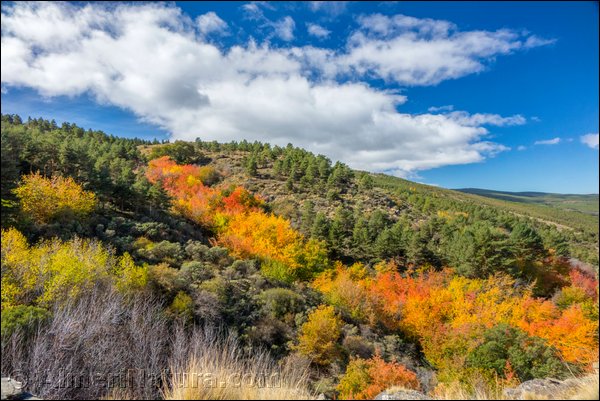
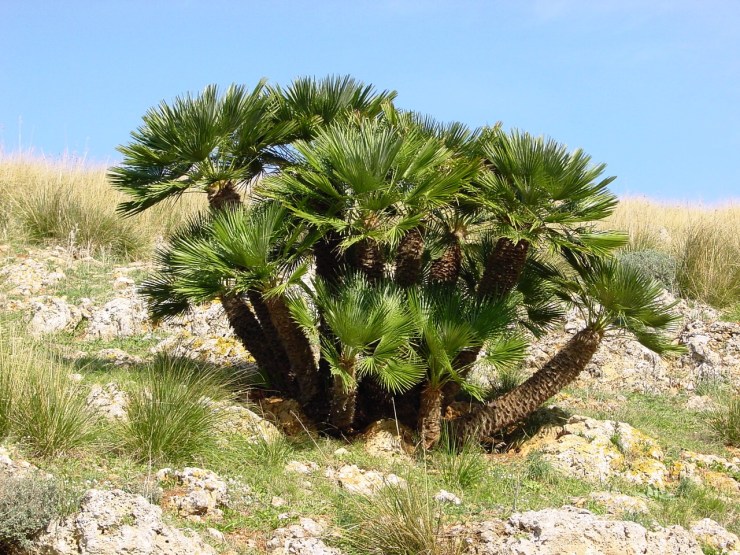
Climate vegetation along with ramblas comprises extensive stands of Tamarisk, Oleander, and Giant Reed or Spanish Cane, which provides excellent habitat for a range of passerine birds, both resident or migratory. Endemic plants include Lilac-flowered Toadflax, found only in the province of Almeria, and Afro-Iberian specialities such Pteranthus dichotomous. Sheltered locations often harbour Dwarf Fan-palm, the sole European representative of the palm family. It can withstand temperatures as low as minus 12 degrees Celsius and recovers quickly after bushfires, regenerating from the scorched stumps.
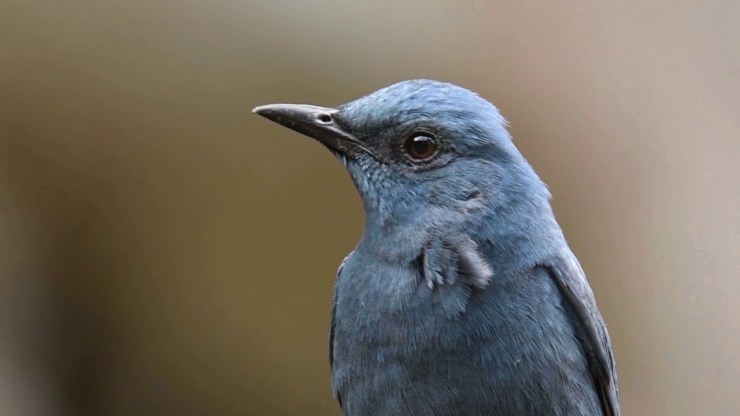
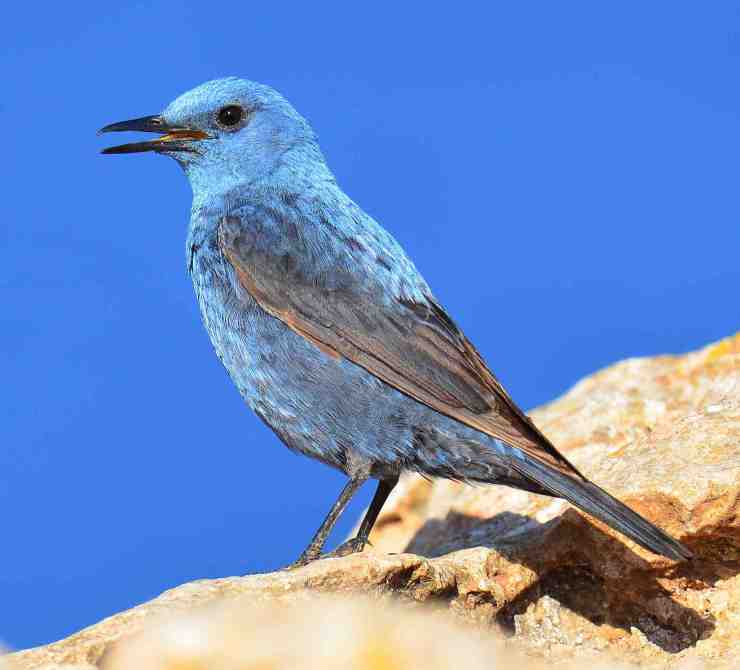
Particularly interesting is the parasitic Cynamorium cocineum, its bizarre phallic-shaped form sprouting out of bare gravel. The vegetation along the ramblas supports a host of small birds, particularly warblers such as Sardinian and Subalpine, as well as Rufous Bush Chat. In winter the bushes can be alive with Chiffchaffs, which pass winter here after breeding in northern Europe. The rocky slopes along the ramblas are the haunt of birds that favour tracks of broken ground, such as Blue Rock Thrush, Rock Bunting, Rock Sparrow, and Black Wheatear. The latter is particularly common and often seen perching on prominent rocks from which the male delivers his scratchy song.
The Tabernas is also home to the three of the classic Mediterranean exotics – Bee-eater, Hoopoe and Roller. These are perhaps best observed when nesting in cavities in cliff faces or banks of exposed sand. Whereas this is the normal breeding habitat for Bee-eaters, both Hoopoe and Roller usually nest in trees but are forced to choose alternative sites in the absence of any here. Hoopoes are ground-feeders, strutting on areas of bare soil or short grass in search of insects. Surprisingly inconspicuous given their extravagant plumage, they often pass unnoticed until they fly up from the ground, their flashy black and white wings and seemingly random flight pattern catching the eye. Rollers, however, can be easy to spot as they sit like sentinels on telegraph wires or a protruding dead branch surveying the ground below for invertebrates or small reptiles. Meanwhile, the distinctive ‘pirrup-pirrup’ call of Bee-eaters overhead as they hawk for insects is one defining sound of summer in this corner of Spain.
Courtesy of Ebro Delta Birding:


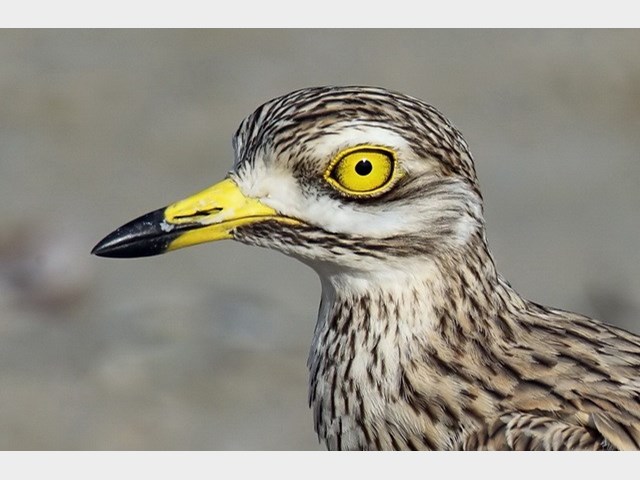
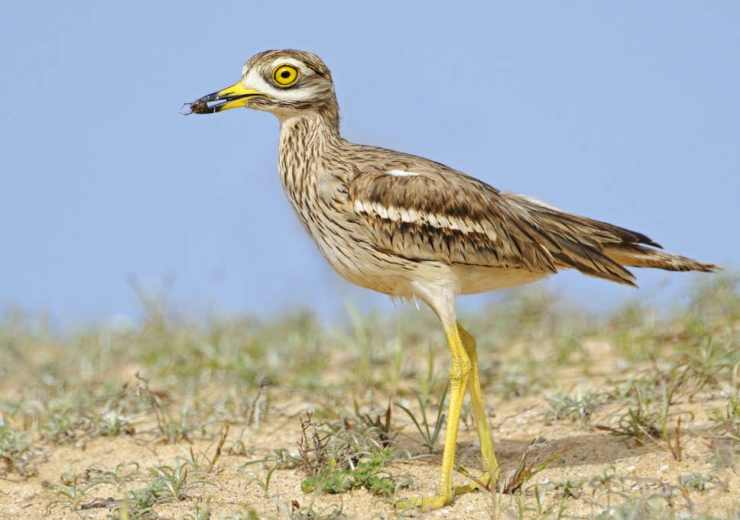
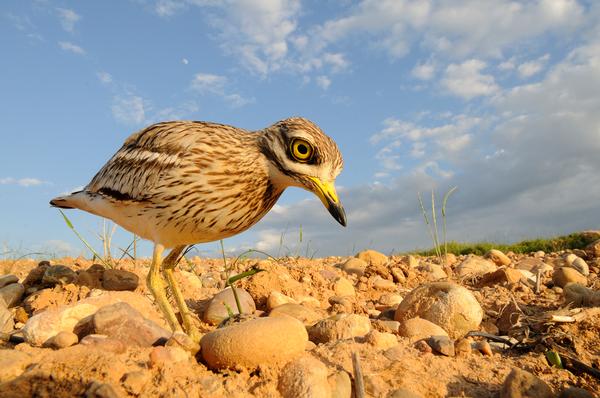
Many of the avian specialities that draw wildlife enthusiasts to Tabernas are classic ‘steppe’ species, birds that are dependent on wide, undisturbed open spaces and therefore under increasing pressure as this type of habitat become scarcer across Europe. There are good numbers of Stone-curlew here; this enigmatic bird is crepuscular and nocturnal, and so not easy to locate in the middle of the day, when it spends its time resting in any available shade. At dusk, however, it becomes active and its eerie cries are the sound of the open plateaux at night as the birds hop around in search of food. A summer migrant to Europe from Africa, the Stone-curlew has decreased across much of the range as a result of rising agricultural activities. Spain is home to approximately 70 per cent of the remaining European population and the Tabernas area supports one of the highest densities anywhere in the country.
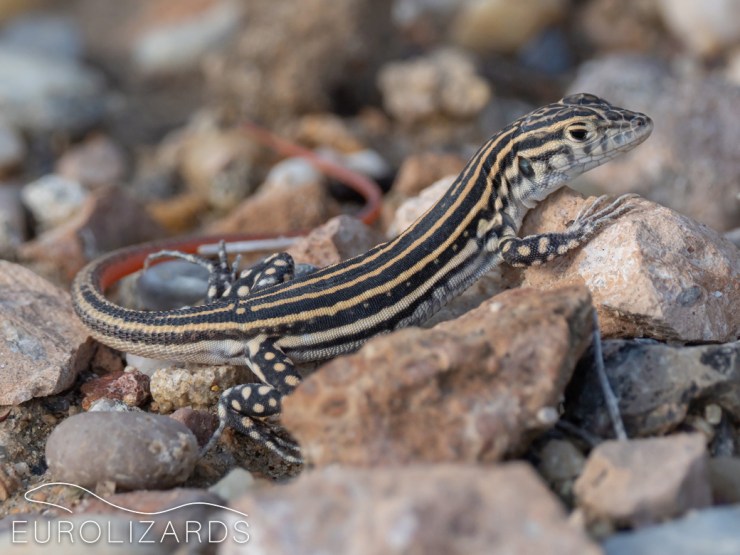
Spiny-footed Lizards are a common sight around Tabernas. The brightly coloured males are very territorial during the breeding season, defending their territory against rivals and chasing any passing females.
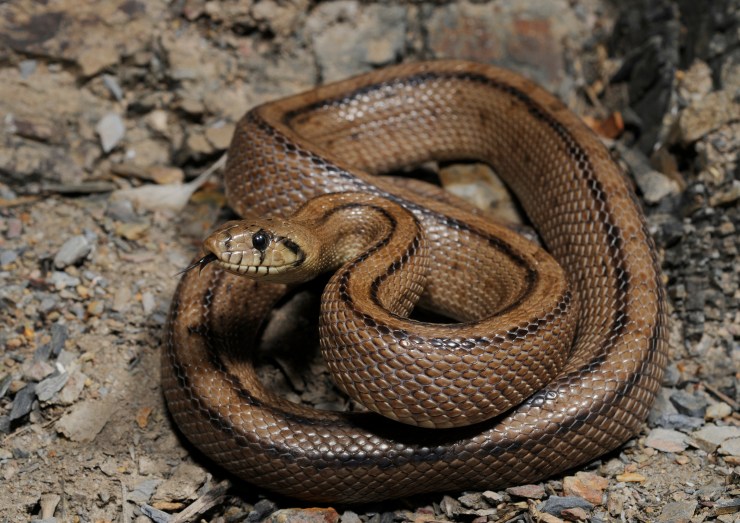
Reptiles abound in Tabernas. They include the Ladder Snake, a large species reaching up to 160 centimetres in length. Mainly ground-dwelling, it also climbs well and moves easily on rocky terrain in search of prey.
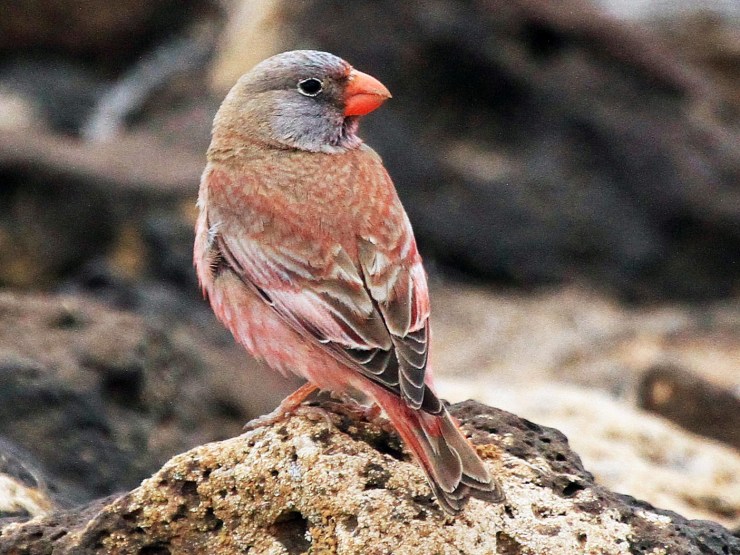
One of the iconic birds locally is the Trumpeter Finch. This desert-dwelling species occupies a range extending from the Canary Islands and North Africa through the Middle East and into Pakistan and India. In the European context, its requirement for very sparsely vegetated and arid steppe terrain is met in the Tabernas area. Although Trumpeter Finch often nests semi-colonially, with several pairs frequenting the same area, they are nomadic in nature, dispersing over large areas, especially breeding. Their precise location at any time is generally determined by the presence of what are often ephemeral sources of water. However, attention is often drawn by their distinctive buzzing call – actually their song – which resembles the sound of a toy trumpet and from which they derive their common name.
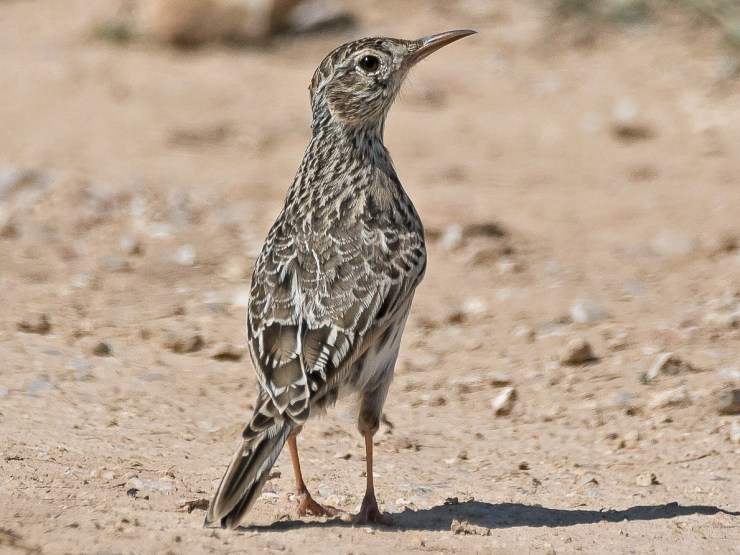
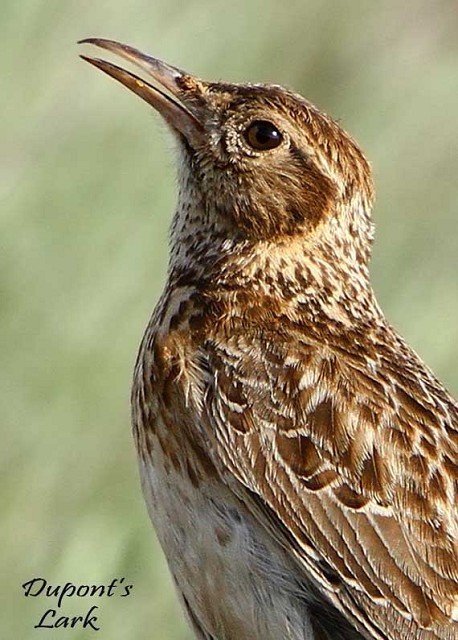
Larks are well represented here but to birders, the local prize goes to Dupont’s Lark, a few pairs of which are resident in the area but are notoriously difficult to find. Highly terrestrial, it rarely flies, preferring to run away from danger.
Cabo de Gata is the most south-easterly point of the Iberian Peninsula and an outstanding place for wildlife. It has particularly diverse flora, with over 1,000 species of plant recorded here.
Courtesy of Wild Spain:
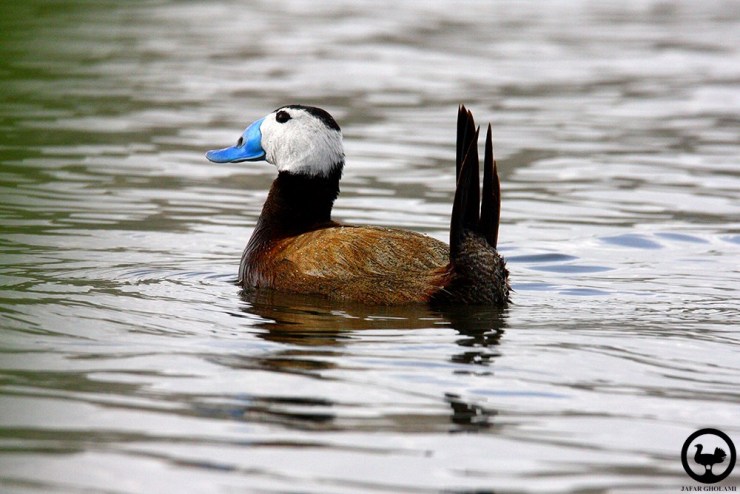
The coastal salinas in this part of Spain are home to the globally endangered White-headed Duck, which is increasing in numbers in this area. In spring, the blue-billed males can be seen in display, with their tail feathers held erect.
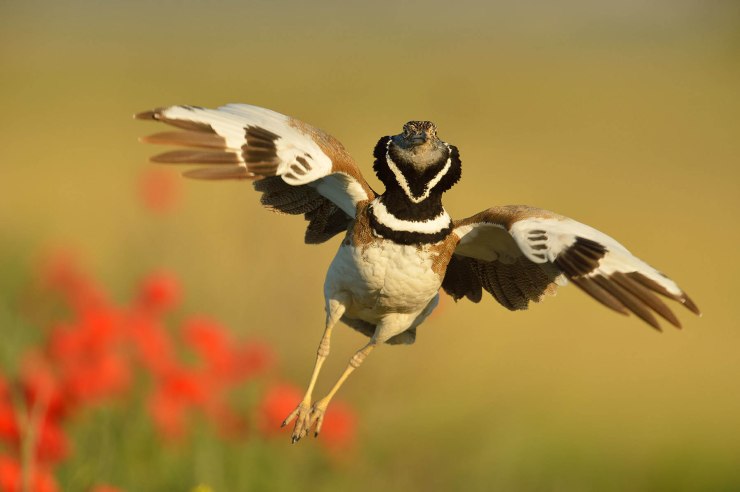
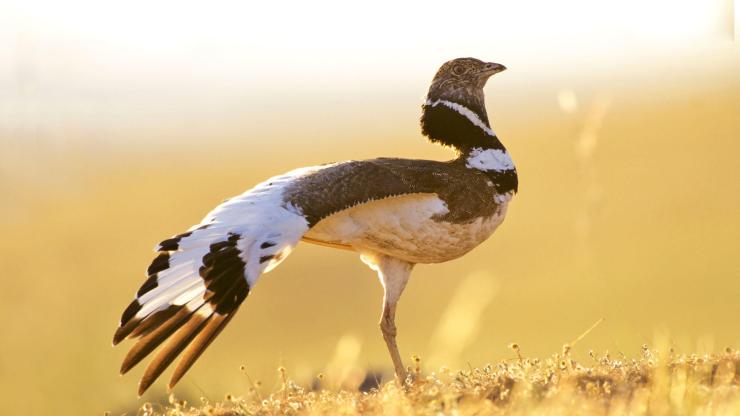
Another joyful encounter is with a displaying male Little Bustard, as he leaps from the ground with his wings outspread. This behaviour is designed to attract the attention of passing females and is accompanied by a distinctive grating call. At another time of year, Little Bustard is hard to find.
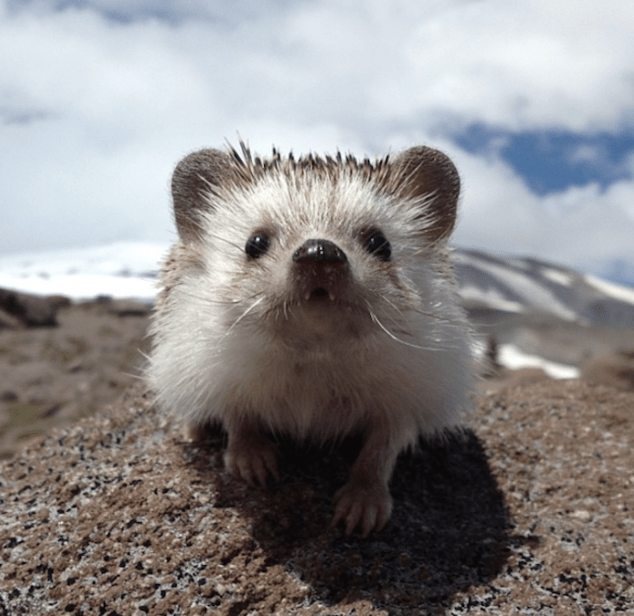
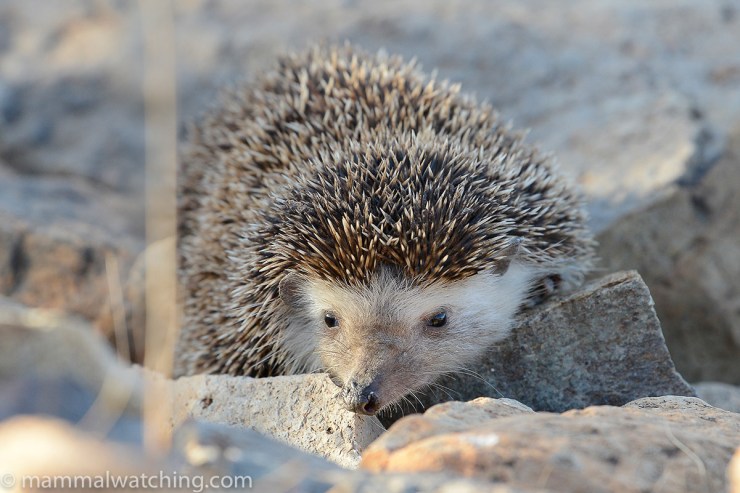
The Algerian Hedgehog is generally smaller and paler than the European Hedgehog. It can be spotted by torchlight in the ramblas as it forages for invertebrates, fallen fruit or seeds. As all hedgehogs are, these here are beautiful too.
As Spain is one of the most popular destinations for sun-seeking holidaymakers, a visit to a unique place such as the Tabernas is a must.
Courtesy of You Desert Experience:

 naturetails
i never knew of this desert before this article! thank you so much for bringing wild nature into my virtual life🙏🏼
LikeLike
What an interesting microcosm, so full of beautiful birdlife and animals. My favourites and the Hoopoes and the hedgehogs. Thanks for showing us this part of the world. Have a good evening Joanna. Allan
LikeLike
Thank you, Allan, for the lovely comments which are greatly appreciated!
Joanna
LikeLiked by 1 person
Thank you for your kind comments which are much appreciated!
Joanna x
LikeLiked by 1 person
Its a very informative article on the wild nature ,a new place to know about,pictures easily take us on a ride to this world.Thanks for sharing Joanna.
LikeLike
What a beautiful desert. If I ever knew that Spaghetti Westerns were filmed there, I’d forgotten. The odds are slim that I’ll ever visit this desert, but I sure would like to. Thanks for another very fine article.
LikeLike
Thank you, Neil, for your wonderful comments! There are so many beautiful places one would like to see but not enough time in one life! Still, more posts will follow to introduce my readers to the wonder of this planet!
Joanna
LikeLiked by 1 person
Thank you, Prafulla, for your beautiful comments which are greatly appreciated!
Joanna
LikeLiked by 1 person
Thank you, Allan, for your lovely comments which are much appreciated!
Joanna
LikeLiked by 1 person
Thank you Joanna, I loved reading about this microcosm. So interesting. The wilderness quality reminds me of parts of the Little Karoo in South Africa . Have a great weekend, M😊💟
LikeLike
I enjoyed this one so much Joanna that it felt good to be alive. I especially enjoyed listening to the music which got me right into the mood for looking at the wonderful pictures and clips of the Tabernas desert and its wildlife. The birdlife seems extraordinary bearing in mind the harsh landscape, but what really is extraordinary is your ability to stitch all this together with such a brilliant narrative. Another fabulous post Joanna. Thank you.
LikeLiked by 1 person
Thank you, Malc, for your wonderful comments! You know how to raise my spirit, make me happy, and make me grateful for a reader like you! Thank you again; you are a gem to cherish!
Joanna
LikeLiked by 1 person
Thank you, Morag, for your lovely comments which are much appreciated!
Joanna
LikeLiked by 1 person
🙏 You brightened up my day too Joanna!
LikeLike
Thank you, Malc, you are very kind!
Joanna
LikeLiked by 1 person
I only knew this desert by name, and your wonderful post has provided me with so much great information.
Thank you for writing about it and sharing such a wide variety of fascinating photos and fabulous videos.
LikeLike
A map shows that Tabernas is closer to the Moroccan coast than it is to Madrid, so I guess being in a desert shouldn’t come as a surprise—even though it probably does to most people.
LikeLike
Thank you, Steve, for your thoughtful comments which are much appreciated!
Joanna
LikeLike
Thank you, dear Luisa, for your wonderful comments which are greatly appreciated, as always!
Joanna
LikeLiked by 1 person
You are truly welcome, dear Joanna❣️❣️❣️
It was a pleasure
LikeLike
Thank you, dear Luisa, you are very kind, as always!
Joanna xx
LikeLiked by 1 person
Nature trails are always great, but this is outstanding!
LikeLike
Thank you, GP, for your wonderful comments which are much appreciated!
Joanna
LikeLiked by 1 person
You are welcome
LikeLike
💞
LikeLike
Such a treat on a Saturday morning. All those beautiful birds and other creatures as well as the lovely flowers and landscape and so much information about it all. And I am always happy to listen to Hauser! So thank you once again Joanna!
LikeLike
Exquisite!
LikeLike
Thank you, Carolyn, for your wonderful comments! I am so glad you liked my post and Hauser
Joanna
LikeLike
Thank you, Dorothy, for your beautiful comment which is much appreciated!
Joanna x
LikeLiked by 1 person
This is so beautiful Joanna, and so informative, and I just love the bird pics! I seem to have a special place in my heart for birds…🩷
LikeLike
Thank you, Amanda, for your lovely comments which are greatly appreciated! I love all birds too!
Joanna
LikeLiked by 1 person
Enjoyed the photos, so many amazing animals.
LikeLike
Thank you, Joanna, for this post on Tabernas, often called the only true desert in Europe, which experiences minimal rainfall, with only about six rainy days per year. Its landscape is characterised by unique rock formations, deep ravines, and dry riverbeds. Due to its striking resemblance to the American Wild West, it has become a popular filming location.
Despite its arid climate and harsh conditions, the desert supports a variety of bird species, including the Blue Rock Thrush, Rock Bunting, and Rock Sparrow, as well as exotic birds like the Bee-eater, Hoopoe, and Roller. Classic “steppe” species are also drawn to this unique habitat.
Additionally, the desert is home to the iconic Trumpeter Finch, various Lark species, and the elusive Stone-curlew. Reptiles such as the Ladder Snake and the territorial Spiny-footed Lizard also thrive here. What fascinated me most, however, were the endangered White-headed Duck, the Little Bustard, and the Algerian Hedgehog.
It’s remarkable how flora and fauna manage to flourish even in deserts, adapting uniquely to their specific environments. Thank you, Joanna, for shedding light on the diverse aspects of deserts worldwide. Your use of images and videos enhances the readability of your posts. Keep up the great work! My best wishes to you.
LikeLiked by 1 person
Thank you, dear Kaushal, for your wonderfully analytical comments! I did enjoy writing this series, and one more post is coming next week. Your kind thoughts are deeply appreciated! Thank you!
Joanna
LikeLiked by 1 person
Such a beautiful area (and photos). I am so happy that much of it is protected land. Thanks for another great post.
LikeLike
Thank you, dear Diana, for your wonderful comments which are much appreciated!
Joanna
LikeLiked by 1 person
As usual, excellent!
LikeLike
Thank you so much, Kenne, for your wonderful comments which are much appreciated!
Joanna
LikeLike
It’s truly my pleasure, Joanna. You’re welcome, always!
LikeLike
Thank you, Kaushal, you are very kind!
Joanna
LikeLiked by 1 person
As always, what a great post, Joanna!! Thanks for sharing!
LikeLike
Thank you, Jyothi, for your wonderful comments which are much appreciated!
Joanna
LikeLiked by 1 person
Your wonderful post describes elaborately that how, despite arid climate and harsh conditions, the Tabernas desert supports a variety of bird species, including the Blue Rock Thrush, Rock Bunting, and Rock Sparrow, as well as other beautiful birds .It’s a bit bewildering as to how flora and fauna manage to flourish even in deserts, adapting rather uniquely to their such unique environments. Thank you, Joanna, for shedding light on the diverse aspects of the desert.The sonorous musical videos are a treat to the ear rendering a mesmerising affect to the beautiful post,Joanna !Thanks for sharing !Namaste ji 😀
LikeLike
Thank you so much, Dhirendra, for your wonderfully beautiful comments which are deeply appreciated! There is more following next Friday about the uniqueness of deserts! Thank you again! Namaste!
Joanna
LikeLiked by 1 person
Looking forward to the new arrival , Joanna 🙏
LikeLike
Thank you, Dhirendra, you are very kind!
Joanna
LikeLiked by 1 person
My pleasure, Joanna 🙏
LikeLike
Great article! 👏🏻👏🏻👏🏻 Thank you, Joanna!
LikeLike
Thank you, Filipa, for your beautiful comments which are greatly appreciated!
Joanna x
LikeLiked by 1 person
Fabulous essay, Joanna. I learned so much from reading it.
LikeLike