The Saguaros and Joshua Trees of the American South-West
The deserts of the United States and Mexico are familiar to filmgoers. The American West is surprisingly rich in a huge variety of ecological niches. Botanical icons, such as the Saguaro Cactus and the Joshua Tree, and mountain tracks attract wildlife. There are herds of Pronghorn and Bighorn sheep, big predators such as Puma, and scores of migrating birds. Thousand of kilometres of impenetrable thickets of cactus are widespread to the south. The Atacama in Chile is the driest place on earth, but even here the population of highly specialised birds and plants still exists. The deserts of the Americas are perfect cactus habitat, with a wide variety of species that often grow very densely. Impenetrable thickets of cactus are widespread and provide important shelter for many small mammals and invertebrates, as well as breeding habitats for birds.
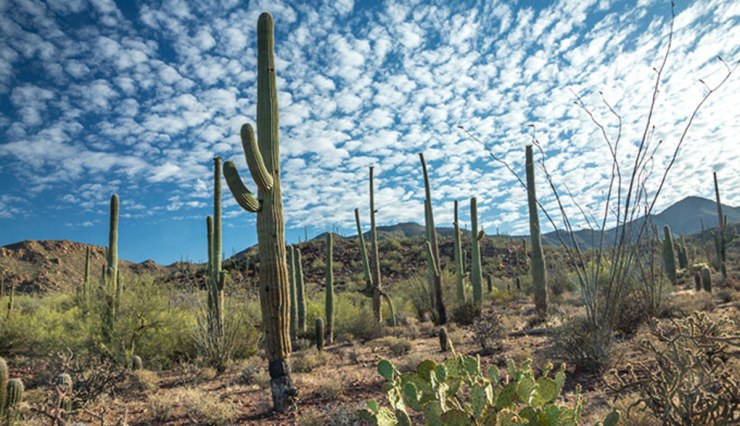

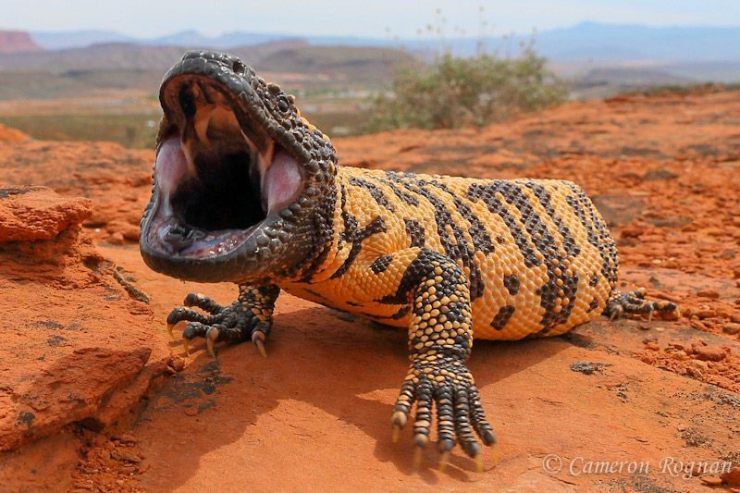
For much of the year, these deserts were portrayed in many movies as an inhospitable environment seemingly empty, but in fact, it can claim one of the greatest diversity of vegetation of any desert in the world, as well wildlife. It has, for example almost 69 species of reptiles, including the legendary Gila Monster. The Sonoran Desert ecoregion covers 223,000 square kilometres, that include a large part of southern California and Arizona as well as the western part of the Mexican state of Sonora and much of upper Baja California. Part of this desert includes Death Valley where high summer temperatures can exceed 55C.

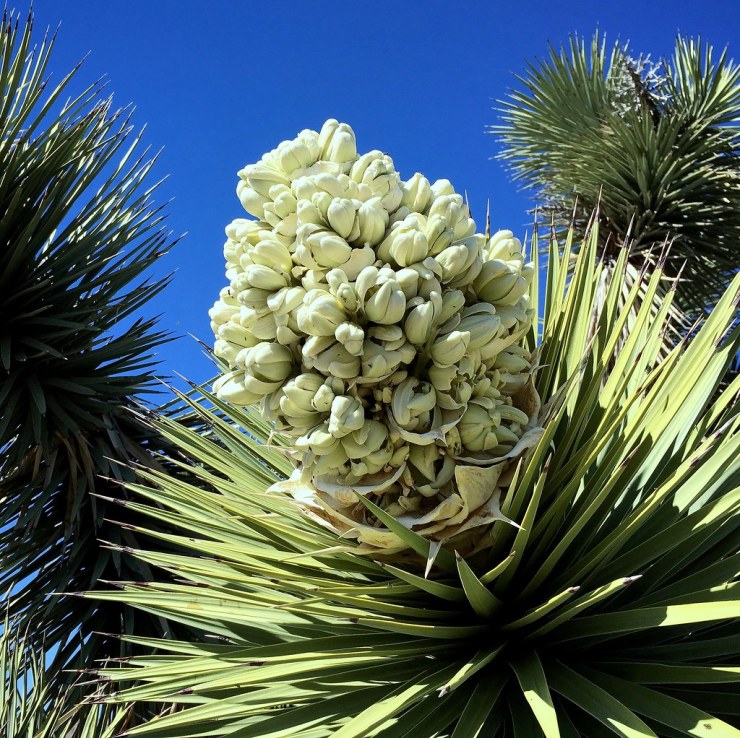
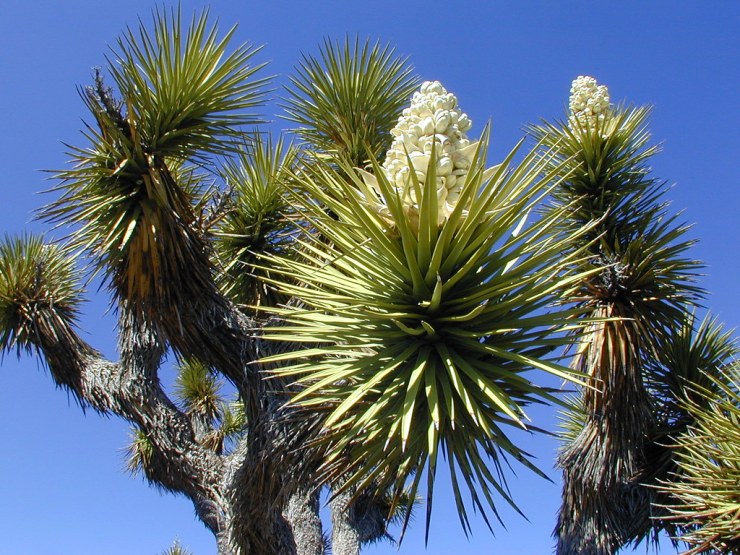
Mojave is the place where the celebrated Joshua Tree grows. These impressive trees with their shaggy limbs strike a spectacular pose across the landscape. A type of yucca, Joshua Tree is the largest member of their family and mature specimens can reach heights of 15 metres or more and live to be at least 300 years old. They were given their English name by Mormon pioneers, who saw in the tree’s upward-reaching branches the supplicating arms of the prophet Joshua, guiding them upwards. When conditions are right, the trees flower in spring; seemingly part of the equation is a sharp frost, which scientists believe damages the growing end of branches and by this stimulates flowering. The creamy-white flowers are produced in panicles and their pollination is provided by the Yucca Moth, which spreads pollen while visiting different trees and laying its eggs. Joshua Trees can also reproduce from their roots, a useful asset following devastating fires, for example. One of the best places to see Joshua Trees, which are endemic to the United States, is the Joshua Tree National Monument in the Little San Bernadino Mountains, which separate the Sonoran Desert from the Mojave and are home to wildlife typical of each ecosystem.
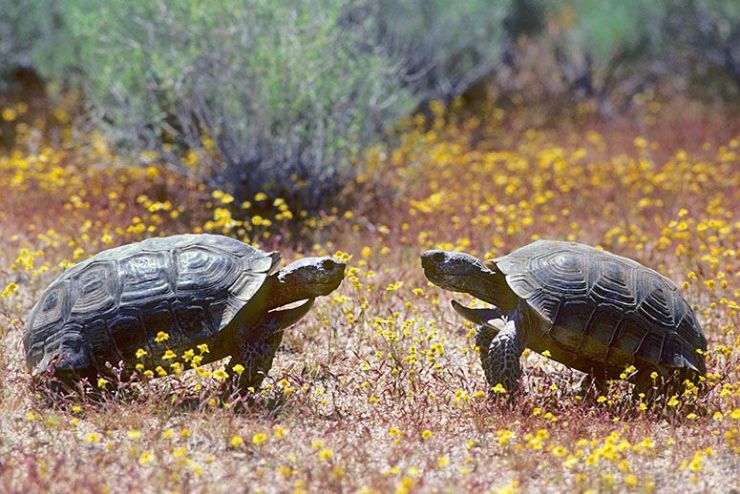
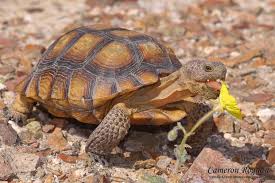
The largest reptile in the Mojave is the Desert Tortoise, a much-declined species but one that still survives here in reasonable numbers. It feeds on a variety of vegetation, from flowers to grasses and cacti. Desert Tortoises can survive up to a year without drinking, deriving moisture from the vegetation they eat. Their strong front claws enable them to dig hibernation chambers and in summer, shallow burrows where they escape the intense heat.
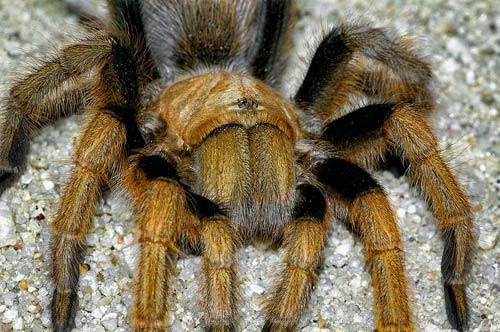
The Mojave is also home to the largest desert spider, the Desert Tarantula. It reaches a total span of 10cm, and the tarantula is a fearsome sight, but it is not easy to come across one as they are shy and retiring creatures, usually only emerging from their burrows at dusk in search of prey such as grasshoppers, beetles, and small rodents. Their hunting methods are different from other spiders as they chase down their prey as opposed to the ‘sit-and-grab’ method. They like to burrow into soil crevices around the Joshua Trees – their favourite habitat. Although tarantulas will bite humans only when greatly provoked, their bite can be painful and a too-close encounter is best avoided.
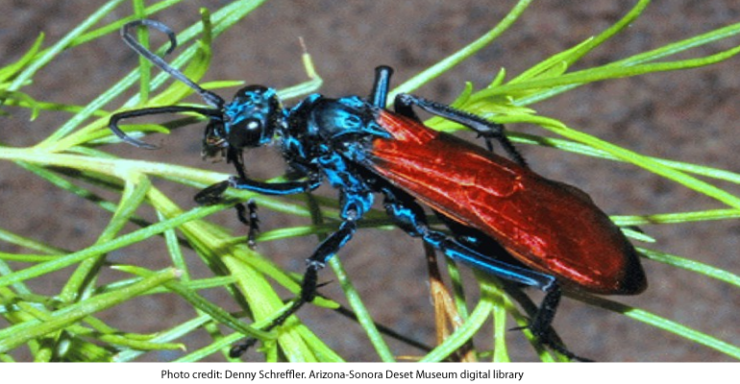
Interestingly, the tarantula is itself prey to a remarkable group of insects, the Tarantula Hawk Wasp. The female wasps seek out tarantulas as host for their larvae in what is an extraordinary, if not rather macabre, process. They locate the spiders by smell, entering occupied burrows to lure out the resident and then sting it. The tarantula is quickly paralysed by the wasp’s venom, soon becoming comatose; the wasp then drags it to a hole, lays a single egg on its body and then covers the spider with soil, leaving only a small entrance; it may even reuse the spider’s own burrow for this purpose. The egg later hatches and the wasp larva then feeds on the living body on an incapacitated spider, before finally emerging through the entrance as an adult wasp.
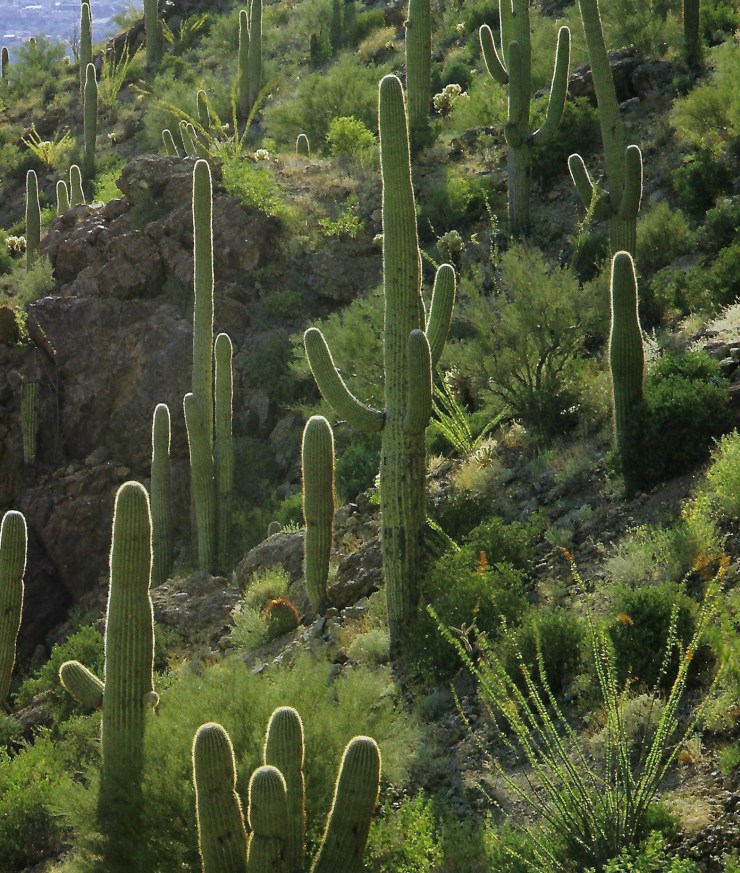
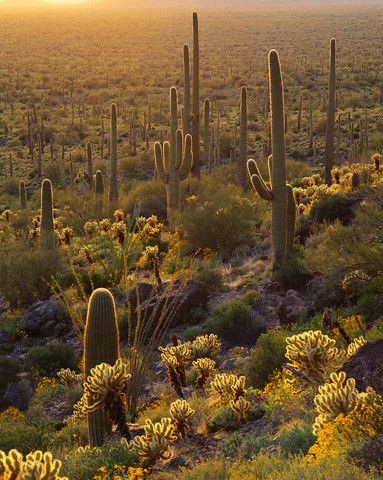 The warm, rocky slopes of Saguaro are home to the Saguaro cactus, which thrives here, and are one of the most biodiverse ecosystems, surrounded by a wide range of plants and wildlife. The beautiful Saguaro flowers open only for a few hours. By first light, after their nocturnal blooming, bees and other pollinators are delighted with the rich pollen supplies. By early afternoon the blooms have already started to wither.
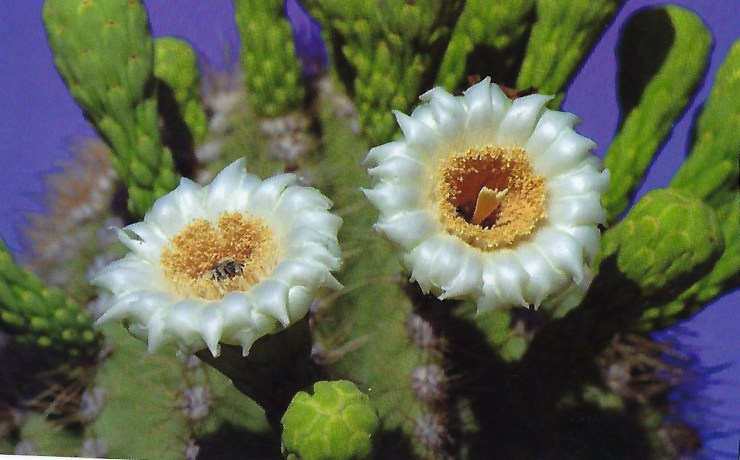
The Sonoran Desert is renowned for its cacti and other succulents, but one species stand out as a familiar symbol of the desert ecosystem: the Saguaro or Arizona Giant Cactus. The Saguaro is a slow-growing but potentially large plant. After a few decades, it can attain 10 or even 15 metres in height. The oldest Saguaro may be 200 years old, with a girth of 3 metres plus, and carrying thirty or forty ‘arms’. Those limbs-branches contribute to the tree’s sculptural and anthropomorphic character. Saguaro has a single trunk which, together with the limbs, forms a central component in this plant’s impressive water-storing capacity. The structure of the plant is essentially a robust cylinder of wooden rods surrounded by absorbent pulpy tissue and encased in an outer skin made of ribs and grooves, giving it a fluted appearance. As the skin expands, it allows the Saguaro to absorb water and then retain it within the pulpy tissue. The bigger the plant, the more water it can store, and therefore it is more able to withstand periods of severe drought, and can visibly increase its size after rainfall. When they are ‘full’ the skin appears less fluted, and once fully charged with water, a Saguaro can survive for several years before needing to refill.

Late spring is Saguaro flowering season. Each of the creamy-white flowers will bloom for only a few hours, opening and closing in response to heat. The flowers comprise a garland of petals attached to a tube ten centimetres long, in the bottom of which is rich nectar. Each flower will start to bloom after dusk and will usually be fully open by midnight. This attracts a range of creatures which by reaching into the flower to get to the nectar will then pollinate it. The first to visit at night are bats and flying insects before diurnal pollinators take over at sunrise. By noon the flowers begin to close and die off, subsequently forming a red fruit which is a popular food for many types of desert wildlife.
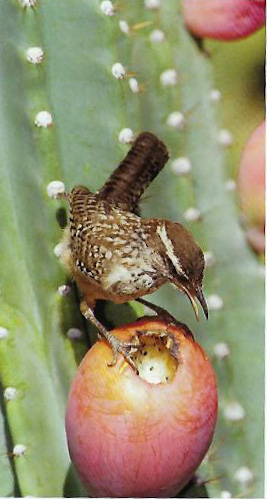
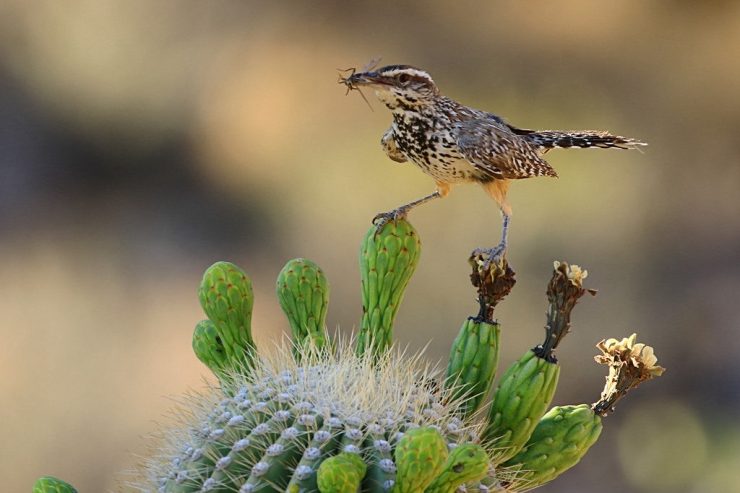
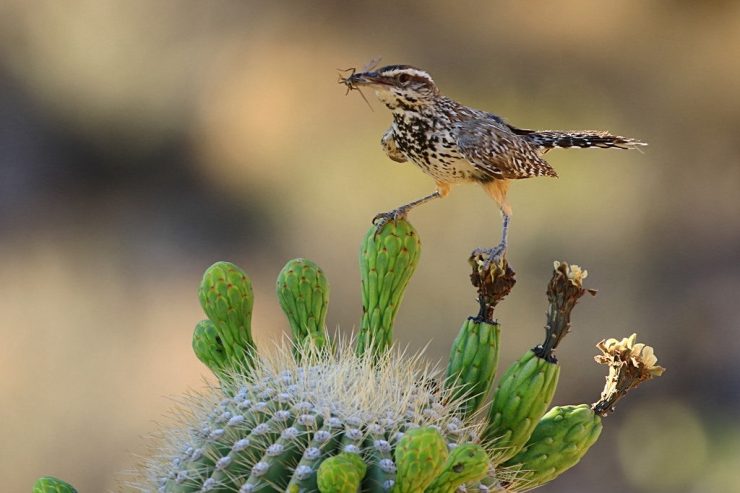
The Cactus Wren lives mainly on insects, but takes advantage of the Saguaro seasonal fruit. It also nests in Saguaro, building its nest in existing holes or a dense clump of spines.

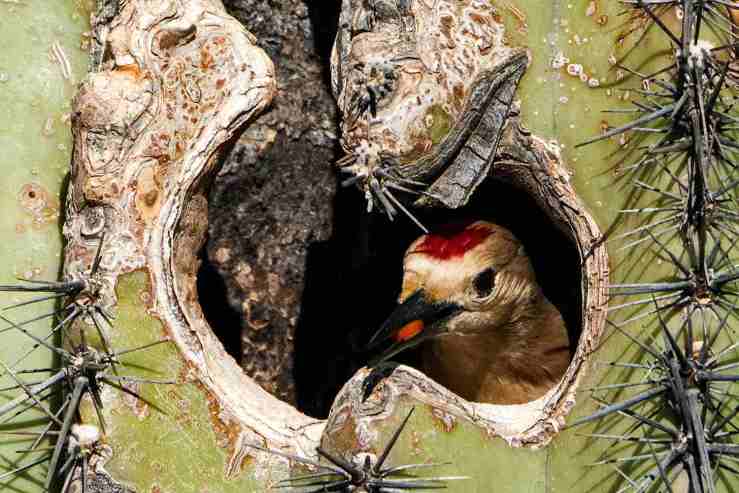
A common sight around Saguaro cacti is the Gila Woodpecker which uses the same nest holes for several years. Newly excavated nest holes are not used straight away as the woodpecker must wait for the sap to harden before moving in.
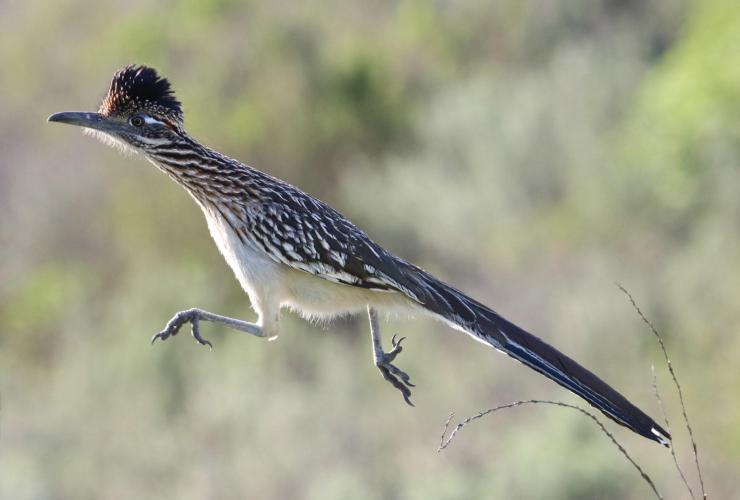
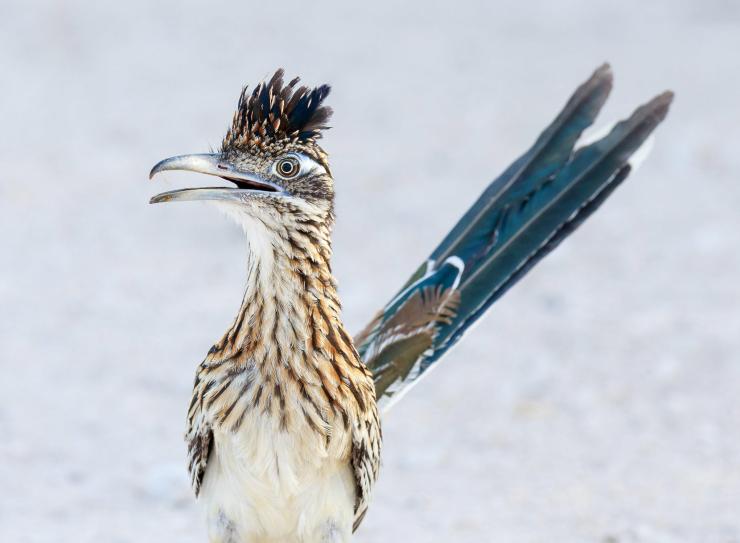
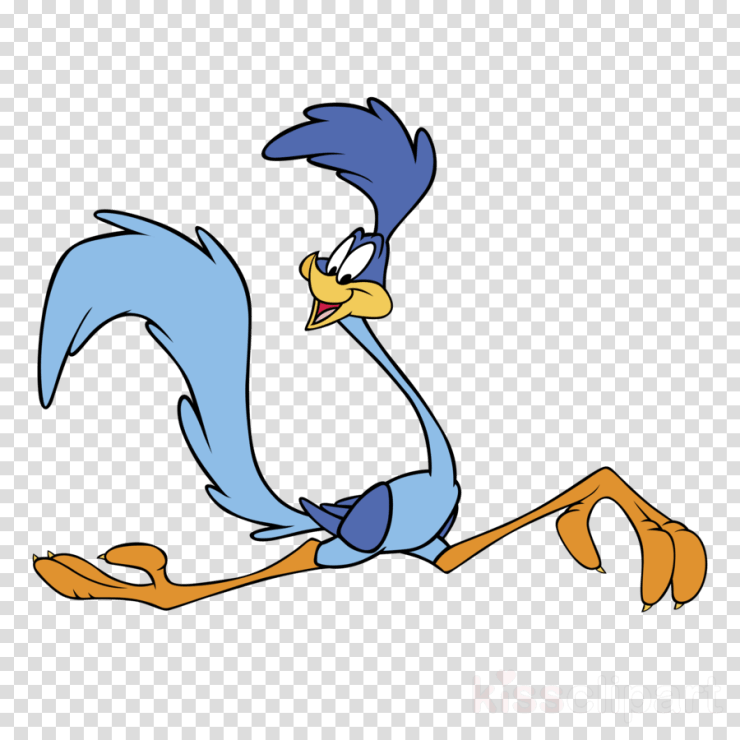
Perhaps, the most iconic American desert bird is the Greater Roadrunner which is a member of the cuckoo family and can run at speeds up to 32 km/hr. He isn’t a fussy eater and dines on anything to hand, including insects, small birds, mammals, and reptiles. Loony Tunes saw the comic potential in the Roadrunner’s antics and the bird was featured in many comics to the delight of children and adults everywhere.
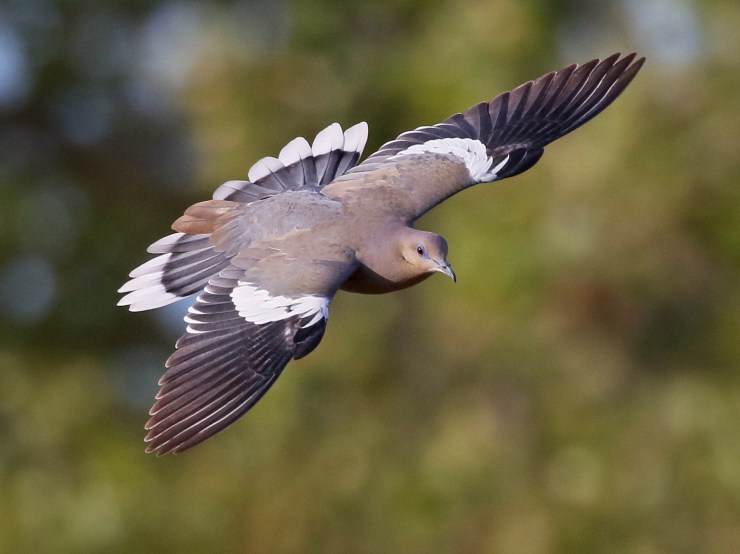
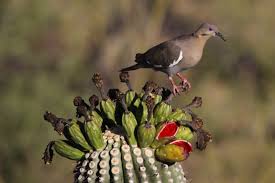
Several desert bird species enjoy a strong ecological association with the Saguaro, including Gila Woodpecker, Gilded Flicker, and White-winged Dove. The first two species excavate nest sites inside the cactus, drilling through the outer skin and layer of pulp into the internal cylindrical structure, where they then peck out a cavity. This can leave Saguaros literally peppered with holes, and sometimes with big gaping wounds; yet they rarely cause serious problems for the plant, which is able to seal off any exposed water-storing tissue. Meanwhile, the largely migratory White-winged Dove is one of the Saguaro’s most important pollinators, feeding extensively on the plant’s flower pollen, nectar, fruit and seeds. So close is the relationship that the dove times its arrival in the Sonoran Desert with the Saguaro’s flowering season.
Despite being protected by law, smaller Saguaros are vulnerable to theft and large ones to vandalism, although sometimes they do strike back. There is at least one documented incident of a large Saguaro being shot at repeatedly by a man with a rifle, only for the damaged plant to then collapse on top of its assailant, killing him. Development and projects such as road-building and suburban sprawl have also taken their toll on this magnificent plant. One of the best places to see Saguaro in their full sculpted glory is the Saguaro National Park near Tucson, Arizona. The existence of such a remarkable relationship underlines the complex connections of the natural world and the urgent need to protect the wider landscapes and wildlife of the Mojave and Sonoran Deserts. They are highly vulnerable to growing pressure, including a rapidly expanding human population that needs the land and water resources, the encroachment of agriculture, as well as certain aspects of tourism, particularly uncontrolled off-road driving which can be disastrous for desert plants and wildlife.
Like many other desert reptiles, the Gila Monster only emerges to hunt in the cool of the night. Slow-moving and unaggressive, it is one of the world’s two species of venomous lizard, subduing its prey with venom delivered from grooves in its teeth.
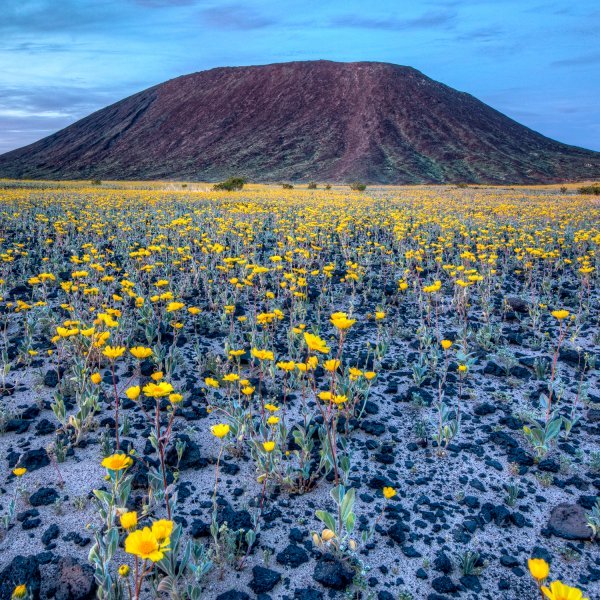
The flowers of the desert spread after winter rains. Spring blooming annuals have to germinate, bloom and set seeds within a short season; their seeds then wait in the ground for the rain to return.

 naturetails
The desert is always wonderful. On our visits to the Southwest I’ve been able to see saguaros (multiple times) and Joshua trees (on two trips), but other things in your post have eluded me, like the desert tortoise and gila monster. Roadrunners and several species of yucca inhabit central Texas, so no long trips are needed.
LikeLike
Such lovely images of an incredible landscape.
LikeLike
Thank you, Steve, for your interesting comments! Your thoughts are much appreciated!
Joanna
LikeLike
Thank you, Dorothy, for your kind comments, much appreciated!
Joanna
LikeLiked by 1 person
Though we have seen glimpses of this amazing landscape in many westerns, your post allows us to look at it closely. Some great photos and as always very interesting write up, Joanna.
This is your birthday week, isn’t it! Wishing you a very happy birthday and happy Valentine’s day too. 💞
LikeLike
Thank you so much, Punam, for your wonderful comments! Thank you for your beautiful birthday wishes, and Happy Valentine’s Day to you, Punam, too! You are much appreciated!
Joanna x
LikeLiked by 1 person
You are very welcome, Joanna. You too are appreciated and thank you.
LikeLike
Thank you, Punam!
Joanna
LikeLiked by 1 person
The dessert of the Southwest is indeed wonderful and full of beautiful plants and creatures. I think, a lifetime ago, there was a Disney film called The Living Dessert? I remember being very impressed by it. You lovely selection of photographs brings it back. I never got to the parts you write about but I drove extensively in Utah and parts of Nevada, Arizona and New Mexico which were captivating. Luckily I did not encounter a Gila monster or a tarantula. I have come a long way with my fear of spiders and I even appreciate them – but not anywhere near me! Thank you for this delight Joanna.
LikeLike
Thank you so much for sharing another of your fabulous articles, dear Joanna !
I found it engaging, rich and varied, with fabulous images and, as always, I was completely fascinated by it.
LikeLike
Deserts are such fascinating landscapes and hold so much life. Incredible! Thank you, Joanna, and happy Valentine’s Day. 💌💐🤗🌹💓
LikeLike
Thank you, Carolyn, for your wonderful comments! I know you will feel in your element in the desert as you love nature. I love spiders but not this size!
Joanna
LikeLiked by 1 person
Thank you, Ashley, for your lovely comments! Your thoughts are greatly appreciated!
Joanna
LikeLike
Thank you so much, dear Luisa, for your wonderful comments! Your thoughts are greatly appreciated!
Joanna x
LikeLiked by 1 person
You’re more than welcome, my dear friend 💞
LikeLike
Fine article. I’ve seen the Roadrunner in Looney Tunes animated cartoons. But I guess I didn’t realize the bird exists in Nature.
LikeLike
Thank you, Neil, for your lovely comments! Now you can see that Nature inspires cartoon makers!
Joanna
LikeLiked by 1 person
Thank you, Luisa!
Joanna xx
LikeLiked by 1 person
Great post — very interesting info and great photos. And yes, filmgoers have seen them, but nothing beats seeing them “for real.”
LikeLike
Thank you, Diana, for your thoughtful comments! I wholly agree you!
Joanna
LikeLiked by 1 person
Fabulous, Joanna! Thank you for highlighting the region’s diversity and beauty! 🌵
LikeLike
Thank you, Michele, for your lovely comments which are much appreciated!
Joanna
LikeLiked by 1 person
You’re very welcome! Kind regards. 🏜️
LikeLike
Thank you!
Joanna
LikeLiked by 1 person
Deserts, more than any other landscape, really demonstrate the tenacity and adaptability of life. Thanks, Joanna, for the eautiful pics and fascinating facts!
LikeLike
Thank you, Harini, for your thoughtful comments! You are right about the beauty and diversity of deserts, which is why I wrote about every desert and its wildlife on this planet.
Joanna
LikeLiked by 1 person
🙏💝🙏
LikeLike
What an amazing post.
I must spend some time reading and knowing the things written beautifully with lots of lively pictures.
Thanks for sharing.
Regards🙏
Arun
LikeLike
Thank you, Arun, for your kind comments which are much appreciated.
Joanna
LikeLiked by 1 person
The desert is very interesting. Thank you for sharing so many details. I’ve never been interested in deserts, so eye opening, great photos.
LikeLike
Thank you, Monica, for your kind comments which are greatly appreciated!
Joanna
LikeLiked by 1 person
You are always welcome Joanna.
Regards 🙏
LikeLike
Thank you, Joanna, for another fascinating post on the deserts of America. Your vivid descriptions make me envision the beauty of these landscapes, with their diverse vegetation and wildlife, so often depicted in movies.
The Saguaro cactus and Joshua tree play a crucial role in supporting wildlife, providing shelter in dense cactus habitats for both animals and birds. The Saguaro’s longevity and impressive water-storing ability are remarkable, as is its adaptation of spines instead of leaves to reduce transpiration. I can only imagine the stunning sight of Gila woodpeckers around these towering cacti. Your insights into the Joshua tree and its unique pollination by the Yucca Moth were especially intriguing.
The adaptability of the Mojave Desert tortoise in water-scarce conditions is truly impressive. I also found the hunting techniques of the Desert Tarantula fascinating, particularly how they, in turn, become prey to other insects. The role of female wasps in using tarantulas for egg-laying is a brilliant example of nature’s ingenuity.
Your description of Saguaro flowers blooming and transforming into fruit was equally captivating. The stories of the white-winged dove and the Gila monster added further depth to the narrative. The images were seamlessly integrated, enhancing the reading experience. Thank you once again, Joanna, for this engaging and informative post!
LikeLike
Thank you so much, Kaushal, for your wonderfully analytical comments! You are right in praising Nature’s ingenuity as this is what makes me wonder how lucky we are on this planet. After I complete Americas, I will publish the desert of India, and knowing that you are such an expert on the subject, I will learn more.
Thank you again, Kaushal, your kind words are deeply appreciated!
Joanna
LikeLiked by 1 person
I’m not an expert, Joanna, but I love to read and appreciate the nature’s bounty. You’re welcome, always!
LikeLike
You are far too modest, Kaushal! There is nothing that you don’t know about India!
Joanna
LikeLike
That’s so very kind! Thank you so much, Joanna!
LikeLike
You are more than welcome, Kaushal! I am only stating the facts!
Joanna
LikeLiked by 1 person
Your wonderfully presented post with great images of fascinating landscapes& animals/plants is a treat to the eyes! It was beautifully complemented by amazing facts/ descriptions of desert wildlife! Thanks for sharing such a captivating post, Joanna 🙏
LikeLike
Thank you, Dhirendra, for your wonderful comments which are greatly appreciated! Nature is the greatest wonder on this planet!
Joanna
LikeLiked by 1 person
You are quite right in saying that nature is a great wonder on this earth 🙏
LikeLike
Thank you, Dhirendra, I knew you thought the same writing so beautifully about the sanctuary.
Joanna
LikeLiked by 1 person
Joanna! I simply wrote whatever I could see at the sanctuary but as the proverb goes “Beauty is in the eye of the beholder,” which means beauty doesn’t exist on its own but is created by the observer!And that’s why you found the sanctuary beautiful!Namaste 🙏
LikeLike
You are too modest, Dhirendra! Your writing is beautiful and inspiring no matter who reads it, as we all agree judging by your readers’ comments! Namaste!
Joanna
LikeLiked by 1 person
Thank you so much!That’s a huge statement & boost for me, Joanna! Wish my readers keep encouraging me ever! 🙏
LikeLike
We will, Dhirendra! Just keep on writing!
Joanna
LikeLiked by 1 person
🙏
LikeLike
Lovely photos and interesting information.
LikeLike
Thank you, LuAnne, for your kind comments much appreciated!
Joanna
LikeLike
It’s such an amazing post, as usual.
LikeLiked by 1 person