The Atacama, the Driest Place on Earth
The coastal strip south of Chile and Peru, extending over 1,500 kilometres in total and to a width of 180 kilometres, is where the Atacama Desert forms a complex of arid lands. The extreme aridity of the region is the result of the offshore Humboldt Current, which draws cold water from the much cooler latitudes to the south. The cold water overrides the warm tropical ocean, causing a thermal and a reduction in evaporation, which means less rainfall. Instead, this creates places of intense fog, which allows the most resilient of plants and animals to survive. Actual rainfall is rare to non-existent, and when it arrives it is in the form of sudden, heavy and short downpours that do little to change the area’s decidedly lunar-looking appearance.
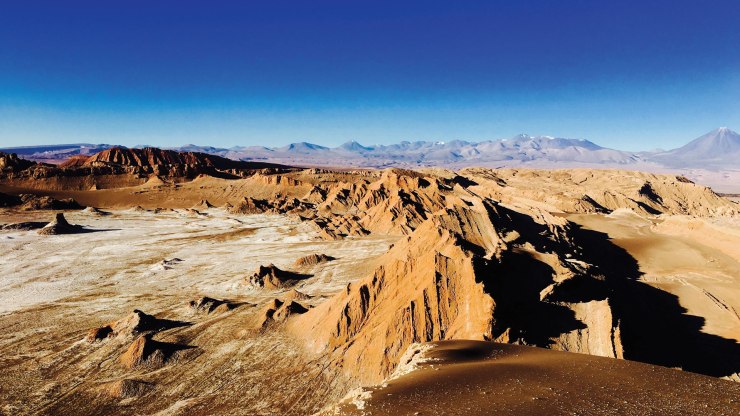
Part of the Atacama Desert lies slightly inland, having the mountain range of Cordillera de la Costa on one side and to the west the foothills of the Andes, which exacerbates the aridity even further by an acute rain shadow effect. Some parts of this extraordinary landscape haven’t received rainfall in hundreds of years, the ground is completely dry and barren, incapable of supporting even the most basic of vegetation. Fortunately, the cold offshore currents produce in other parts regular mists and fogs. These give just enough moisture to sustain life in the arid Atacama coastal belt. The sea here teems with life, which attracts large numbers of birds and marine mammals.
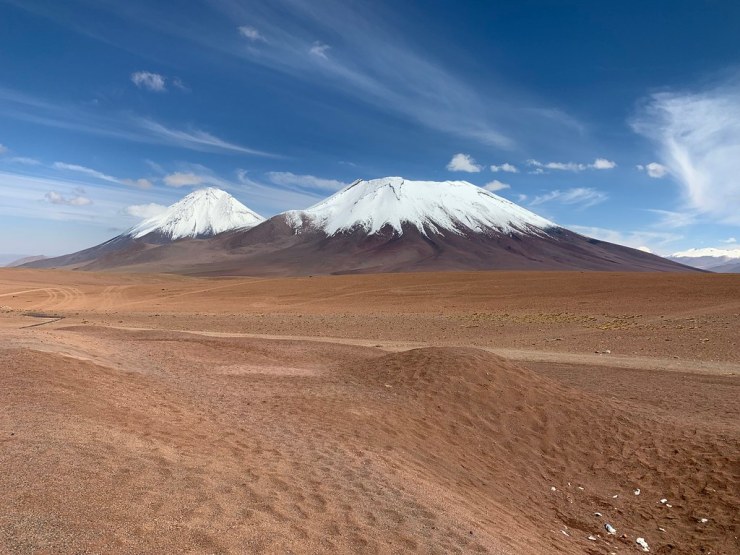
In the wider Atacama, the most biodiverse habitat occurs on the small bluffs or hills known as Lomas, on which moisture from fog collects, as well as along the few river valleys and in places where underground water is close enough to the surface to sustain plants. The nature of the Atacama landscape is dictated by the tumultuous volcanic activity that has shaped the region’s topography over many millennia. This process continues to this day, with the desert set against a spectacular and dramatic backdrop of snow-capped volcanoes, many of which are still active. Deeply incised canyons, gorges, erosional sands, and gravels predominate, as well as vast areas of salt-encrusted pans. The few watercourses that struggle through this extreme landscape almost invariably succumb to evaporation or sink into the sand, salt, and rock.

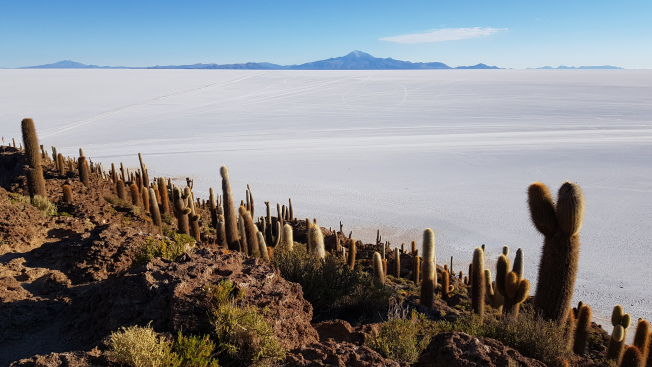
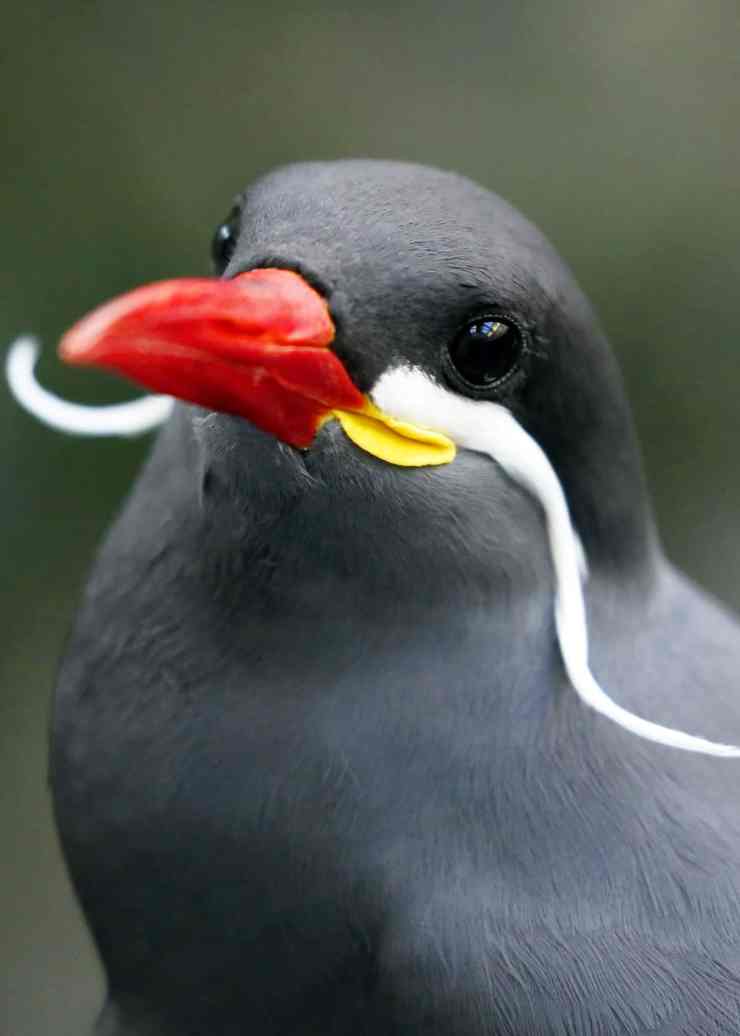
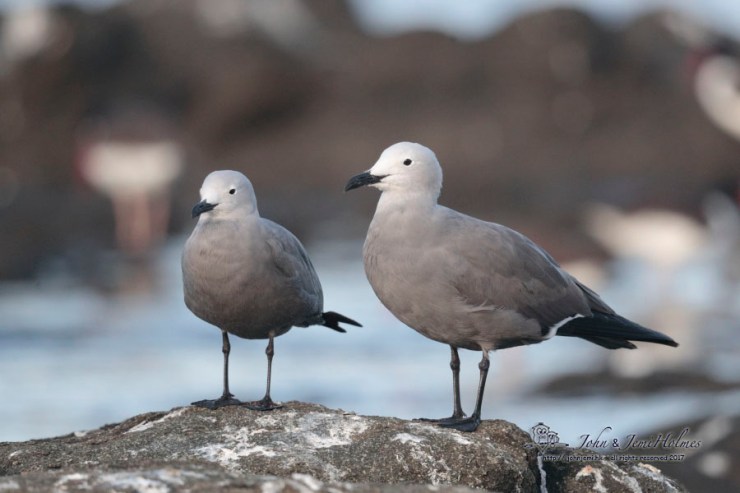
Conditions are so extreme that the Atacama vegetation is highly restricted. The Giant Cactus is a signature plant of the Atacama. When entering a grove of mature specimens, the effect is similar to being in a cathedral. The greatest number and variety of plants can be found in the ‘fog-zone’. Here shrubs and woody vegetation can grow, along with mosses and lichens. There are some 60 varieties of cacti, with most of them being endemic to the region. As with plants, the same situation exists with wildlife. Among the most unlikely is the seasonal presence of the Grey Gull, which for much of the year is a coastal-dweller, occurring along the coastline of Chile, Peru, and Ecuador. Every spring, the birds head inland to their traditional nesting sites in the Atacama, as far as 70 kilometres inland. The females each lay between one and three eggs in a simple scrape on the ground. The heat is so intense here that one of the parent birds must remain with the chicks at all times to shield them from the sun. The other parent will make the long journey to the coast, where it will feed intensively, and then return, usually after darkness – it locates its mate via call recognition – to regurgitate the partly-digested fish for the young. The next day the other parent bird will make the journey, on an alternative shift until the chicks fledge and then accompany their parents on the flight back to the coast. Grey Gulls are the slowest growing of all gull species and do not fledge until they are almost six weeks old. Much remains to be discovered about this enigmatic bird.

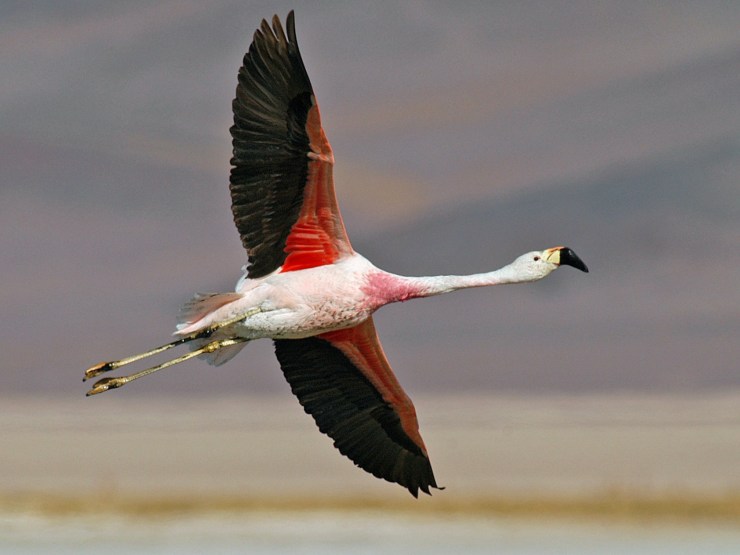
As far as the flamingos are concerned, the numbers of each species vary from year to year, but the overall trend appears to be downwards. Breeding success varies hugely, and evidence suggests that at certain sites the flamingos are losing out to increasingly intrusive human activity. At Salar de Punta Negra, for example, a key nesting site for the Andean Flamingos, the excessive plundering of subterranean water for a huge copper mine nearby has led to the drying up of wetlands on which the flamingos depend. As a result, thousands of Andean Flamingos abandoned their nests, with some 2,000 eggs failing to hatch. No young birds were reared. In other cases, the exceptionally hot summers may have caused salinity levels on the salt pans to rise, thereby killing off the micro-algae on which the birds feed, and they were forced to leave.

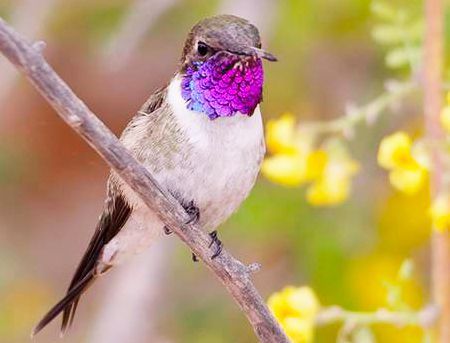
Notable land birds in the Atacama and associated arid regions include the tiny Chilean Woodstar, a species of hummingbird that can be seen only in a handful of desert valleys in northern Chile and Peru. This highly localised bird reaches a total of 7.5 centimetres and has a total population of little more than one thousand. It appears to be in decline, mainly as a result of habitat destruction as its preferred shrub is removed to make way for agriculture.

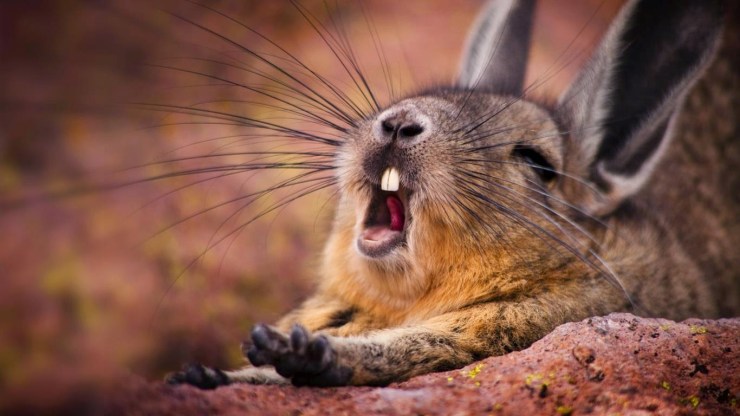
Mammals in the Atacama are few and far between, and mainly restricted to small rodents. One of these is the Mountain Viscacha, that resembles a long-tailed rabbit. It is a social animal that often lives in large colonies. In the morning they will emerge from the rock crevices and cavities in which they live and bask in the sun, before moving around in search of grazing.

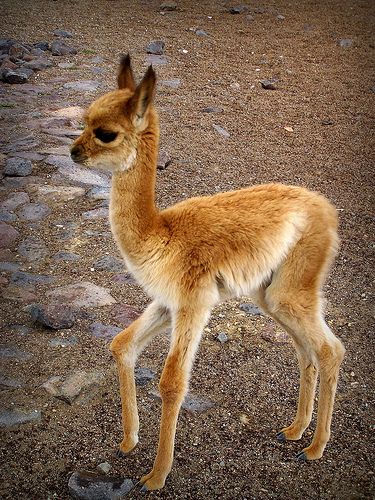
The larger species of mammals include the Guanaco which is a wild relative of the alpaca and llama. Guanaco is a flexible and adaptable species capable of thriving in a wide range of habitats, from desert grassland through to forest and at altitudes from sea level to as high as 4,000 metres or more. While most of the population is largely sedentary, those living at a higher altitude may undertake seasonal migration to avoid harsh weather.
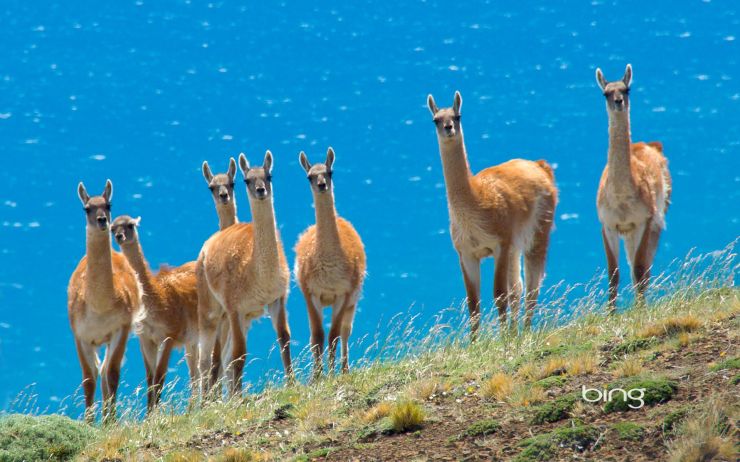
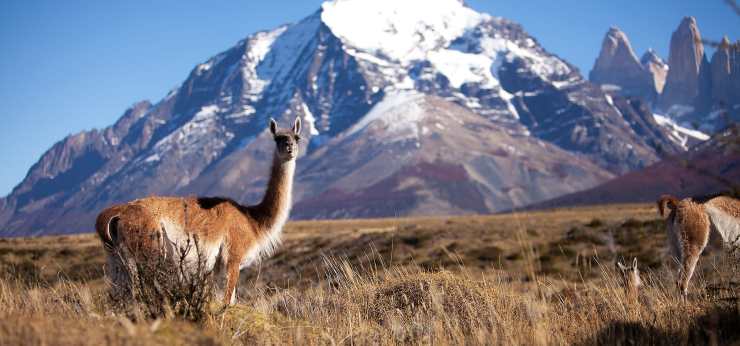
One of the most productive areas for wildlife in the Atacama region is the Pan de Azucar National Park. Established in 1985, the park covers only a little over 400 square kilometres of dramatic coastal and inland desert but contains some of the highest levels of biodiversity in the region. Mammals that can be seen here include Guanaco, as well as Andean Fox, Chilla or South American Grey Fox, and Mountain Viscacha. Of particular interest along the shoreline is the Marine Otter, a little known species which was hunted to virtual extinction during the twentieth century for its pelt and as a result of persecution by fishermen. Numbers are now slowly recovering but this remains a scarce and elusive animal. Marine Otter is considerably smaller than the better known Sea Otter which is restricted to North America, and is less gregarious, usually moving around singly, or very occasionally, in groups of up to four. Much easier to see are South American Sea Lions, of which there is a large colony on the Pan de Azucar island offshore.

Widespread and common on both sides of the Andes, the Chilla or Grey Fox appears to be at home in a variety of habitats, from desert to thick scrub. Hunting by both day and night, it lives largely on rodents and is a frequently encountered predator.
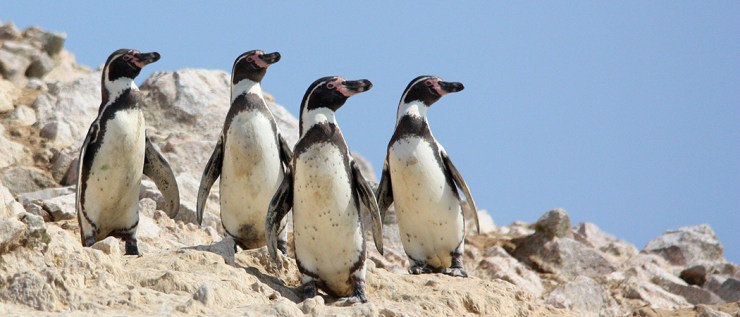
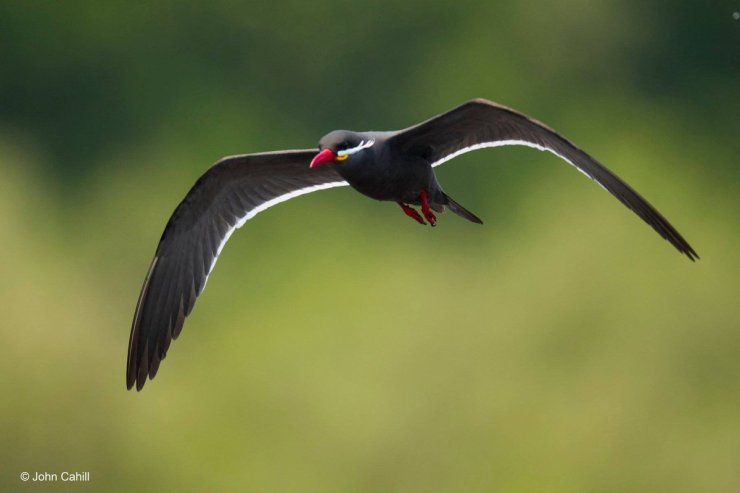
Birdlife in the park is especially rich, particularly on the islands. Here there is an important breeding colony of Humboldt Penguins, as well as many other species such as Peruvian Pelican, Peruvian Booby, and Inca Tern. Such a concentration of sea birds is made possible by the presence of the food-rich Humboldt Current, which is probably the richest marine ecosystem in the world. However, every so often the current is disrupted by the phenomenon known as El Nino when the upwelling that is responsible for the profusion of marine creatures on which the seabirds depend stalls or even reverses. Fish stocks can subsequently plummet, and the seabirds population crashes.



 naturetails
fascinating! thanks for the vividness of your sharing👍🏼❤️
LikeLike
Thank you for your wonderful comments which are greatly appreciated!
Joanna x
LikeLiked by 1 person
That is a most glamorous bird, though I find all of them quite lovely. The animals too and it is so sad that their numbers dwindle because of human behaviour. We must be grateful to have knowledge of them at all, I suppose, as one wonders how many other incredible species were lost before we ever came to discover them. Thank you for posting these lovely images and the interesting information about them.
LikeLike
Thank you, Carolyn, for your thoughtful comments! I agree that we cause environmental damage, and that is why I am writing about wildlife to share their beauty before we lose more. Remember Dodo?
Joanna
LikeLike
Fabulous article. I hadn’t heard of this desert before. Reading your piece brought to mind a book I read a long time ago: In Patagonia, by Bruce Chatwin. It’s very good.
LikeLike
Thank you, Neil, for your wonderful comments! Thank you for the book’s information, I will try to find it.
Joanna
LikeLiked by 1 person
What gorgeous animals, Joanna! Thank you for posting about this fascinating area. 💕
For about 100 years, the American flamingo was absent in the wild in Florida. Flamingos reappeared about twenty years ago in the Southernmost part of Everglades National Park. My daughters and I hope to visit them there this spring.
LikeLike
Oh Joanna, these animals are amazing. Great research on them and their habitats. I love your fun facts about life in the Atacama Desert! 🦅🌵🌞 Thanks a million for sharing my friend. Cheers! 😍💖😘
LikeLike
Your article on Atacama is outstanding!I
particularly enjoyed the
aspect, e.g., ‘the stunning landscapes’ or ‘the
Unique wildlife’]. Your writing style is engaging
and your photos are breathtaking. Well done!”
LikeLike
Wrongly posted Joanna plz delete that comment
LikeLike
Joanna, I really appreciate your detailed research on Atacama and the conditions there.Your writing skills gave us an incredible information about the life in the Atacama desert.Thanks for sharing those beautiful pictures and a wonderful post.And Sorry about the wrongly posted comment above.plz delete that one.
LikeLiked by 1 person
Thank you, Prafulla, for your wonderfully descriptive comments—they are much appreciated! At some point, I will write about the deserts and wildlife of India.
Joanna
LikeLiked by 1 person
Thank you again, Prafulla, your kindness made my day!
Joanna
LikeLiked by 1 person
Joanna delete the first comment plz
LikeLike
I did, Prafulla! I hope it was the one you wanted but I liked all your comments! Thank you!
Joanna
LikeLiked by 1 person
😊
LikeLike
Have a Wonderful Valentines week,lots of love ❤️ 😍
LikeLike
Thank you!
Joanna x
LikeLiked by 1 person
Thank you, but as it is my birthday in four days, I will!
Joanna x
LikeLiked by 1 person
I never tire of reading your posts Joanna and this is another gem. I can’t be sure whether you published this one before on your desert series, but even if you did, I don’t remember reading about the Humboldt Nature Reserve which sounds fabulous. I absolutely love the images to accompany your pearls of wisdom and I see that it’s your birthday soon, so I hope you have a lovely day – and I’m already looking forward to your next post.
LikeLike
Thank you, Malc, for your wonderful comments! This is part 1 of 3 posts on The Desert Wildlife of Americas so you will have more to enjoy. Thank you for your birthday wishes!
Joanna
LikeLiked by 1 person
Your welcome Joanna!
LikeLike
A very informative post with amazing photos.
LikeLike
Thank you, Sadje, for your kind comments which are much appreciated.
Joanna
LikeLiked by 1 person
Fabulous pictures and interesting information!
LikeLike
You’re very welcome Joanna
LikeLike
Thank you, Indira, for your wonderful comments! Your kind words are greatly appreciated!
Joanna
LikeLiked by 1 person
Thank you!
Joanna
LikeLiked by 1 person
You’re welcome
LikeLike
Thank you, Joanna, for continuing your series on the world’s famous deserts. The Atacama Desert, known as the driest non-polar desert on Earth, receives minimal annual rainfall. Despite its arid conditions, life thrives here, thanks to the dense fog generated by cold offshore currents. This phenomenon sustains various species, attracting birds and marine mammals to the region.
The story of the Grey Gulls is particularly fascinating, especially how they feed their young. Equally intriguing are the Mountain Viscacha and Guanaco. However, the plight of Flamingos is disheartening, as extensive copper and mineral mining pose serious environmental threats.
Given the adverse climate, the Giant Cactus stands as a signature plant of the region, as you said. The Pan de Azúcar National Park, rich in biodiversity, is truly remarkable. The contrast of snow-capped volcanoes against the arid desert landscape, as depicted in one of your pictures, must be a breathtaking sight.
Interestingly, I had read that the Atacama’s resemblance to Mars has made it a prime location for Mars expedition simulations. However, to preserve the region’s unique beauty, it is crucial to regulate activities like excessive mining, unregulated fishing, and overgrazing. Thanks again, Joanna, for another insightful post, complete with stunning illustrations, as always.
LikeLike
Thank you so much, Kaushal, for your wonderfully analytical comments! I love your additional information! Thank you for your kind words which are deeply appreciated. This post is part 1 of 3 dedicated to the desert wildlife of the Americas so it will be some time before you read about the desert wildlife of India!
Joanna
PS. I heard that Mr Modi and his Party are being top in the election stakes in Delhi.
LikeLiked by 1 person
I think about the idea of not having rain in a hundred years and it’s beyond amazing.
LikeLike
Thank you, Dorothy, for your interesting comments! The rain is a valuable part of our environment, and we couldn’t be without it.
Joanna
LikeLiked by 1 person
There is so much beauty on this little planet of Earth and without I think we become less! Your wonderful posts should be taken around schools where children may not even know that there is WONDER still to be found on our beautiful home! 💓💌🌹🤗🙋♂️
LikeLike
Thank you, dear Ashley, for your wonderful comments! Your kind words made my day! There are a few more posts that will amase you!
Joanna
LikeLiked by 1 person
What a great place to visit. Have you been there, and if not, do you think you might someday go there?
LikeLike
Thank you, Steve, for your thoughtful comments! I write about places most people will never visit, my research is providing me with the facts that interest my readers. As I covered all deserts on this planet, it would be impossible to see them all or even few.
Joanna
LikeLike
You’re very welcome, Joanna, it’s a pleasure to read your posts. Thank you for giving updates!
You’ve heard it right, Joanna, Modi’s party has registered a bumper victory in the state of Delhi, a great relief for Delhiites.
LikeLike
Thank you, Kaushal, for your beautiful reply! If I were living in India, I would vote for Mr. Modi myself. As always, you are welcome!
Joanna
LikeLiked by 1 person
Thank you, Joanna! India 🇮🇳 is your country.
LikeLike
Thank you, Kaushal, you wrote once that my soul was Indian, and yes, India is my favourite country!
Joanna
LikeLiked by 1 person
How Fascinating! Thanks for sharing!
LikeLike
Thank you, Diana, for your kind comments! Your words are greatly appreciated!
Joanna
LikeLiked by 1 person
Beautiful photos.
LikeLike
Thank you, Monica, for your kind comment, much appreciated.
Joanna
LikeLiked by 1 person
What a treasure trove of interesting information and gorgeous photos. Thanks for sharing, Joanna.
LikeLike
Thank you, Punam, for your wonderful comments, which are greatly appreciated!
Joanna
LikeLiked by 1 person
Thank you for your gifts in sharing this spectacular post, Joanna! Your well captured photos and rich information comes to life here. I appreciate the tour and will be coming back to this again, 💗
LikeLike
Thank you, Cindy, for your wonderful comments! This post is part 1 of 3 on the Wildlife of the Americas so you will have more to enjoy.
Your kind words are greatly appreciated!
Joanna x
LikeLike
Your vivid description of Atacama Desert & the lovely animals is quite fascinating !Your fabulous account of the wildlife & stunning images complement the amazing post! Thanks for sharing,Joanna 🙏
LikeLike