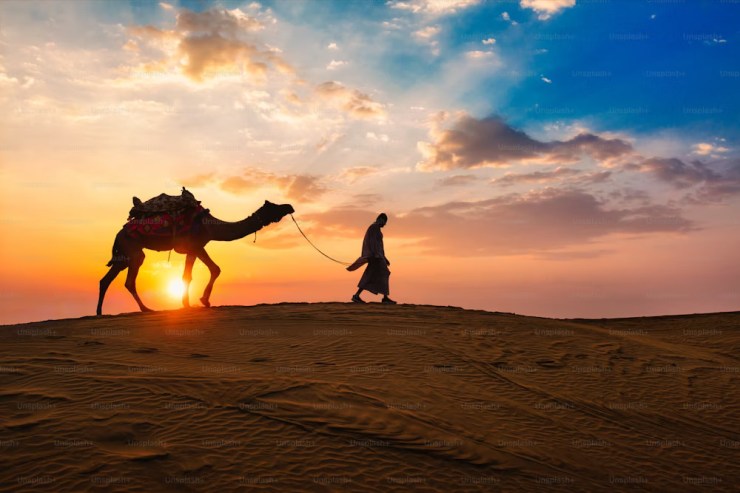
Courtesy of Andrew Reinsma:

This week’s post is a diverting aside into the wonder of camels and desert flora. When I wrote a post ‘Master of the Desert – The Camel’ a while back, I didn’t know of the research station at Al Ain, a city in Abu Dhabi, a Camel Farm in the United Arab Emirates. The technical manager there and also a veterinary Professor is Dr Raziq Kakar, an international camel dairy specialist, who is from Pakistan. Before starting his work here, he travelled to forty-six countries and lived with nomads in mountains and desert sands for his research. Al Ain is home to United Nations Heritage and other archaeological sites from the Bronze and Neolithic ages. Today, it is a city with over half a million residents.
 The pictures above are of the city of Al Ain.


His work on the great attributes of the desert flora, especially the plant Tribulus Terrestris and its connection to the medical properties of camel’s milk, is of great importance. Dr Raziq is devoted to the research of plants, earth, animals, and ecosystems.

This extraordinary plant Tribulus Terrestris grows in many countries worldwide. Because of the plant’s active substances that can be used for curing many disorders, interest in it is increasing, and it is currently one of the most studied medicinal plants. The main biologically active substances in TT are steroidal saponins, flavonoids, alkaloids, and lignan amides, the most studied being the steroidal saponins.
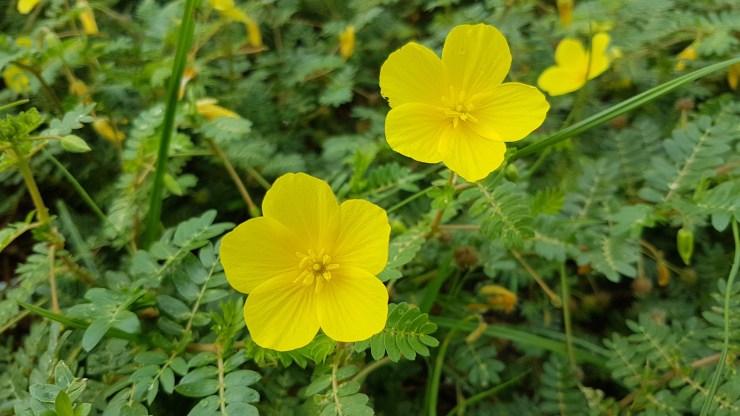
Dr Raziq describes Tribulus as the beauty of the desert whose presence or absence decides the health of the desert fertility. He compares Tribulus to the sun, as its yellow flowers absorb energy from the sun and moisture from the sand and dew. He rightly describes the plant as beautiful and special, as it is resilient to the hardship of the weather changes of the desert.

On his website, Dr Raziq classifies the use of Tribulus; in his words: the plant has medicinal value, directly when used as a herb, and indirectly through camel urine and milk. It is a perennial plant that sprouts in spring. Tribulus is very much liked by camels.

Dr Raziq writes that the camel is a unique gift of nature. And this is an indisputable truth. Camels are extraordinary animals, seemingly created by the desert, and therefore equipped in every way to withstand the harshness of the journeys. Interestingly, when the camel moves, it uses both legs on one side, and in the next movement both legs on the other side. This gives the rider the sensation of being on a ship, and that is why the camel is known as The Ship of the Desert. Without camels, there would be no trade that flourished across the countries bordering the African deserts and Arabic countries. The substantial wealth of various countries, like Mali, Ghana, or Chad to Syria, Iran, Iraq, and beyond, came from transporting salt, called ‘white gold’, textiles, gold, and many other goods. Without camels, this would not have been possible. And yet, they were originally native to the Arabian Peninsula and introduced to Africa around the ninth century BC.

The camel is an example of the perfection of nature’s design. Tall, 7-feet high with the hump, with long legs, he can easily carry a heavy load. The characteristic hump on his back contains fat which is indispensable as a source of energy when there is no food around. As he can drink in one go 40 gallons of water, he can travel a long distance without drinking or eating. The eyes have three eyelids and two rows of eyelashes to prevent sand, even in a sandstorm, entering his eyes. For the same reason, his ears are furry and his nostrils close between two breaths. His even-toed feet don’t sink into the sand because on touching the ground the two toes spread wide, thus allowing the camel to walk unperturbed. Normally docile, when provoked they use their big-lipped snout to spit green gunk from their stomach, and they kick expertly with all four legs. Camel milk is very healthy as it contains less fat than cow’s milk and is rich in iron, vitamins, and minerals. It is now becoming the drink of choice for many people.

Recently, scientists found that camel blood has unusual diminutive antibodies that may be used in fighting cancer. Called nanobodies, their binding can fit into crevices on molecules and remain functional within cells. These are still early stages of the research but nevertheless promising.
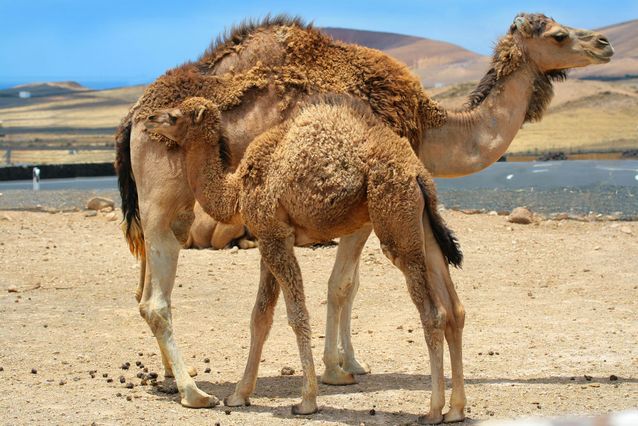
There are two types of camel: the one-humped, smooth-haired dromedary of the desert and two-humped, shaggy coated Bactrian living in Asia. Dr Raziq works with dromedary camels on the farm he manages in the United Arab Emirates.
And here is a picture of a Mongolian Bactrian camel:

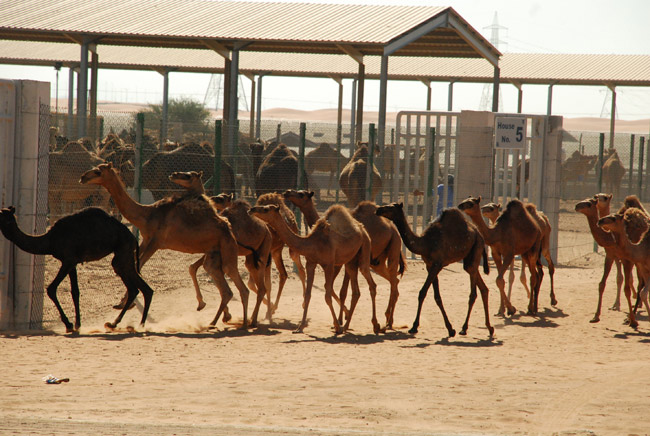
Camel milk has been used for the cure of complex ailments over long periods of history. Now, different scientific studies are being conducted and many are underway to explore the magic powers of camel milk and to find the molecules in camel milk that are materialising the healing of different diseases.

Scientists give some examples of the precious molecules found in camel milk. One of the best examples is the immunoglobulins. The immunoglobulins of camel milk combat autoimmune diseases by strengthening the immune system, and can fight some bacteria like tuberculosis and protect the body from bacterial and viral infections.
They add that camel milk contains various protective proteins and enzymes which have antibacterial and immunological properties that strengthen the antibacterial and antiviral activities. Camel milk is a unique and healthy product with especially anti-allergic and anti-diabetic effects. Several studies have shown that camel milk has some therapeutic potential in both type-1 and type-2 Diabetes mellitus. It is suggested that drinking half a litre of camel milk per day contributes to decreasing fasting blood glucose, HbA1c, and plasma insulin levels in both types of diabetes. The healthy effects of camel milk are attracting increasing attention from consumers and the food industry.
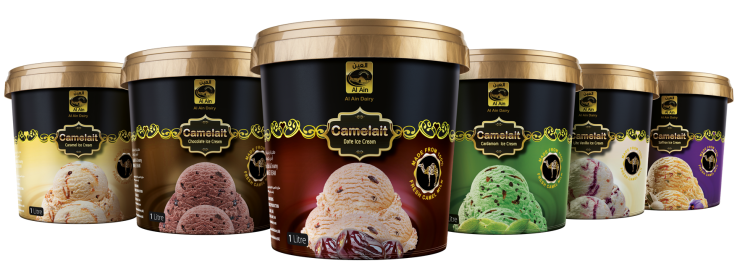
Al Ain Farms specialises in many excellent dairy and other products:
https://www.alainfarms.com/categories/camelait/
Dr Tahereh writes: “Nowadays, the researchers follow other suitable alternative treatments for insulin. Camel milk contains insulin-like proteins, which do not form coagulum in the acidic media of the stomach that can be an effective alternative for insulin. Camel milk improves the glycemic control and decreasing insulin resistance in diabetic conditions. A high amount (about 52 U/L) of insulin is detected in camel milk, and using camel milk with diabetes patients causes a reduction of blood sugar and required insulin dose of about 30%. Daily drinking of camel milk may meet about 60% of the insulin required in diabetic patients. Camel milk improves other aspects related to diabetes such as obesity, inflammation, wound healing, and oxidative stress damage. Therefore, camel milk and some of its effective components influence insulin secretion by their effect on the pancreatic beta cells and insulin receptor function in the insulin-sensitive tissues. Therefore it is a potential therapy for controlling diabetes mellitus 1, high cholesterol level, liver and kidney disease, decreasing oxidative stress, and improving wound healing. Camel milk lactoferrin has immuno-modulatory effects on beta-cells of the pancreas and reduces insulin doses required in diabetes 1 and 2 patients
Obviously, camel milk effects include an effect on insulin receptor function and signaling and glucose transport in the insulin-sensitive tissues, an effect on insulin secretion by the pancreatic b-cells, via the survival, growth, and activity of the pancreatic cells, negative modulation on the glucagon receptor.”
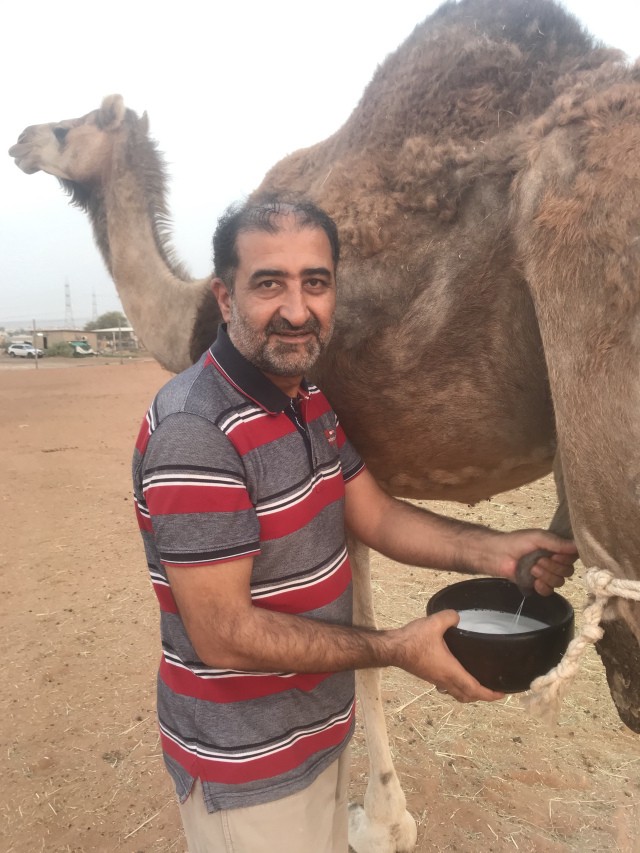
Dr Raziq’s work studying the connection between the plants of the desert and the medicinal quality of camel milk, and promoting camel milk as food with unique healing powers, is therefore of great importance. This research is the reason for camel milk featuring for the first time on the global World Milk Day list since it began over 20 years ago.

Dr Raziq’s work offers a solution to the complex problems in today’s world. The vast increase in pollution through the use of pesticides, petrol fumes and overuse of plastic in the past decades is now linked to many children suffering from mental problems and autism.
“The camel milk works across a range of physical and behavioral issues, making it a highly effective alternative. Parents of children with autism remain a key and growing market, as studies show the milk is safe and effective and can lead to behavioral and medical improvements,” stated Christina Adams, author of several publications on camel milk and editorial board member of the Journal of Camel Science. She is the author of the award-winning book ‘Camel Crazy. A Quest in the Mysterious World of Camels.’ She writes in minute detail how camel milk profoundly changed her autistic son’s life, from a severely affected young child to a now independent adult capable of doing all the things other 20-year-olds are. Her work gave scientists important data to include in their research.
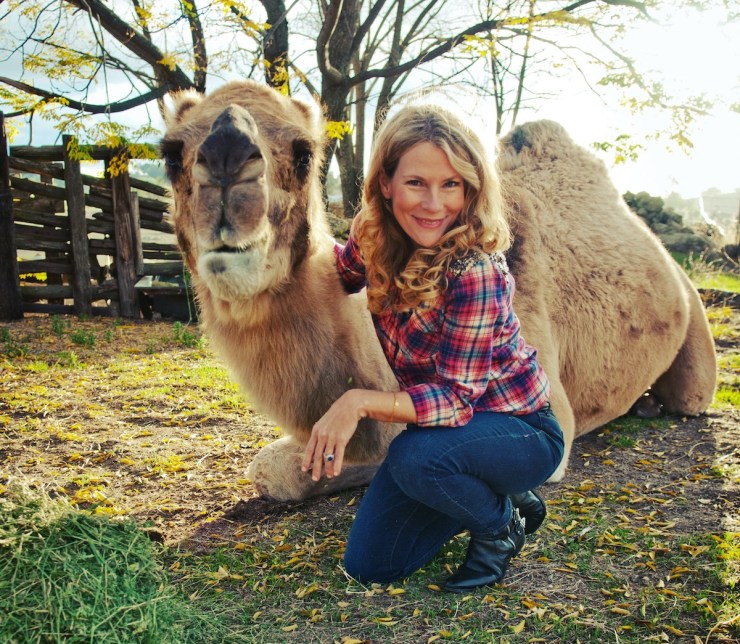
Christina Adams writes that camel milk has been used for centuries as a healing substance and highly nutritious food. She suggests that camel milk may be beneficial in treating conditions associated with inflammation, which may include:
autism spectrum disorder (ASD)
attention deficit disorder (ADD)
hyperactivity disorder (ADHD)
Hashimoto’s thyroiditis
skin conditions such as eczema and psoriasis
gastrointestinal problems: irritable bowel disease, Crohn’s disease, diarrhea
food allergy, intolerance, and sensitivity
sugar sensitivity
diabetes
kidney damage
rheumatoid arthritis
liver damage
Machado-Joseph disease
sensory dysfunction
chemotherapy-induced fatigue, anemia, mouth sores and other side effects
and many others.
Christina Adams won the Nautilus Award.
Dr Tahereh Mohammadabadi, Associate Professor, Khuzestan Agricultural Sciences and Natural Resources University, Iran, writes:
“The fatty acids in camel milk are also better for human hearts as they contain more monounsaturated and polyunsaturated fatty acids than cow milk. Low in allergenic proteins, camel milk is also the best alternative to human milk and for children with severe food allergies or eczema.”
Dr Raziq agrees: “Having been in the camel’s world of research and development, I have been advocating the camel as the animal of choice in the challenging environments as a model animal. The camel (Arabian and Bactrian) milk is also rich with super and unique nutrients, some act as anti-infectious and immune boosters. Camel milk makes the immune system stronger as it contains a series of protective proteins such as lysozyme, lactoferrin, lactoperoxidase, immunoglobulin G, and immunoglobulin. I hereby suggest clinical trials for the camel milk as an agent of antibodies against the viral infections in particular with the COVID-19. Camel milk has already been studied as support in diabetes management.”
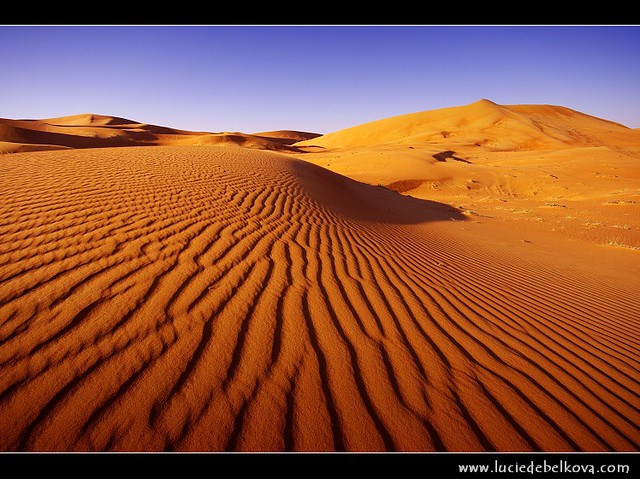
As an ethnoecologist and desert explorer, Dr Raziq advocates closer links with nature whenever we are. During his daily walks, he notices: “The desert is not only beautiful but a place where you can enjoy the vast horizons and the fragrance of the deserts’ flora. The desert after the rains converts into echoing green sand, rich with a diversity of flora and fauna. The whole picture makes the scene very attractive, which works as an ECOTHERAPY. I’m sure, daily walks will work as a healing agent for your health and thoughts.”


Dr Raziq works on many projects that could improve the lives of people globally, as he would like to turn parts of the desert into agriculturally productive fields. His work also includes ideas of using camel waste as a fertiliser. It might not be long before he includes research on turning camel waste into renewable gas. Camel waste could be sealed into tanks without oxygen, where it is broken down by naturally occurring micro-organisms into biogas, before being used to help heat homes and cook meals. Farmers are increasingly rushing to exploit the cattle’s waste product to provide green energy. Scientists believe that alongside hydrogen, biomethane could be playing a critical role in achieving net-zero carbon emissions. Such an innovative project would be a step towards supporting the transition to a low-carbon economy and paving the way for similar projects in the future.

Dedicating his life to study the many extraordinary properties of camel milk, Dr Raziq work is paying dividends, as there are now quite a few camel farms in Europe and in other parts of the world. For those who would like to know what camel milk tastes like – it tastes just like milk because it is milk.
Below are images of the Bedouin tribe:
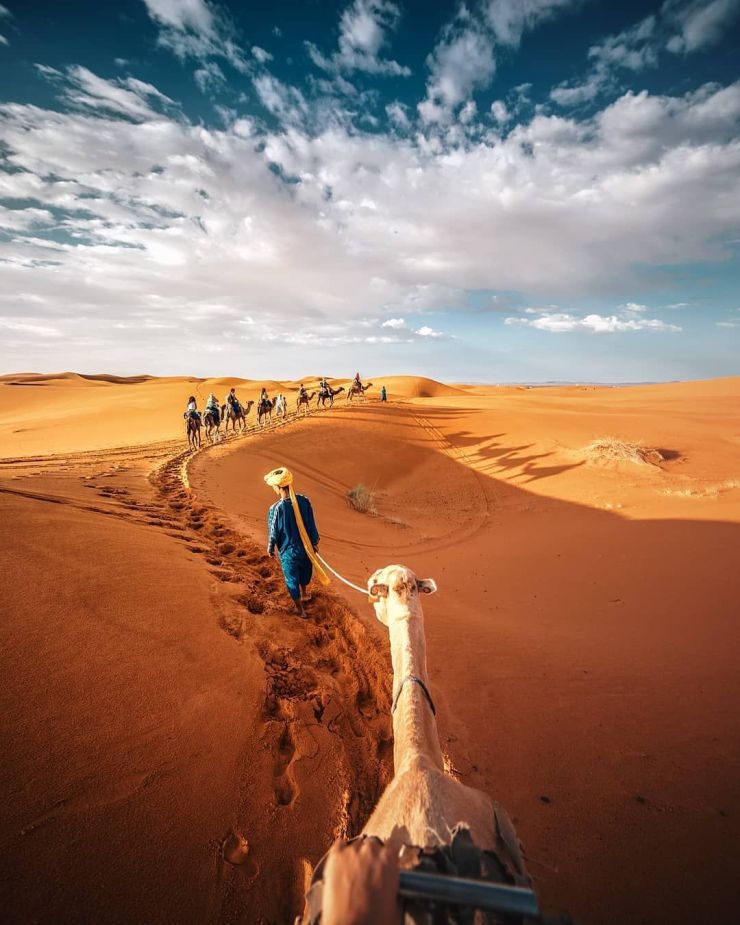
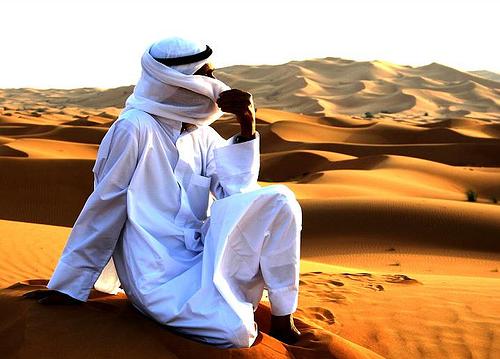
There are also other known benefits of drinking camel milk – the Bedouin tribes in Africa are well known to be slim, no one is ever obese; they drink camel milk as they are camel herders. As we are forever dieting here, perhaps, camel milk could provide a solution.
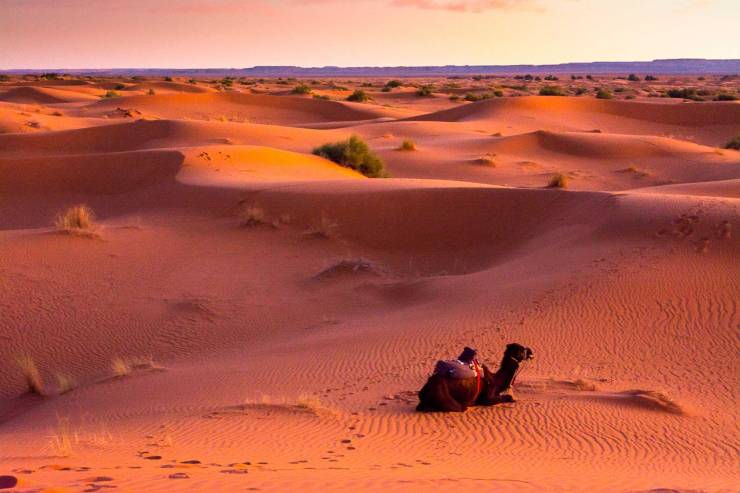
Dr Raziq wrote also very eloquently about the 70 good things trees provide:
shade
cooling of air
fruits
other food
animal food
nesting opportunities for birds
habitat of insects, rodents, birds and many other animals
wind/storm control
beauty
landmark on the earth
natural mapping
strengthening and conservation of soil
trapping and fixing carbon from the air
provision of oxygen
fragrance of flowers
fragrance of fruit
a subject of fairytales
historical background, many trees have a history
involved in the water cycle
deflect harsh sunshine
protect coasts and provide habitat in mangroves
use for furniture
handicrafts made from different parts of the tree
tyres made from sap of rubber trees
and many more…..

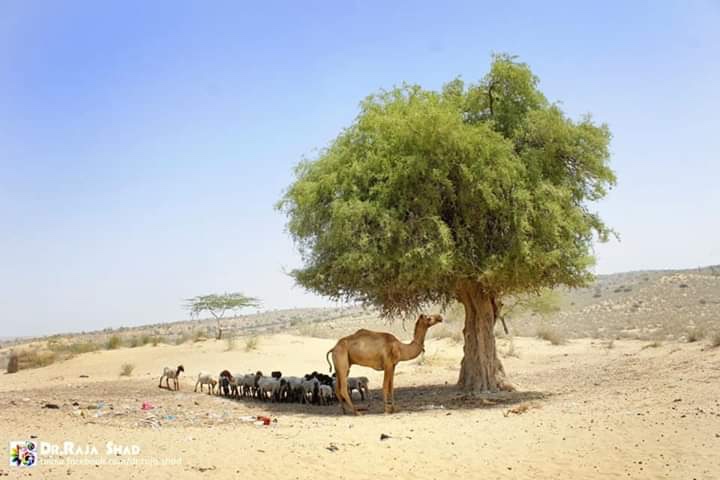
But we should also ask what can we do for the trees. The exchange should always be mutual. Christina Adams writes in her book about the only tree, an acacia, in the compound of The Camel Farm:
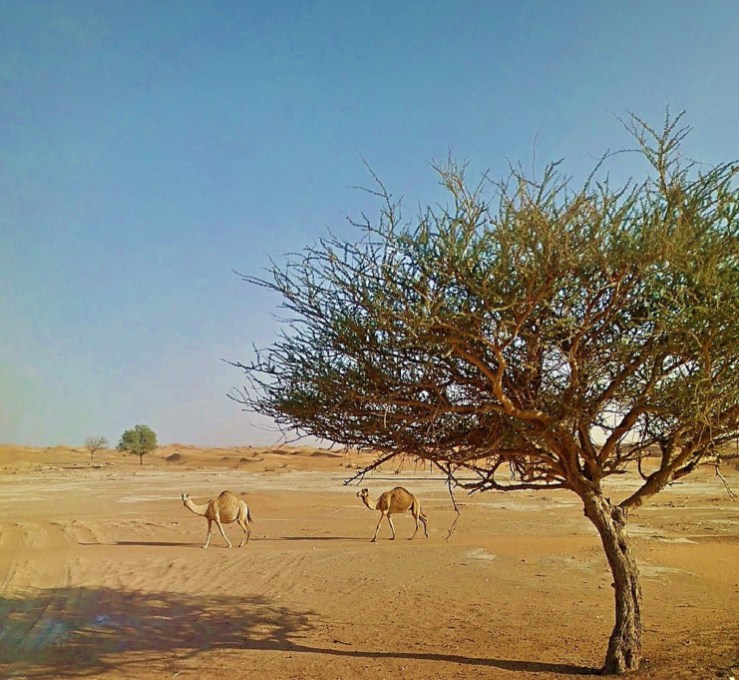
“The sound of past centuries grow fainter as I look back at the old souk tree. She’s endured the indignities of a thousand years, ….. she’s been torn by wind, bumped by trucks, deprived of even drink, But she lives on with no visible help, surviving in her silence.”
Perhaps a gift of water, just a few buckets daily, could be possible? It would certainly prolong this tree’s life and make it happy.
Empathy with nature and all that we call by this name are important, because:
. HUMANS NEED NATURE TO SURVIVE

 naturetails
As like always, thoroughly researched…👍 👌
LikeLiked by 1 person
Thank you for your kind words, much appreciated!
Joanna
LikeLike
Yes.. a great sharing Joanna! As always a great post!
LikeLike
Thank you, Jyothi, for your kind comments, much appreciated!
Joanna
LikeLiked by 1 person
Joanna, I really liked learning more about camels. Fascinating animals. Did you know the giraffe was originally called a cameleopard because it was thought to be shaped like camel with the spots of a leopard?
LikeLiked by 1 person
Thank you, Pat, for your lovely comments, and the wonderful addition to my knowledge!
I greatly appreciate your kindness!
Joanna x
LikeLiked by 1 person
I’ve only only had the good fortune to ride a camel once.
LikeLiked by 2 people
Thank you, GP, for your lovely comment! You the lucky one!
Joanna
LikeLiked by 1 person
Nice images! I’ve never ridden a camel.
LikeLiked by 1 person
Thank you, Dorothy for your kind comment! Perhaps, one day…
Joanna
LikeLiked by 1 person
Thank you, Joanna, for this fascinating post. However, I’m not sure I’ll find camel milk here so for now I’ll stick with oat milk! 😋 🤗💌🙋♂️
LikeLiked by 1 person
You’re very welcome.
LikeLike
Thank you, Ashley, for your lovely comment! Any milk is better than no milk.
Joanna
LikeLiked by 1 person
WOW, Joanna! I had no idea about camel milk and how healthy it is. I suppose we have become so acclimated with milk from cows and not aware that this beneficial beverage that treats conditions associated with inflammation is the drink of choice for many.
🐫🐪🐫 The camel is indeed a unique gift of nature, and extraordinary animals, as you noted. I agree with you that humans need nature to survive. It’s remarkable how these creatures are equipped to withstand the harshness of their journeys through the desert. Great research my friend. 🥰💖😊
LikeLike
Thank you, Kym, for your wonderful comments! Perhaps, there is close by a place where you can buy a bottle of camel’s milk, worth trying.
Thank you again Kym, greatly appreciated!
Joanna x
LikeLiked by 1 person
Excellent article, as always.
LikeLike
Thank you, Neil, for your lovely comment! Much appreciated!
Joanna
LikeLiked by 1 person
The Semitic word root gml, meaning camel, became the base for the Hebrew letter gimel and later the Latin (and then English) letter G.
LikeLike
Thank you, Steve, for your as always, erudite addition to my post! Very interesting!
Joanna
LikeLike
Hmmmm, interesting Joanna. Camel’s milk is worth checking into. Thanks for the idea. You are so welcome for sharing with us your intense research and eye-opening habitats around the world my friend. Enjoy the rest of your week Joanna! Cheers! 🥰🥂😍
LikeLike
Thank you, Kym, for your kind comments!!
Joanna x
LikeLiked by 1 person
This is uplifting Joanna, to read about people who dedicate their lives to research that will improve the life of our planet and her many inhabitants in such ways that will benefit everyone. It seems that Grant and I should find ourselves a camel to add to out menagerie. Bactrians ought to be alright with cold weather, I think. I’m sure if I befriended one we would get on well. When I came upon a large gathering at a watering hole in Sudan I was scared stiff of them. I’m sure they were muttering to each other “look more stupid tourists!” As always, a wonderful article with so very much information. Thank you!
LikeLiked by 1 person
Thank you, Carolyn, for your wonderful comments! I think it would be better to find out who is selling camel’s milk close by, rather then deal with a camel as you would need a few to keep her happy.
Joanna x
LikeLike
Hi Joanna, I’ve always been fascinated by camels and the desert. A few years ago, I read about camel milk and its benefits. You went into so much more detail wonderful. I had not heard of Christina Adams. A wonderful write up as usual. Heart and soul is here. 💕🐪🐫🏝️
LikeLike
You are so very welcome Joanna. My pleasure Professor! 🤗💖🥰💐😊
LikeLike
When you were talking recently about the introduction of camels into Australia I couldn’t help but wonder if you would ever do a post about the ‘ship of the desert’ – and look what you’ve gone and done. Telepathy or what?
I knew hardly anything about these creatures except their ability to store huge amounts of water to keep them going, but once again you’ve enlightened me with all sorts of facts. Thanks to Dr Raziq (and you), I’ve learnt a lot about the connection between their appetite for the Tribulus plant and camel’s milk which appears to have so many potential healing properties.
This is yet another very enjoyable post Joanna and a worthy one to include in your wonderful series about deserts. Great stuff!
LikeLike
This is just amazing Joanna. I never knew the benefits of camel 🐪 milk. Thanks for sharing
LikeLike
Thank you, Sadje, for your kind comment! Much appreciated!
Joanna x
LikeLiked by 1 person
You are so kind, Kym!
Joanna xx
LikeLiked by 1 person
My pleasure
LikeLike
Thank you so much for your wonderful comments! Your words are deeply appreciated , and mean a world to me!
Joanna xx
LikeLiked by 1 person
Thank you, Malc, for your wonderful and uplifting comments! Remember Society we belong together; great minds think alike! I am curious about the outcome of the research of Dr Raziq, and admire his daily walk in the desert to collect all the rubbish left there.
Thank you again, Malc!
Joanna x
LikeLike
Thank you, Malc, for your wonderful and uplifting comments! We belong to Society you know, and so great minds think alike!
I admire Dr Raziq work and his daily walk in the desert to pick up all the rubbish left there!
Thank you again, Malc!
Joanna x
LikeLike
Dear Joanna, I really enjoyed reading the result of your valuable research on camels and knowing all the practical advice you shared with us❤️
LikeLike
Thank you, dear Luisa, for your wonderful comments! Much appreciated!
Joanna x
LikeLiked by 1 person
As ever, you are most welcome, dear Joanna!
Have a lovely weekend
LikeLike
Thank you!
Joanna x
LikeLiked by 1 person
🙏🐫❤️
LikeLike
Dear Joanna, I recall one of your previous posts where you discussed camels, ship of the desert and their unique attributes, along with highlighting the commendable work of Dr. Raziq. Subsequently, I began following him on WordPress. Thanks a lot!
In India, particularly in Jaisalmer and Bikaner within the Thar desert region, camels are prevalent. They sometimes face a disease called Hayam, which compels them to consume live snakes. This condition involves the camel swallowing the snake alive. Triggered by the bites of venomous insects, this ailment halts the camel’s intake of food and water. Often, the camel resorts to eating the snake on its own. Following the ingestion, the camel experiences heightened thirst, and approximately eight hours later, water begins to flow from its eyes due to the snake’s venom.
I don’t think there is any scientific basis, but people believe that it cures camel diseases. However, this camel eye discharge or tears called ‘tireaq’ is very useful to neutralise poison or venom.
I concur with your observation about the therapeutic properties of camel’s milk. I’ve had the opportunity to try chocolates produced from camel’s milk in an Arabian nation. Additionally, camel’s waste can be utilised for fertilizers and biogas production, akin to how cow dung is being utilised in India.
Besides India, I’ve also relished camel rides in Egypt and Dubai, more enjoyable during the evening hours. Joanna, your unique post brought back fond memories for me. Your pictures and the video are as always excellent and relevant to the subject matter. Thank you so much, Joanna!
LikeLike
🌺💕
LikeLike
Thank you, Kaushal, for such an interesting comments with so many added fascinating facts! It is worth to bring out my posts for the pleasure of reading the surprising facts you have provided! Thank you!
I am glad that India is developing some new methods on improving the quality of soil. As climate change is getting more noticeable all over the world, every bit of research helps.
Thank you again, Kaushal, all much appreciated!
Joanna
LikeLiked by 1 person
Always my pleasure, Joanna! You’re welcome!
LikeLike
Namaste!
Joanna
LikeLiked by 1 person
Namaste🙏
LikeLike
A fascinating article yet again Joanna. Thank you for bringing this to us. I have tasted camel milk when in the Middle East, straight from the camel. It was quite sweet and a little salty as I recall.
LikeLike
Thank you, Peter, for your kind comments! I use camel milk myself which can be bought in this country or from the Netherlands.
Nature writing is always a great pleasure for me, and appreciation of my readers ample reward!
Thank you again, Peter!
Joanna
LikeLiked by 1 person
What a fascinating post, Joanna, and I had no knowledge about camel milk and its health benefits. I learned something new, so thank you! Camels are amazing creatures!
LikeLike
Thank you, Lauren, for your lovely comments! I am glad that you have learn something new, I love to find every day something to surprise me! And yes, camels are special creatures!
Joanna
LikeLike
What an interesting and informative post, Joanna! I love everything about camels but never knew their milk was such a powerhouse. Lovely pics of the desert, too!
LikeLike
Thank you, Harini, for your lovely comments! I use the camel’s milk myself and it is good and healthy.
I hope everything is fine on the farm, and growing.
Thank you again, Harini!
Joanna x
LikeLiked by 1 person