“Not only is the universe stranger than we imagine,
it is stranger than we can imagine.”
Anonymous
“Memory” by Gheorghe Zamfir
“Anything else you’re interested in is not going to happen
if you can’t breathe the air and drink the water.
Don’t sit this one out. Do something.
You are by accident of fate alive at an absolutely critical moment
in the history of our planet.”
Carl Sagan
Not so many years ago, the front page of a national newspaper brought news of an outspoken attack by the head of the NHS on the homeopathy industry. It reminded me of previous research. In 1988 the French immunologist Jacques Benveniste published a paper that stirred up a great deal of interest and even greater controversy. His claim was that if something is dissolved in water, then diluted so many times that not even a single molecule of the original substance remains, the water still retains a ‘memory’ of it having been there. His point was that the configuration of the molecules of water is ‘biologically active’ in a way that makes it change when something is dissolved in it and retain that change after dilution. This theory aroused intense debate between the devotees of homeopathy and the non-believers.

The attempts at the repetition of the experiment were unsuccessful and the topic of ‘water memory’ was forgotten until research conducted by the Nobel Prize winner virologist Luc Montagnier in 2010. Montagnier’s experiment proved that bacterial DNA dissolved in water created electromagnetic signals from which the entire DNA sequence could be obtained. However, he stated that his result indicated that water may contain an information storage-and-retrieval property but that one ‘cannot extrapolate it to the products used in homeopathy.’ Attempts to replicate his experiments were not successful.
“Eternal Echoes” by John Barry
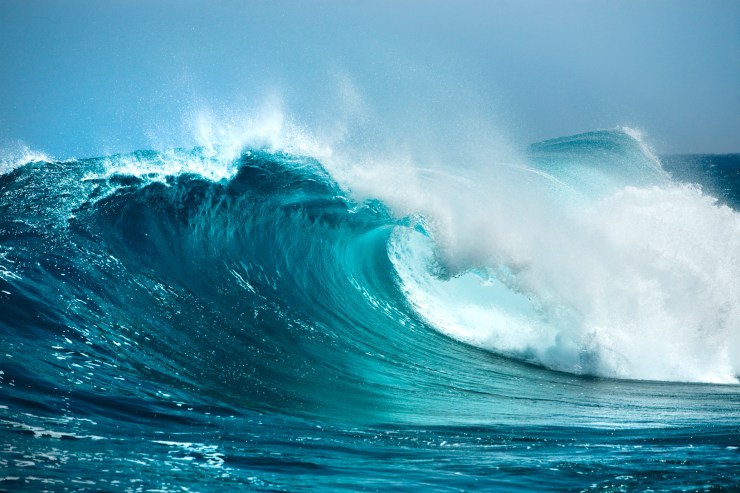
Thinking of water on a larger scale brings the question: where does the Earth’s water come from? In the beginning, the heat of the new planet would not have sustained any water on the surface. Later on, water might have been deposited by collision with comets and asteroids. In 2007 Japanese scientists suggested that early on the Earth had a great deal of hydrogen in its atmosphere, and this reacted with oxides in the Earth’s mantle to form water. The heavy hydrogen cloud, the scientists thought, could explain why the Earth’s orbit around the Sun changed from an original elliptical shape as predicted by theory into the almost circular path that is today.
Some thoughts about the origins of oceans:
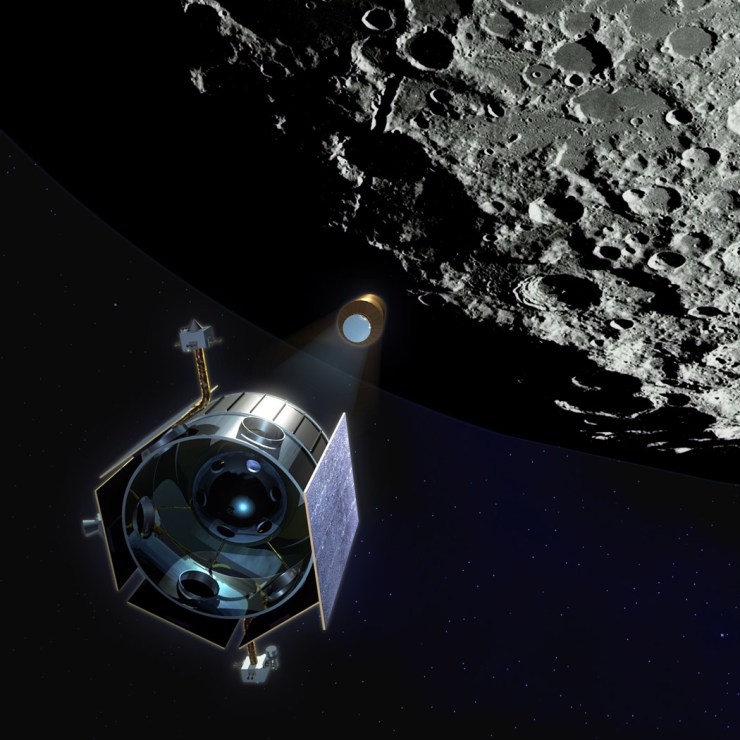
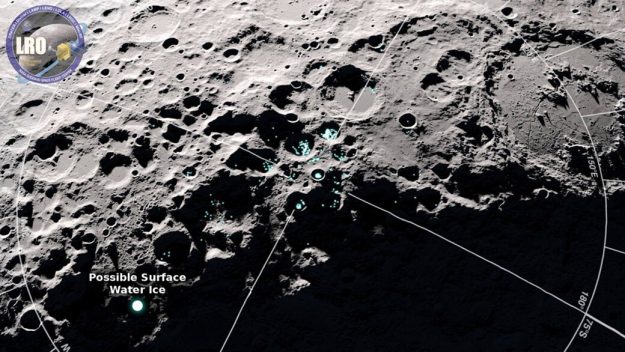
In 2009 NASA crashed a lunar satellite into a crater on the Moon and found to their surprise that there were signs of significant quantities of water there. The same question – where did it come from – could be explained by many suggestions: comets, asteroids, gases from the Moon’s interior or grains of ice carried by intergalactic clouds. As there is no irrefutable answer at the present, one can only think that the water could have come from anywhere, even from Earth.
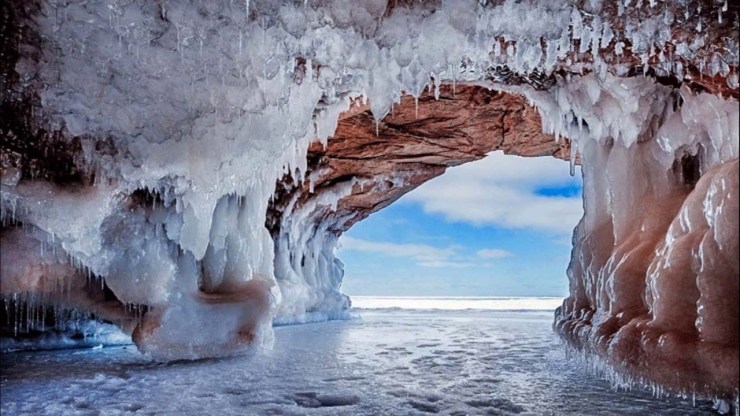
There is one question that we know the answer to and this is: what is so special about water? When two positively charged ions of hydrogen attach themselves to one negatively charged ion of oxygen to form a molecule of water, one factor that keeps the molecules together is called a hydrogen bond, which is the attractive force of the opposite charges. Renowned scientist, William Hartston, explains the process: ‘Much of what we identify as the unusual properties of water seems to be dependent on the nature of the hydrogen bond: the fact that so many substances dissolve in water; the fact that water expands as it freezes; the surface tension of water. Life as we know it would be impossible without these special properties. Just think of the watery origins of life. If ice were heavier than water, it would sink to the bottom, leaving liquid water at the top to freeze and sink again, until all life was extinguished from any body of water in sub-zero conditions. As it is, a layer of ice stays at the top, insulating the rest of the lake and allowing life to go on. And most of the salts and other chemicals that have led to the development of life have relied on water’s solvent properties to get where they need to go. Water is one of the most commonly encountered yet most unusual and least understood chemical compounds on Earth, and most of this seems to be due to the strange properties of the hydrogen bond.’

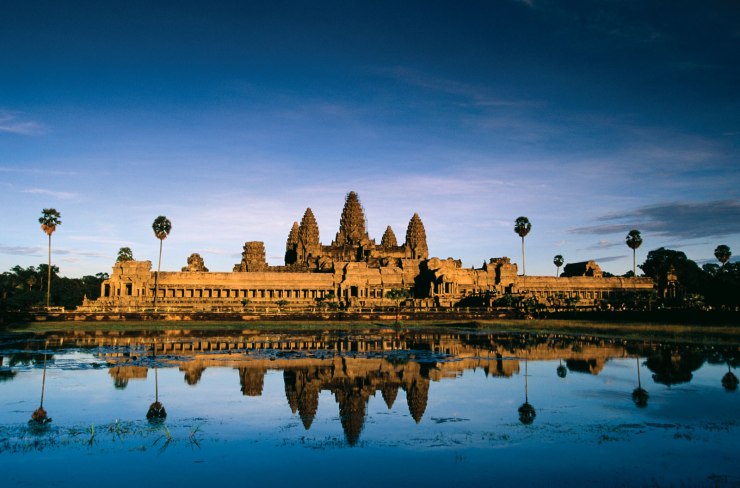
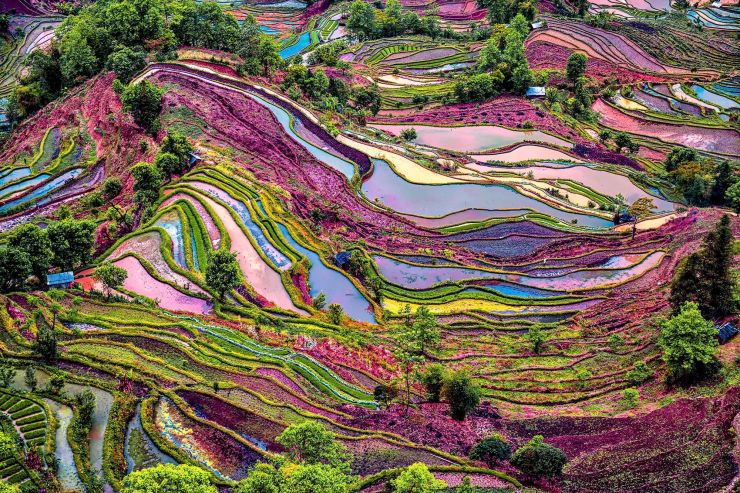
Water is something that humanity has cherished since the beginning of history. It provides sustenance, comfort, and refreshment to everyone, yet it means something different to many; from fonts for holy water in Christian cathedrals, through to a sacred spring at Delphi in Greece, the reflecting pools of India’s Taj Mahal, and China’s rice fields, the reservoirs that surround Angkor Wat in Cambodia, symbolizing the primordial waters of the universe, and the life-giving floods of the River Nile in Egypt. Water is the very essence of life. In the sixth century B.C.E., the Taoist philosopher Lao-tzu wrote in his Tao Te Ching, ‘Nothing in the world is as soft and yielding as water. Yet for dissolving the hard and inflexible, nothing can surpass it. The soft overcomes the hard, the gentle overcomes the rigid.’

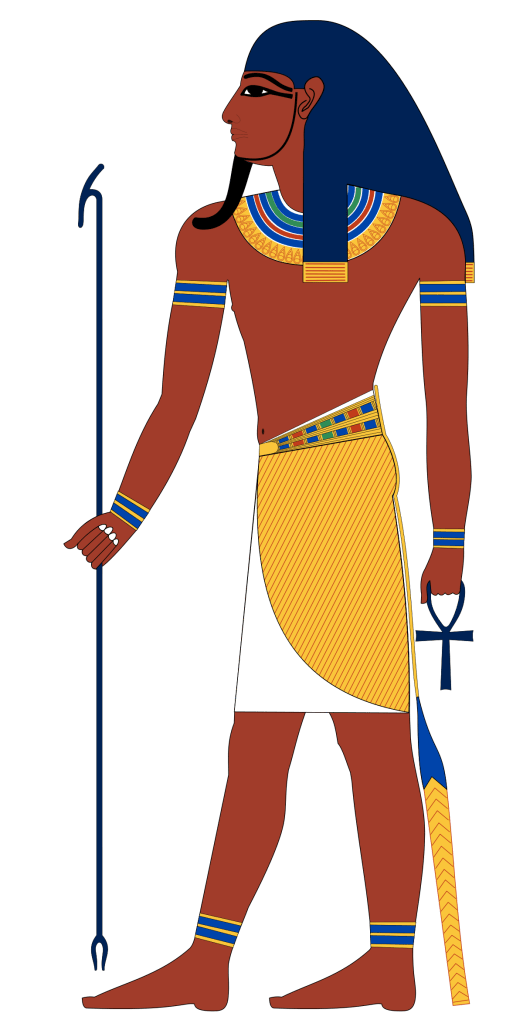
The lives of ancient Egyptians were strongly linked to the Nile and to the land that flourished because of the yearly flood, the event that went back centuries before the existence of the first rulers of the Lower and Upper Egypt. The Egyptian pharaohs ruled over an agrarian kingdom, where everyone had strong ties to their ancestral villages. What the villages had grown, their labour and their taxes built pyramids and temples, and when there was a drought in about 2200B.C.E. Egypt fell apart for more than a hundred years. In response, the later pharaohs built many granaries and installed large-scale irrigation works in places like the Fayum Depression, to the west of the Nile. An army of officials was now supervising canal maintenance and harvests, for careful water management meant the difference between famine and plenty. The ancient Egyptians believed that their world had three basic elements: earth, sun, and water. Their god Atum, ‘the completed one’, the Creator emerged from a watery chaos. He caused ‘the first moment’, raising a mound of solid earth above the waters. Then the life-giving force of the sun, Re, rose over the land to cause the rest of creation. The pharaohs believed that life-giving waters of the Nile came from a subterranean stream that flowed in the underworld.
“River Flows In You” by Yiruma (courtesy of Nathan Wu)
Invariably, water was regarded as a gift from the gods. The book of Revelation, in the New Testament, speaks of the ‘angel of the river of the water of life’, as clear as crystal, flowing from the throne of God. Water enjoyed sacred properties in many ancient societies, as the source of life. We can live for a short time without food but not without water. The Holy Quran states many times that ‘with water, we make all living things.’ Other clans had a saying: ‘Whoever has a channel has a wife’, as women would want water to grow crops.
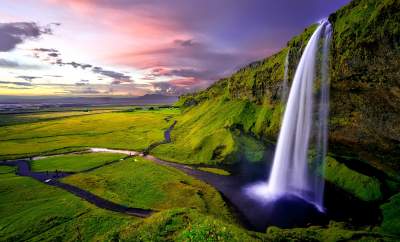
Etude No.1 (Waterfall) Opus 10 by Chopin:
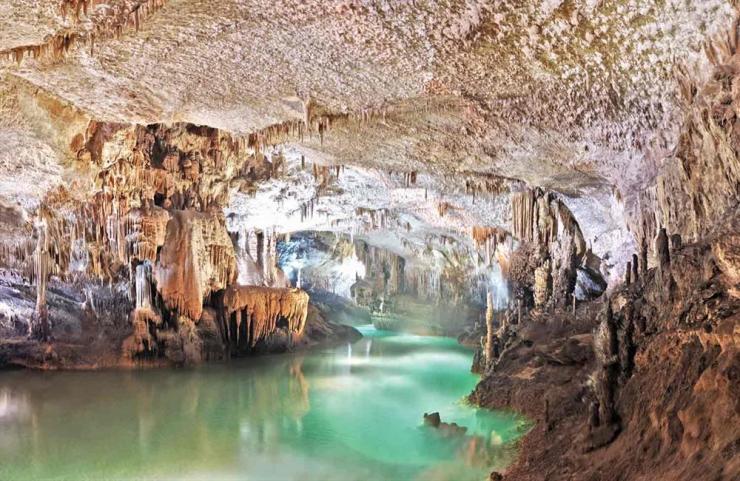
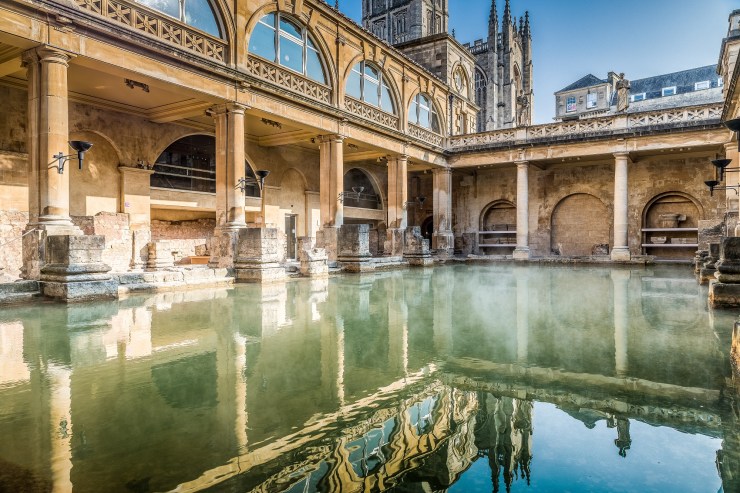
Many countries, including ancient Greece, used water-rich karst formations to provide reliable water supplies for agricultural and domestic use. Karst is a topography formed from the dissolution of soluble rocks such as limestone, dolomite, and gypsum. It is characterized by underground drainage systems, sinkholes, and caves. The Romans used this knowledge to create aqueducts, an architectural masterpiece. They used the water not only for domestic use but also for the famous public baths. In England they installed spectacular public baths, that gave the name to the town that grew around it.
Human-dug tunnels that tapped groundwater would be used to create cities, towns, and villages around them, from Iran to the Andes. In China, eighteenth-century Qing Dynasty officials paid thousands of labourers to dig canals that brought mountain water to lowland fields. Water was also used for transport and voyaging across lakes, rivers and across the ocean. Until the domestication of the camel in the first millennium B.C.E., waterways, especially major rivers like the Euphrates, the Tigris, the Nile, and the Yangtze, provided much better ways of traveling than on foot or by horse. It could be said that irrigation was a prime cause of civilization.
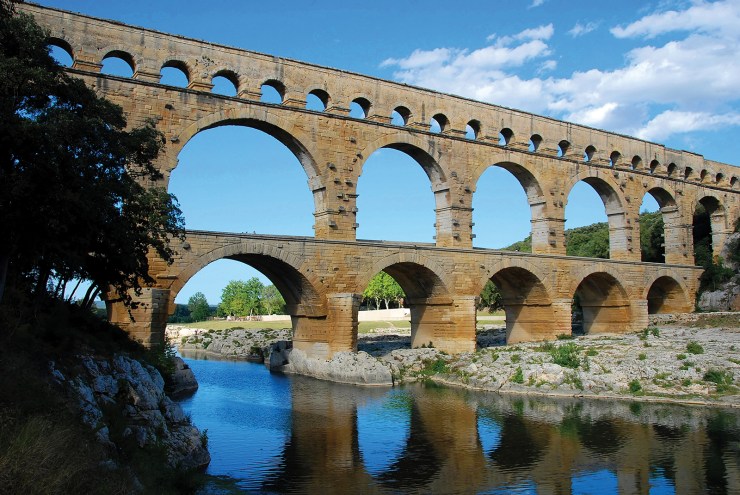
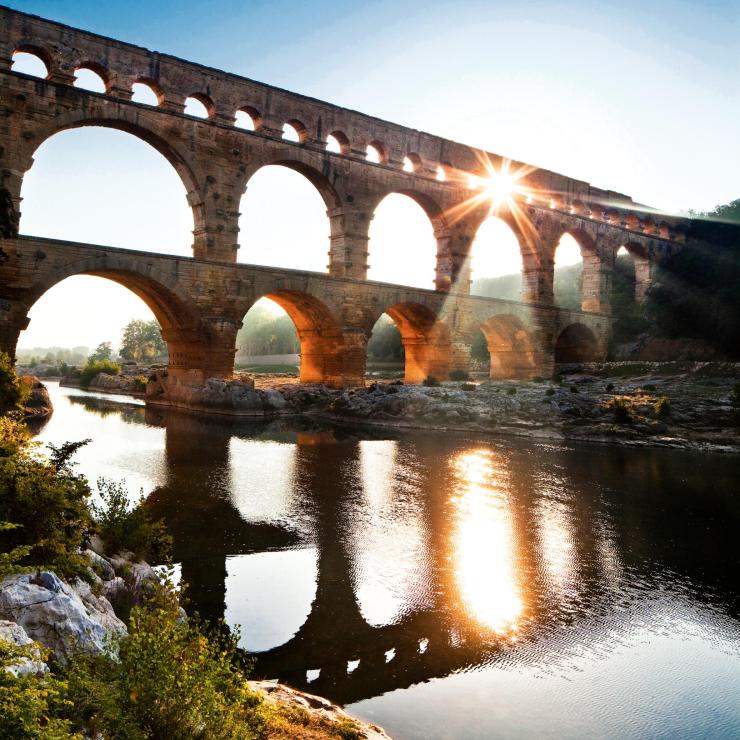
The invention of aqueducts transformed the lives of Etruscans and the ancient Greeks. But aqueducts only become a perfect form of art after the Romans took the existing simple version and turned the aqueducts into Aquae Romae, an enduring symbol of Rome’s power and technical prowess. Wherever Rome went, aqueducts went, too. Over much of Europe, and the Mediterranean, they survive as permanent reminders of Rome’s imperial might. The Romans were proud of their first Aqua Appia, which brought water to Rome in 312 B.C.E. Sextus Julius Frontinus said of Roman aqueducts, ‘With such an array of indispensable structures carrying so many waters, compare, if you will, the idle Pyramids or the useless, though famous, works of Greeks!’
Water features prominently in Hindu sacred texts, known as Vedas, and refers to the time when the earth was all water without light:
Those waters from the heavens,
Or those waters that flow when dug,
Or even those waters that are self-born,
Flowing towards the ocean, purifying,
May those waters, Oh Goddess,
Protect us here.
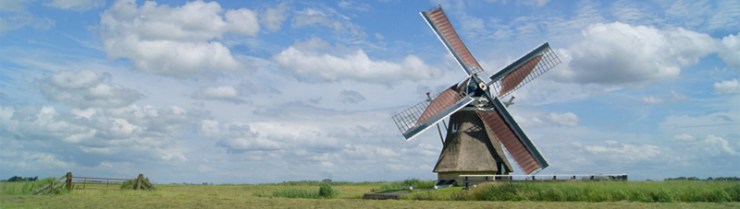
The deeply held respect for water and a tradition of water management goes back to the beginning of Indian civilization. In China, mighty rivers were controlled by dams, large-scale irrigations and many tunnels that would prevent floods. In Europe, water mills provided bread, the main part of our staple diet.
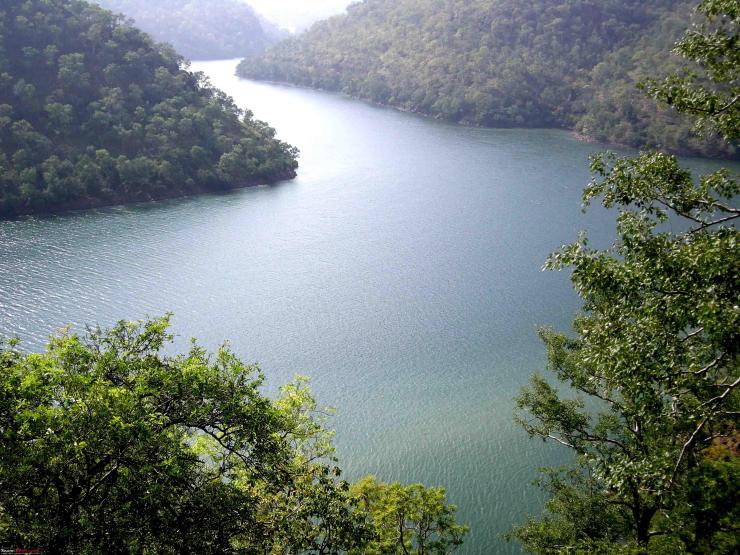
Below is the Krishna River in India
Below is the Yangtze River in China:
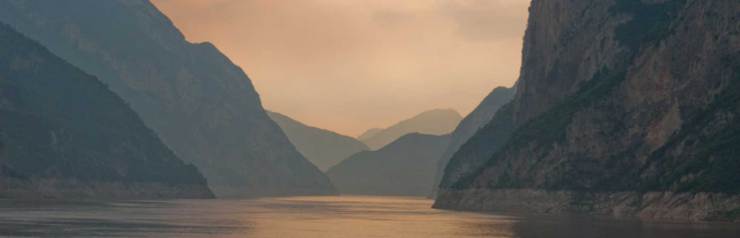
“L’Ascension” by Michel Pépé:
Recently, scientists discovered in a 2014 study a massive ocean about 700 kilometres below the Earth’s surface containing around three times as much water as all the seas and oceans we can see. The finding poses a new question of where the Earth’s oceans came from and how they stayed the same size for millions of years. The investigation, however, only relates to water beneath the United States. It could extend all the way around the planet occupying a region between the upper and lower parts of the Earth’s mantle. The total amount of water down there could easily be enough to submerge the planet if it were on the surface.
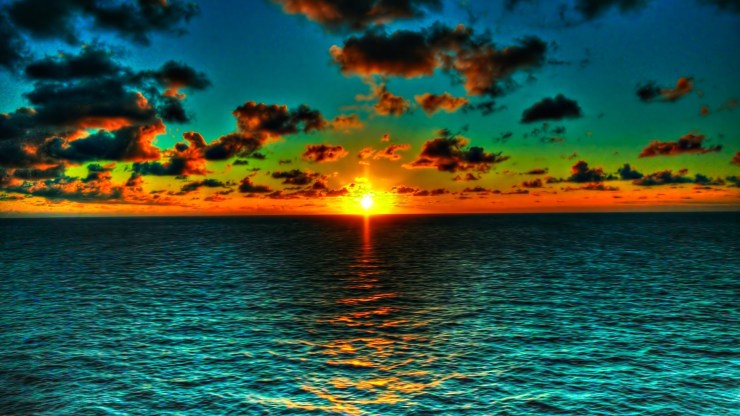
In present times it is clear that catastrophic climate changes are now affecting our relationship with water in many places in the world such as the terrible flooding in New York as well as in India and Spain, Storm Ida in Louisiana, and wildfires in southern Europe, California and Tunisia. There are places in Asia that are in acute danger of many villages being destroyed by rising sea levels, while parts of Australia have suffered recently from droughts and hot temperatures that wiped out wildlife.
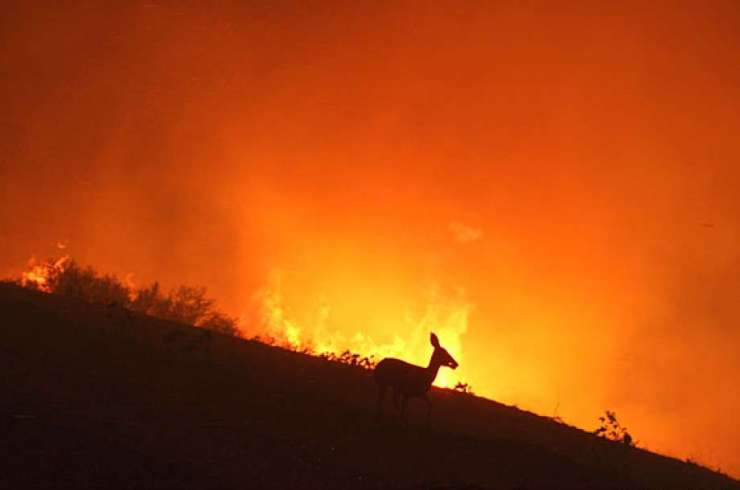
In California, forests burned on an unprecedented scale because of unusually hot temperatures and winds that spread the flames which have destroyed towns like Paradise. The speed of those changes is the result of our actions.
The town of Paradise before the wildfire:
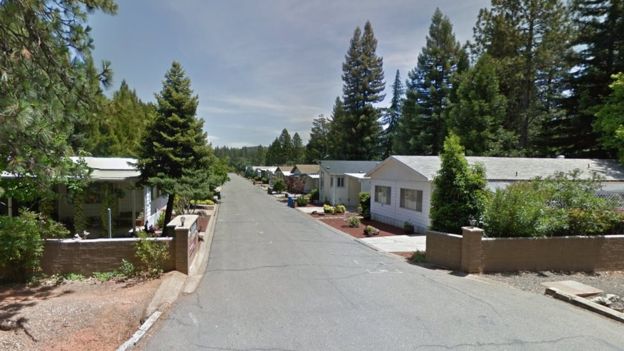
The town of Paradise after the wildfire:

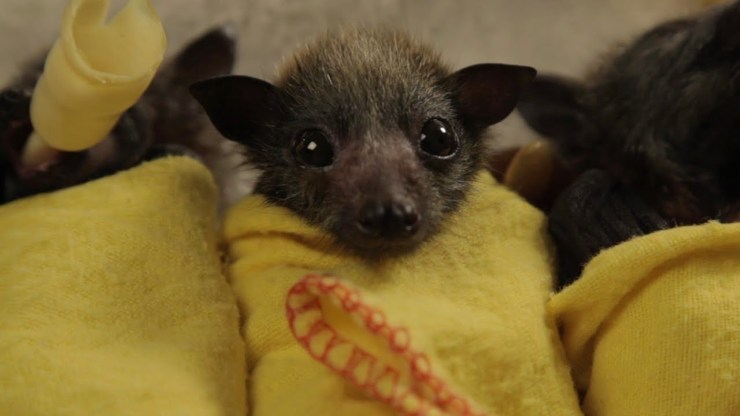
A few years ago, hundreds of koalas perished in a huge wildfire in New South Wales in Australia. Staff at Port Macquarie Koala Hospital searched for survivors after the fire destroyed 4,900 acres of bush. Two-thirds of the damaged area was koala habitat, according to the hospital president Sue Ashton. She added: ‘If we look at a 50 percent survival rate, that’s around about 350 koalas and that’s absolutely devastating.’ Koalas climb high into trees during wildfires and survive if the fire front passes quickly below them. The koala colony was particularly healthy and genetically diverse, Miss Ashton said. The fire was started by a lightning strike, 190 miles north of Sydney. Australia’s wildfire season made an early and devastating start that year, due to above-average temperatures and below-average rainfall. I wrote in another post, ‘The Knights of the Night’ about thousands of bats dying in the south-eastern part of Australia, and I have asked the pertinent question: are we all aware that when we destroy Earth, it will be too late to then realise that we cannot eat money or cement?

“We All Fall Like Rain” (from the film “Secret of Water”)
David Attenborough’s closing speech from “Blue Planet II”:
“Baby Blue” from “Our Planet” original soundtrack:


 naturetails
Thank you, Cindy, for being of the same mind, we must keep, as you say “Heads above the water” or we could drawn in misery, and that would be wrong around Christmas.
Joanna xx
LikeLike
WOW Joanna, this is another intriguing essay you’ve presented. Thanks for mentioning William Hartston, explaining the process of water: ‘Much of what we identify as the unusual properties of water seems to be dependent on the nature of the hydrogen bond: the fact that so many substances dissolve in water; the fact that water expands as it freezes; the surface tension of water.
What a thorough report and fascinating take on the dynamics and our attitudes and appreciation of water! 💦🌅💧🌊🧊 Thanks Joanna! 💖
LikeLike
This is so fascinating, Joanna. The beautiful connection between water and life, both scientifically and culturally. I had no clue about the historical significance of water, this ingenious Roman aqueduct to the sacred texts of Hinduism and various cultures.
I really appreciate how your each posts seamlessly weaves scientific discoveries with cultural and historical perspectives. Really loved it. ✨
LikeLike
Thank you so much, Ritish, for your wonderful comments! As recently water is being discovered in various forms on other planets, and I will have to write more on the topic of water sometime when
I do more research.
Thank you again, Ritish, your kind words are greatly appreciated!
Joanna
LikeLiked by 1 person
Dearest Joanna, this is one of those topics that carries one to the deepest mysteries of life and of what we across living on this magical planet. Of course, water remembers a lot lot more than we, rather scientists may ever know. They are the carriers of sounds and vibrations all around them. Ancient Indian sages, and still many of us Indians say a little prayers looking into the cup or the glass of water before drinking it, for reminding the water, its molecules to where it is entering. So much so that we all agree how vital and sacred it is. Thank you for choosing such an enlightening subject. So deep earthly civilisations have been married to the essence of it. Thank god we are slow in finding water on moon and mars, otherwise we would have ruined earth already.
Love to you. Narayan
LikeLiked by 1 person
Thank you, Narayan, for your eloquent and wonderful comments! We both have deeper connections with water, you through your name, and I am as an Aquarius, water carrier, being born in February.
You love being in water, whether it is the sacred Ma Ganges or other rivers of great importance.
That is why this post about water resonates with you. I don’t know if humanity can learn to protect this beautiful blue planet but am learning that research is going on to find water in various forms on other planets. India, as you know is quite known in space research. Time will tell..
When I find more, and there is more already, I will write again on the topic of water.
Thank you, Narayan, for all your interesting additional observations, all much appreciated!
Love to you too,
Joanna
PS. Please, Narayan, don’t miss this week post, one of my best ever written, because I wrote it after you asked me to write something special about India for the world to know. As I am read in almost every country in the world, it was, I think, a reasonable request. Although, you know it, it is still worth your comment!
LikeLiked by 1 person
Dear Joanna, this post stands out by seamlessly weaving together elements of religion, science, spirituality, and the essential aspects of life.
I had read something about water memory that contradicted the usual scientific understanding, but your post refreshed my understanding as to how water can absorb information, store it and transmit it to its surroundings.
You’ve delved into the significance of rivers like the Nile for Egyptians. In fact, it’s true for every river. Earlier all the cities were settled along the banks of some river only, because no life could be perceived without water.
I’m glad you have referred to Vedas. You have also talked of elements of earth, sun and water for Egypt, but we take five elements of nature- earth, water, fire, air and space, and treat and worship them as deities.
Across religions, water is revered, evident in rituals like baptism, waju, or aachman. Our temples often feature ponds, emphasising the sacred nature of water.
I appreciate the wisdom of Lao-tzu that soft overcomes the hard. It proves how greater things can be achieved even by remaining soft. So we may have this learning from water.
The revelation of an ocean beneath the crust is astonishing. Also enjoyed David’s insightful closing remarks and engaging video clips. Kudos, Joanna, for your efforts in sharing this enriching content, once again!
LikeLiked by 1 person
This is all so fascinating. Within all of our lifetime, we’re going find planets around another star that we can say, we see the potential signs of habitability in their atmosphere. As it is said – Where their water, there’s a hope for life.
This is my genere, I would love to read about them.
LikeLike
Thank you, Ritish, for your interest but no doubt it is universal, and I will do all the research to write about water again. I don’t know if we could ever find or even want to find another planet as special and beautiful as our blue Earth is, especially as the memory of the humanity is embedded in everything here, in every rock, every temple, forest or a mountain, and nothing would connect us with another place in the Universe.
Joanna
LikeLike
Thank you, Dear Kaushal, for your wonderful and analytical comments! I love your mention the water used in baptism
in various forms, and the fact that there are ponds in all temples’ grounds!
Thank you again, Kaushal, for all your kind words, all deeply appreciated!
Joanna
LikeLiked by 1 person
You’re welcome, Joanna, always!
LikeLike
Thank you! You are so kind!
Joanna
LikeLiked by 1 person
Hello Joanna,
Thank you for sharing so beautifully about the element water. Water is truly amazing, every facet of it and it is so refreshing to enjoy your well crafted post. I always tell people that what you create is like a whole magazine on it’s own.
I find it fascinating how people over time were able to work with water in a constructive way but eventually people have just gone too far. I truly hope that we can change our ways to respect all the life giving qualities water has and has to offer us.
Take care, Morag.
LikeLike
Thank you, Morag, for your wonderful comments! Yes, you are right that water as a life giver is most important to us and our planet. Now, we are searching for the water in different forms on other planets. As our King Charles III said in his speech during the Climate Summit in Dubai:
“Earth does not belons to us, we belong to the earth.”
Thank you, Morag, again, your thoughts are deeply appreciated!
Joanna
LikeLiked by 1 person
You are welcome! I like that thought, we belong to the earth 🌹💕 keep well!
LikeLike
I like it too! I hope you are coping with the extreme weather, Morag!
Joanna xx
LikeLiked by 1 person
Yes I love the winter weather and we stay warm and dry, it’s just my lungs have been struggling for the last two months. Maybe it’s about adjustment to a different climate.
Morag xx
LikeLike
You are brave, Morag, – 12 degrees!
Joanna xx
LikeLiked by 1 person
🌹🌷
LikeLike
XXX!
LikeLiked by 1 person
Probably the best work on this topic. Every post of yours gives complete information about the subject, this is also the same. Really brilliant, explaining water from a completely scientific point of view and that too in such a simple manner.
LikeLike
Thank you, Nitin, for you wonderful comments! Your kind words are greatly appreciated!
Joanna
LikeLiked by 1 person
An absolutely amazing post on the stuff of life we can not survive without, Joanna. And yet we use it and waste it with wild abandon. I am sitting here this morning with my coffee, as the day comes on, hoping for some rain, any rain. We have too little right now and other places have to much. When it comes to water, we don’t know what we don’t know. Happy Monday. Allan
LikeLike