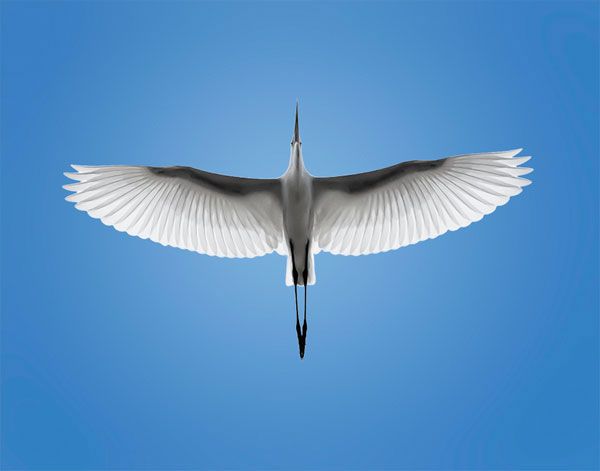
“The reason birds can fly and we can’t is simply
because they have perfect faith,
for to have faith is to have wings.”
J.M. Barrie
Courtesy of Wildlife Israel Yuval Dax:
“What if I fall?
Oh, but my darling,
what if you
fly?”
Erin Hanson

Courtesy of Voler Avec les Oiseaux:
(For those of you concerned about the birds… Christian Moullec, from France, rescues and hand raises orphan birds. He then teaches them to follow his micro-light so they can learn safe migratory routes and go back to nature. His is foremost a conservationist and taking some tourists onboard would help finance his efforts I imagine. The Canadian filmmaker Bill Lishman pioneered flying with birds in this manner and the film “Fly Away Home” was inspired by his work and based on his autobiography Father Goose.)
“The Wind Beneath My Wings” performed by Gheorghe Zamfir (courtesy of Ada Dalilah Rincon Boehemio):
The book, Incredible Journeys (also published under the title Supernavigators), by the award-winning author David Barrie, is full of mind-boggling facts that document senses and skills, which we humans don’t have and find difficult to comprehend. By coincidence, David Barrie is a descendant of J. M. Barrie, the famous Scottish writer and author of Peter Pan.
The author in his own words (courtesy of airwavesvideo):
Some of the mysteries remain still to be solved but what about: ‘ Ants that find their way home using the sun, wind, and landmarks – coupled with an internal clock and a mechanism for counting their steps to work out how far they have gone’?

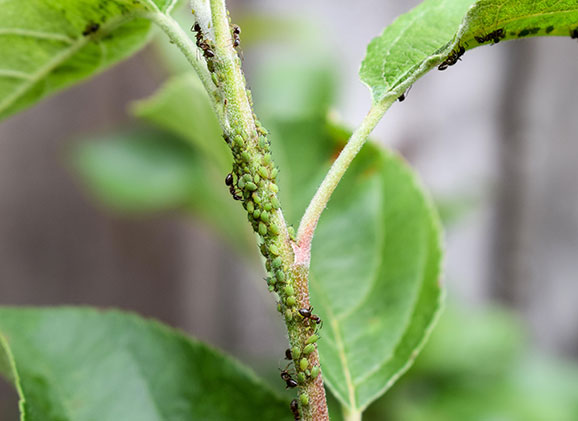
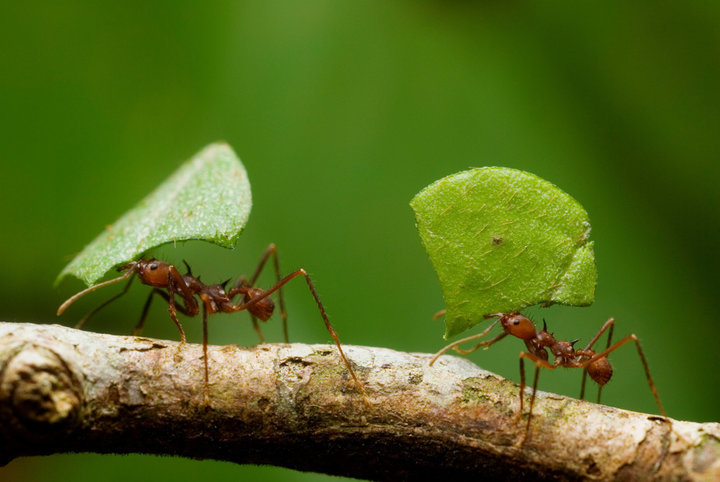
How ants use the Sun (courtesy of BBC Earth):
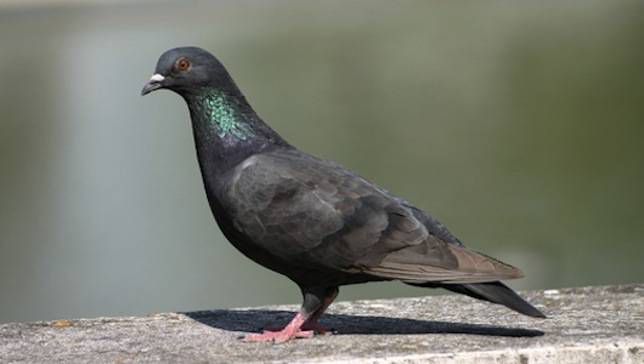
Or ‘Birds that seem to find their way home over hundreds of miles from places they have never before visited – using their sense of smell.’ It was suspected by many scientists for a long time that homing pigeons create an image of their environment from a young age as ‘imprint’ on windborne smells. The experiments of Hans Walraff proved that this was correct. The pigeons were taken in an airtight container ventilated with air free of smell to a place where they were allowed to breathe the local air, but they were not released. They were then relocated under the purified conditions in the opposite direction to their loft side. After being deprived of their sense of smell, they were released. The pigeons headed in the wrong direction to their loft destination. The variations of this experiment always gave positive results. At least one question answered.
Courtesy of BBC Earth:
Author Jon Day was fascinated by feral pigeons to an unprecedented degree, especially their talent for ‘homing’. After studying the pigeons, and flying them, he wrote a book: ‘Homing: On Pigeons, Dwellings and Why We Return’. Pigeons are super fit, on a par with hares, cheetahs, and antelopes. Their hearts are huge, with blood rich in hemoglobin. They accelerate faster than a Formula I car. They can fly at 50 miles per hour all day long, covering ‘700 miles in a single uninterrupted flight’, writes the author. He took his pigeons to the most northerly town, Thurso, to see how fast they would make it back to their home in London. The question was how do they navigate their way back from Thurso to London. Although we don’t have all the answers, we know that their vision and their sensory world are unparallel. They are able to check the angle of the sun, ‘comparing this with the height they expect it to be at home using their highly accurate internal chronometer and use the differential to plot a directional bearing.’ They also have magnetic deposits in their upper beaks which allows them to sense the earth’s geomagnetic field: an internal bio-compass. Pigeons are remarkable species with endearingly similar to us ‘love for their home’.
“Albatross Flight” by Hans Zimmer from Blue Planet 2 (courtesy of Peaches Lamb):
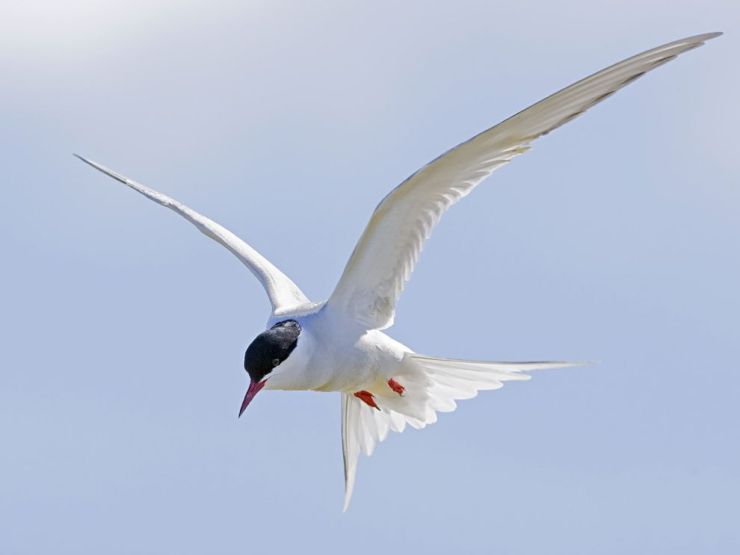
The phenomenon of migration puzzled scientists for thousands of years. There were even speculations that storks spent winters on the moon. Although there are still aspects of bird migration that remain a mystery, we now know that while some birds head South, others move in the opposite direction, North. There are some birds like the albatross, swift, or Arctic tern that live for most of the time on the wing. The longest known migration of any bird belongs to the Arctic tern, a relatively small colonial bird that breeds within a few hundred miles of the North Pole. For reasons which biologists have yet to fully understand, Arctic terns set out on a long journey each spring and autumn that takes them literally to the ends of the earth, from the Arctic to Antarctica. As they take the longest route, they may travel as much as 3 million miles in their lifetime, which could be 15 to 30 years.
Courtesy of Newsy:
Courtesy of Explore Altai, the migration of demoiselle cranes, part of Planet Earth: Mountain by BBC Earth:
The extraordinary story of one village and 15,000 cranes (courtesy of Earth Touch):
From its invention during the Second World War, radar is instrumental in tracing the travel pattern of the migrating birds. There is a piece of evidence that suggests that recognition of major landscape features plays a part, along with observation of the sky. The use of Polaris is simple enough – if they can see it in front of them, then they are heading north. In experiments, the birds would set their route correctly, but become disorientated when the stars were obscured. That is why pollution is a threat to the birds’ ability to navigate as they have to be able to see the pattern of the stars.
Many other migrating birds find true north at night the same way. It is still not clear how birds recognize the movement of the stars, but it is thought that perhaps they are capable of comparing the pictures of the stars’ changing patterns. WOW!!!
How birds navigate (courtesy of BioBush):

Flight of the Starlings (courtesy of National Geographic):
A recent online news article on the BBC highlighted the impact that climate change is having on bird populations and migration: “In nature-depleted Britain, almost half of all bird species are in decline due to a host of pressures – from the loss of meadows, hedgerows and other natural land to climate change and the use of pesticides. The number of wild birds in Britain has fallen by 73 million since 1970, according to the British Trust for Ornithology, which studies birds in the British Isles. Head of ringing, Dr Dave Leech, said climate change was a growing pressure, particularly for migratory birds dealing with extreme weather on several continents. He told BBC News: ‘Climate change is one of the biggest pressures that all species are facing, but particularly migratory species, because they have to worry about the climate conditions not only where they’re breeding, but also where they’re wintering and the areas that they’re travelling through to get here, which can be thousands of kilometres.’
Scientists think some birds are having difficulty adjusting their internal clocks to cope with changes in the seasons. For example, cuckoos spend their summer in the UK, arriving in April when they can be heard making their distinctive call. They then leave in late June to over-winter in Africa. Dr Leech said the birds are struggling to make it back over the Sahara because climate change means there’s less food for them to fuel up with before they make the crossing, and that their numbers were in “free fall”. ‘How terrible would it be if future generations never heard a cuckoo, something that was so commonplace in British wildlife before now?’ he said.”
“On Hearing the First Cuckoo in Spring” by Frederick Delius, performed by Royal Scottish National Orchestra (courtesy of Jayne Anne Strutt):
Jayne Anne Strutt gives a lovely description: “This work for small orchestra, is imbued with the spirit of an English springtime. Mists, buds, ferns and streams are all conjured up, with the song of the cuckoo heard as ephemerally as the real-life cuckoo’s melancholy song. These repeated notes of a minor key seem natural to Delius, indeed, – ‘a true apostle of nature!’ Alas, as with so much of our precious and beautiful world, this once regular and unmistakable two note spring song will no longer be familiar to future generations. The haunting call of this elusive bird heralding in our English springtime; its notes echoing mysteriously over the burgeoning landscape, is something fast fading into the mists of time… So much of our once rich diversity of wildlife has been decimated with the loss of habitat and man’s less than accommodating attitude towards the other creatures with whom we share this world. No longer can we take any of this for granted! As for the future, such things will perhaps have no actual meaning in reality except in words of poets and this lovely music evoking the spirit of something sweet, long gone!”
Or ‘Nocturnal Beetles that keep a ball of dung rolling in a straight line by watching the Milky Way?’ The journal of Current Biology reported the observations of scientists at Lund University, Sweden. Nocturnal dung beetles piled their droppings into a large ball and then they pushed their cargo away from other beetles’ gathers, to get as quickly as possible into a safe place, usually underground. They liked for that reason to push the dung pile in a straight line. Before setting off, the beetle climbed on top of his ball and did a little dance routine, moving around, and looking up to the sky, finding his bearings. They had to know the fastest way to their underground lair to avoid other beetles stealing their ball, and they used the Milky Way as reference. Other types of dung beetles take cues from the sun or the moon.
Courtesy of Seeker:
Image credit: Belinda Recio http://www.animalheartsandminds.com
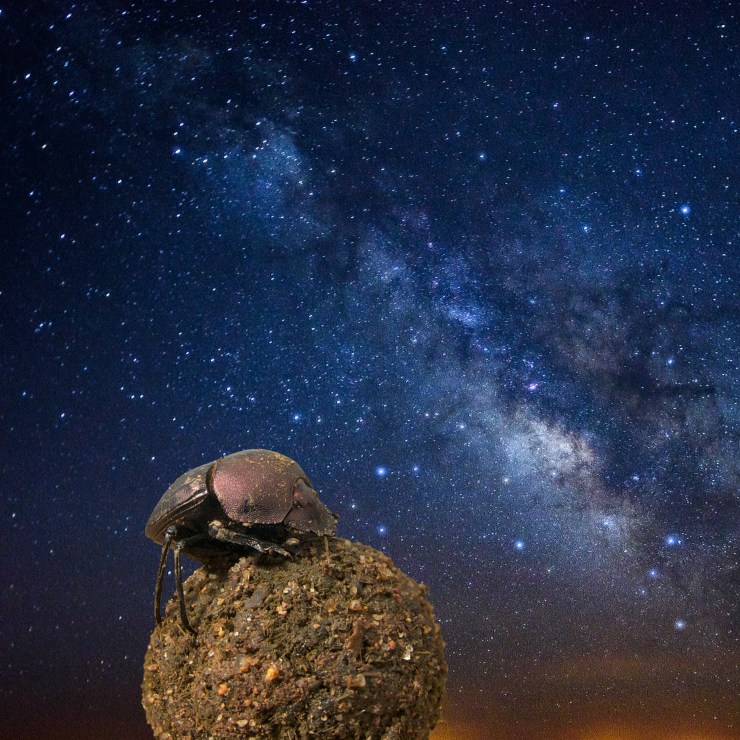
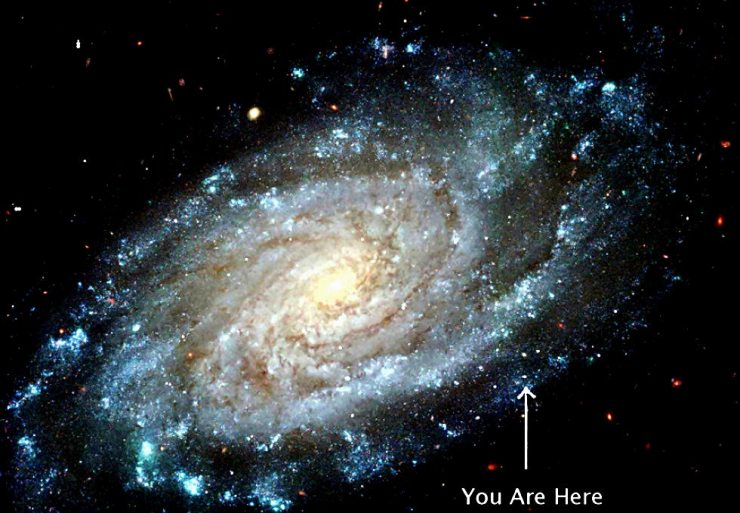
In a series of experiments, nocturnal dung beetles were taken to a planetarium where they were able to see separately a starry sky or the Milky Way. The beetles performed well when they could see the Milky Way. They could not navigate at all if all they could see was a starry sky. The ancient Egyptians worshipped the dung beetle, as it symbolised to them the sun god, Khepri, who rolled the ball of the rising sun across the firmament. They called the beetle a scarab. Its image is depicted in Egyptian funeral art and is linked to ideas of transformation and renewal.
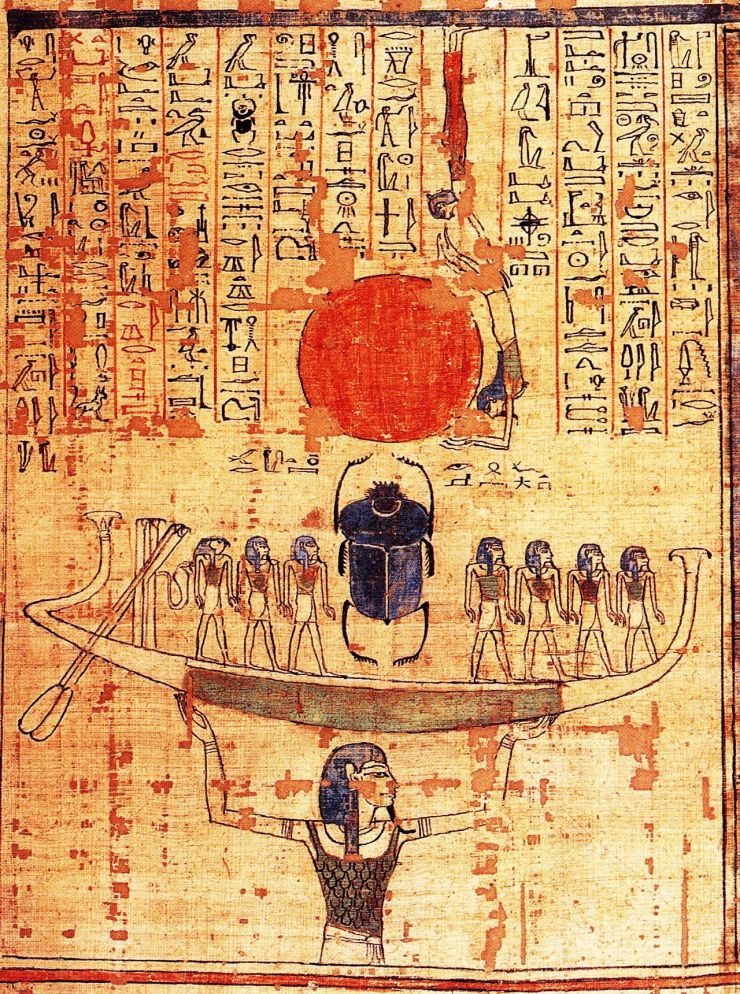
I have an exquisite in its design scarab that sits on the shelf with several books about ancient Egypt in my library. All that is missing is a ball of gold for him to navigate into the afterlife. There are very few fossils of insects as they don’t have bones but there are 30 million-year-old fossilised golf-balls size of dung which is proof of dung beetles’ age of existence. The ball of dung is 50 times heavier than the weight of an individual dung beetle. This in comparison is like one person pulling a weight of 80 tonnes.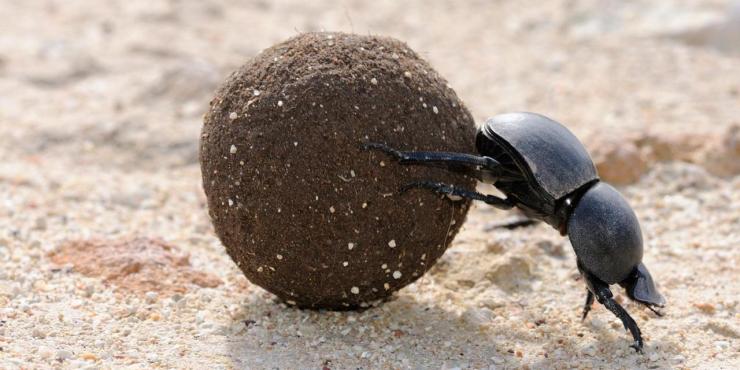
Courtesy of Smithsonian Channel:
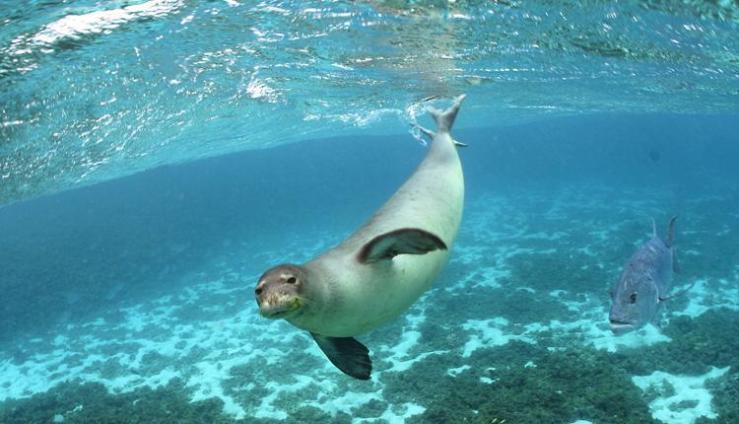
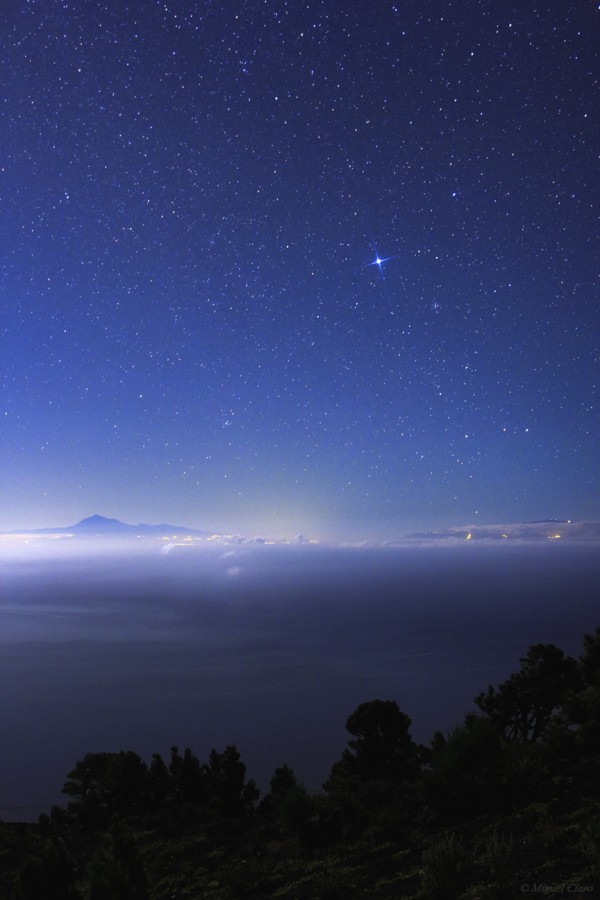
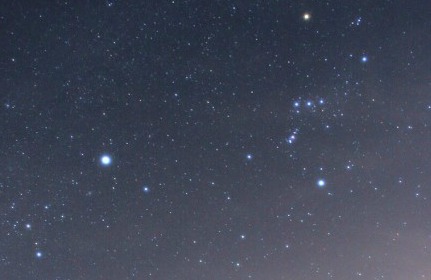
While more work is needed, the present findings on marine animals’ ocean navigation are very interesting. Let’s take the example of the harbour seal. So far, the only creatures known to be able to navigate with the help of individual stars, were us, humans. The study of two harbour seals conducted in a custom-made swimming planetarium taught them to recognise Sirius, the brightest star in the night sky, that was projected onto the water. After some time both seals would follow Sirius while swimming to their destination. The scientists involved in the study concluded that harbour seals are able to develop a star compass system like that used by Polynesian sailors. They wrote: ‘We suggest that marine mammals might learn to identify lodestars in the pattern of the night sky and to use these lodestars as distant landmarks …to steer by in the open sea.’
“Gymnopédie No.1” by Erik Satie, performed by Ophélie Gaillard and Royal Philharmonic Orchestra (courtesy of Aparté Music):
For some time now scientists have worked on a theory that marine turtles circle the whole North Atlantic Ocean using the Earth’s magnetic field as a guide. After years at sea, marine turtles congregate around the edge of many beaches in various places in the world. Female turtles come on to the beach, and after digging deep into the sand, they deposit several eggs. Then they depart back to the sea. When the eggs hatch, the youngsters instantly trudge down the beach sloping towards the sea. They have to overcome many challenges as there are predators waiting for them on the beach and in the shallows of the sea. Once in the water, they swim as quickly as possible away from the land. After several years at sea, the turtles return to the same spot where they were born. The question that puzzled scientists was, how do they know where this spot was? We are now told that it was established; the turtles rely on Earth’s magnetic field to find their way back to the place of their birth. The coastline of each beach has its own magnetic field and the turtles remember this and use it as an internal compass when returning years later. “It is pretty fascinating how these creatures can find their way through a vast expanse of nothing”, wrote J. Roger Brothers, one of the scientists involved in the study of the marine turtles’ navigation.
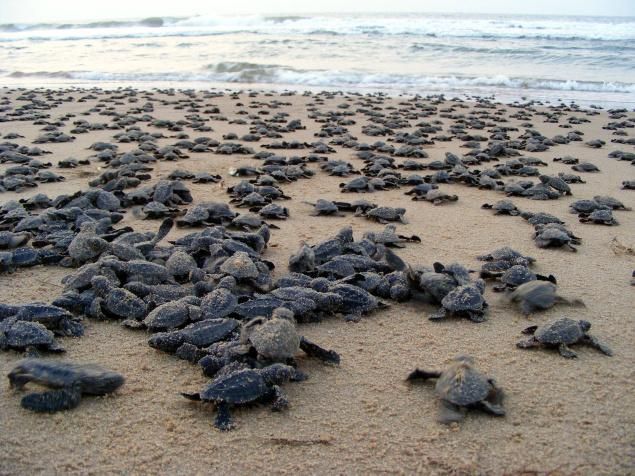
The studies were lengthy and laborious, and other researchers found out that when the turtle hatchlings run towards the sea, it is because this side is brighter. Once they are in the sea, they swim into the waves, which are corresponding with orbital movement under the water. The turtles are directed by the magnetic compass, and together with the findings of the magnetic fields of the coastlines, it gives credence to the evidence that the adult marine turtles navigate using both coordinated magnetic maps.

Magnetoreception (courtesy of Science Magazine):
The observation that Monarch butterflies migrate in late October from their breeding grounds in northeastern Canada and the USA was first made 500 years ago. Since then, the question has been where do they go? It took centuries before it was discovered that the destination was the remote side of a mountain in Central Mexico, to hibernate in oyamel fir trees. The woods there provide wintering sides for the millions of butterflies, the biggest colony of Monarch, in the world. It is one of the greatest spectacles of nature and we have seen it in countless documentaries. Tourists travel there in their thousands, but the question of how do the butterflies find the same sides still remained unanswered, until now. After years of getting nowhere, the scientists had the idea of attaching small round paper tags with a unique number to the underwings of a few butterflies. It also included a request for sending back a report. With the help of many volunteers, 300,000 butterflies were tagged. Slowly it emerged that Monarchs were heading to Texas and then to Mexico.
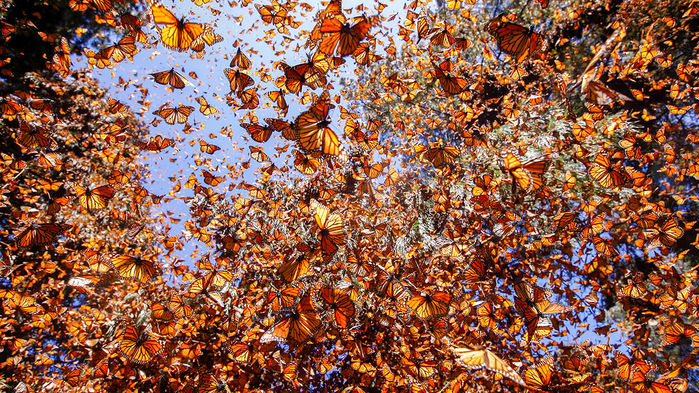

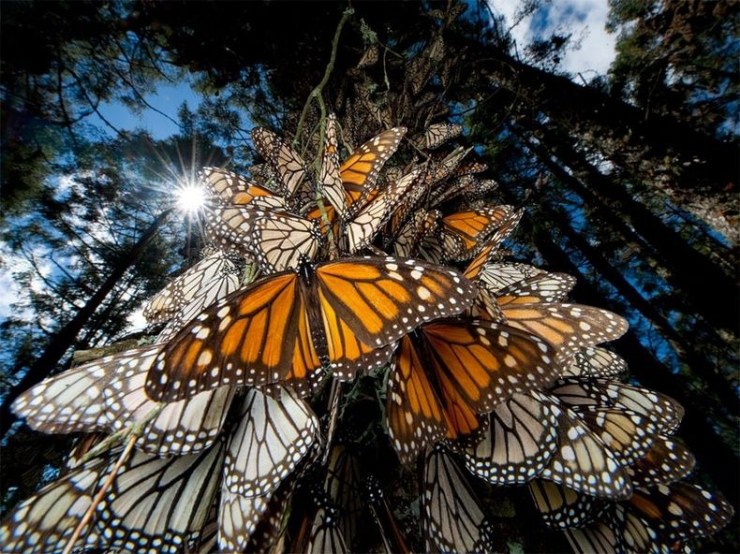
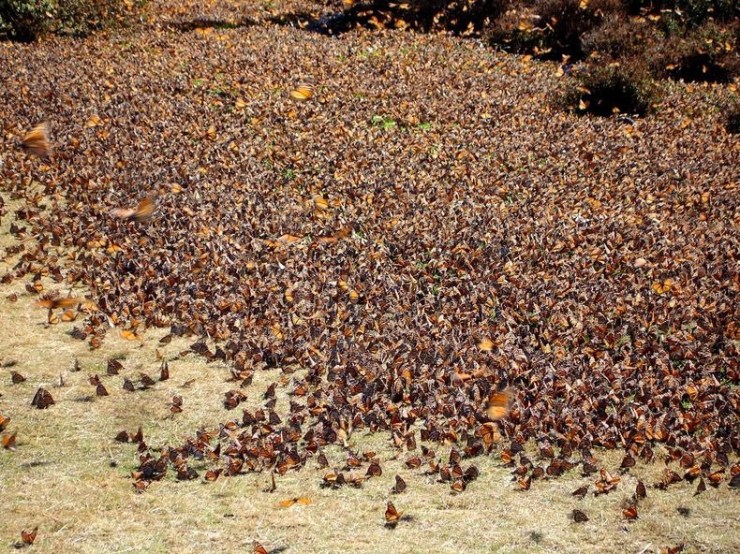
Courtesy of Nature on PBS:
After more years of research, it was established quite by chance that the butterflies spend their winter in the cool air of the mountain, at a height of 3000 metres. The millions of butterflies clung to the trees, firs, cedars, and pines, so thickly that the trees bent under their weight. The ground under the trees was carpeted with millions of dead butterflies. When spring arrives the butterflies wake from their hibernation and mate. They then move like a huge cloud northwards, many of the males dying on the way. Females have to find milkweed plants, on which to lay the eggs, and then they die. The caterpillars hatch, then turn into pupae and then into a new generation of Monarch butterflies. The puzzle of how they navigate very long distances with such precision was finally solved quite recently. The butterflies are using a time-compensated sun compass. The Monarch butterflies, similar to desert ants and honey bees, respond to the position of the sun. The mechanism is situated in butterflies antennae. It helps them to establish the changing height of the sun in the sky. Scientists think that this requires involvement from a second clock in the brain, but this is not yet fully understood. It is thought that in the final few kilometres of their journey the butterflies use as a guide the imposing landmark of the mountain, and even the smell of the dead butterflies littering the ground under the trees. The migration of Monarch butterflies is, without a doubt, one of the most spectacular wonders of nature. When once asked why are we here, Goethe replied; ‘Zum Erstaunen bin ich da’, I am here to wonder.
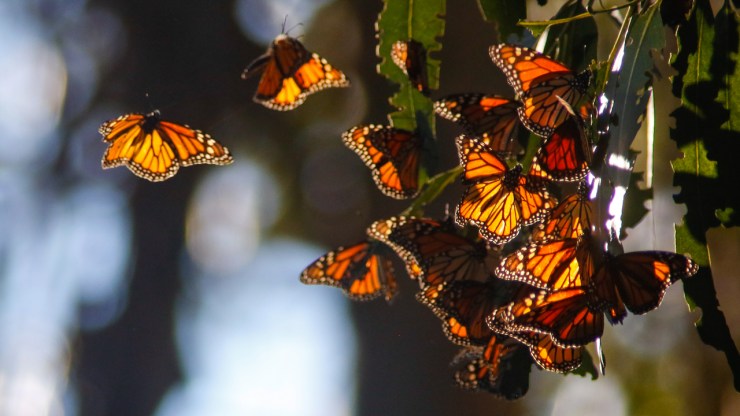
Courtesy of Ruedi Abbühl:
“10,000 Miles” by Sleeping At Last:
PS If you are interested to delve further, there is a podcast and transcript of David Barrie in conversation with writer Zito Madu and Gavin Purcell here:
https://waytoointerested.com/animal-navigation
“Every animal on the face of the planet with the power of motion needs to be able to navigate, even if it’s only that far and we’re losing those skills. It’s part of our deep heritage and history, and it’s part of what makes us human and we’re just kind of jettisoning it. And we don’t really know yet what the consequences of that are going to be.”
David Barrie
 naturetails
it’s beautiful & uplifting🙏🏼❤️🙏🏼 thank you😘❤️🥰🤗
LikeLiked by 3 people
I love this quote and have lived with that quote since 2012 when I faced cancer What if I fall?
Oh, but my darling,
what if you
fly?”
Erin Hanson… But to continue, your post has highlighted how awesome and wonderful nature is. It blows my mind contemplating the wonders of animals. Thank you.
LikeLiked by 3 people
Thank you, Morag, for your wonderful comments! Yes, that is why I love writing about nature and the extraordinary world we live in. I didn’t know about your health problem, and I am more than happy that you no longer have any worries.
Thank you, Morag, again, your thoughts are greatly appreciated!
Joanna
LikeLiked by 2 people
Thank you so much for your beautiful comments! Your kind words are much appreciated!
Joanna x
LikeLiked by 3 people
You are welcome. Yes I am blessed to be in full health for 11 years now to the month!
LikeLike
This is the best news, Morag, I had today!
Joanna x
LikeLiked by 2 people
Wonderful 👍
Brilliant work 👏
Intelligent presentation.
Awesome.
I have to read this minutely.
I was looking for the quantum Bird, a Bird with magnetic navigation 🧭
Right now I don’t remember.
Tomorrow I will come with details.
Your work is like a research paper.
It is very important for me to get more knowledge about the manifestation of the Whole Universe in the form of Ishwara, swaguna Brahmanam from Nirguna Brahman.
I see Brahmanam in each of the creation 👏🎉🎊🎈
Regards 🙏
LikeLike
Dear Joanna, as always your posts are fabulous.
Thank you for sharing the result of your amazing research with us: I loved everything in this article, information, images and videos.
Thank you again from the bottom of my heart 💖
LikeLike
What an interesting compilation about birds, butterflies, and marine mammals you have presented us with Joanna. 🦅🐳🦋 Such facets about nature makes us reflect on how small we are in the big picture. The wonders of nature are always fascinating to me. They are truly part of our past, present, and future. When devastation happens and we see how it affects our natural habitats, we mourn those losses. Thank you for sharing my friend. 🤗💖🥰
LikeLike
Thank you, Kym, for your beautiful comments! I told you that you have a wonderful way with words! This is the excellence in everything you write!
A Big thank you, Kym!
Joanna
LikeLiked by 1 person
Thank you, Dear Luisa, for your wonderful comments! To read your words is to be rewarded beyond measure! Thank you!
Joanna x
LikeLiked by 1 person
Thank you, Arun! Your thoughts are wonderful and resonate with me!
Joanna
LikeLiked by 1 person
Sending you a big hug from Italy 🥰🤗
LikeLike
Thank you, Luisa, a big hug from me too!
Joanna xx
LikeLiked by 1 person
🤗X
LikeLike
Aren’t they magnificent!!!!
LikeLike
XXX!
LikeLiked by 1 person
Thank you, GP, for your wonderfully expressive comment! And, yes, they are, as is whole Nature!
Joanna
LikeLiked by 1 person
💞💞💞
LikeLike
Thank you again!!!
Joanna
LikeLiked by 1 person
Your researching skills are top-notch. You soar like the birds!
LikeLiked by 1 person
Thank you, Neil! Your words made my day! Grealy appreciated! I have to say that writing and watching the video of birds learning to fly with their “father” reduce me to tears! Seeing a flying bird that close is magic! That is why I love, Neil, your beautiful comment!!
Joanna
LikeLiked by 1 person
Fascinating, Joanna. Along the West Coast of North America, California gray whales spend the summer eating plankton in the Arctic. In the late fall, they begin their annual migration to the warmer waters of Baja California where the females give birth and mate. When traveling the thousand mile route, they do something called spy hopping, which is believed to be how they recognize landmarks along the coast and teach these to their calves. When they spy hop, they leap out of the water, much larger jump than just coming up for air. This supposed to be the longest migration of any marine mammal.
LikeLike
Thank you, Pat, for your interesting comment! There is no doubt, so much more we still don’t know. I just wish I had the space to include the facts like those you wrote about. but I will have to write again on this subject.
Thank you, Pat, again!
Joanna
LikeLiked by 1 person
Joanna, I enjoyed this post. Thank you so much for your research allowing us to join some of nature’s navigators on their journeys today. ❤
Many sea turtles nest on our local beaches. Last year we saw arctic terns in Everglades National Park. We see Monarch butterflies only occasionally. They are threatened by habitat loss. White pelicans, manatees, kites, and many other migratory animals spend time in Florida.
Thank you again for the wealth of information in this post. It was wonderful to learn more about these familiar animals and their amazing navigational abilities.
LikeLike
My pleasure. One of the benefits of living in California. Pacific Grove near Monterey is also the winter home of the western Monarch Butterflies who also huddle on conifer trees when it gets colder or at night.
LikeLike
Thank you, Pat, you are just like Cheryl very lucky to be so close to nature!
I will have to write more as those facts are important to know!
Joanna
LikeLike
Looking forward to the next chapter, Joanna.
LikeLike
Oh my dear Joanna, bless you my dear friend. You are so very kind and I meant every word about responding to what you so eloquently compiled and served us. So, thank you so much my friend. You don’t know how much your words mean to me. Hugs and smooches! 😊💖😘 Have a lovely weekend!
LikeLike
You are more than welcome, Kym!
Joanna x
LikeLiked by 1 person
A truly wonderful assembly of astonishing information, music and film clips. The further we humans detach from Nature, the more unnatural we become. Such is the sacrifice we have for our “superior” intelligence. I am daily humbled by the creatures I see as well as my domestic companions. We owe so much to people like Sir David Attenborough and David Barrie for their untiring dedication to studying the many wonderful creatures that share our planet. I have learned to respect the smallest of insects. Thank you for putting together such a fascinating piece.
LikeLike
Thank you, Carolyn, for such wonderful comments! I knew that you will understand the importance of protecting nature on our planet as it is in our own interest. We are all connected and without nature we don’t have future. So many people said that just sitting and listening to the birds gives them a feeling of wellbeing.
There is so much more that I did not have a space to include that I will have to write again about this fascinating topic.
Thank you, Carolyn, again, your words are much appreciated!
Joanna
LikeLike
You are always welcome, Joanna.
Regards.
Arun.🙏🤝
LikeLike
What an outstanding job you’ve done here again Joanna. It’s taken me ages to get through it, so how long you’ve spent putting it all together I have no idea. One thing I do know though is that your love of nature, and animals in particular, shines through from the very beginning.
It’s difficult to know what captivated me the most, but the videos of the different birds really struck a chord. The starling murmurations and homing pigeons have always fascinated me and I remember once watching arctic terns mating in Iceland and wondering how far they’d flown. It seemed an awful a lot of effort for a few minutes of pleasure, but I don’t suppose they see it the same way as us humans. Who knows?
And how about those ants? To be honest I could go on and on, but I think you know by now how much I enjoyed this post. They don’t come any better than this Joanna. It’s just brilliant.
LikeLike
Thank you, Malc, for your beyond wonderful comments! You perfectly understood that my aim is to show how much there is that needs protecting as without nature there is no future for us. I could include so much more fascinating facts but as the space of the post is limited, I will have to write more on this important subject.
Having readers like you, Malc, make my work a great pleasure.
Thank you, Malc, again, and your thoughts are much appreciated!
Joanna
LikeLiked by 1 person
You’re more than welcome Joanna. As you know, I find your posts extremely interesting and thought provoking, and I always enjoy listening to the music, looking at the photos and watching the videos. Perfect!
LikeLike
Thank you so much! You are very kind, Malc, as always!
Joanna
LikeLiked by 1 person
PS. When I wrote, Malc, about protecting nature, I was right as there are people who don’t understand that their barbaric actions endanger their survivals. Today, came the tragic news that a 15 years old boy cut down a beautiful, hundred years old sycamore tree that was much loved and admired even beyond this country.
LikeLiked by 1 person
I heard about that this morning and I know exactly where that tree was. Some people apparently think it’s funny. Words fail me at times.
LikeLike
I think there is a lot of anger at this barbaric act, and police should keep him locked up for his safety!
LikeLike
It might be better if they didn’t in that case
LikeLike
I think, if we still had the old contraption used long time ago in punishing crime, and put him in and people could pelt him with rotten tomatoes and eggs, that would bring home to him the realisation of his error!
LikeLiked by 1 person
I love birds so much. It was fascinating to learn more about them, especially about their migration patters. That picture of the flight of the starlings is just breath-taking. It looks like a painting or a piece of moving smoke. Nature is like walking art.
LikeLike
It’s a pity that the stocks went out of fashion. They’d be well used today I reckon.
LikeLike
Agree!
LikeLiked by 1 person
What a fascinating post, Joanna! You have put together some of the greatest mysteries of the natural world, and the pics and videos are lovely. The Goethe quote says it all!
LikeLiked by 1 person
Thank you, Harini, for your wonderful comments! I am so glad that you were able to read the post! You are right, we are here to wonder!
Thank you again, your thoughts are much appreciated!
Joanna
PS. I hope I am not misspelling your name!
LikeLiked by 1 person
No, you’ve spelt it right. And as a token of my appreciation, here’s an article I think you’ll enjoy 😀
https://www.newyorker.com/magazine/2023/09/11/can-we-talk-to-whales
LikeLike
Btw, I think my phone is just not able to handle the information load in your posts! The last two would just not open, and I finally had to read them on a laptop.
LikeLike
Joanna,
Another winner! The method of migration has always been a mystery to me. That there are so many variations of systems (magnetic, solar, celestial, olfactory, landmarks, etc.) is only part of the answer. Solar and celestial navigation must be compensated for the time of day. It is almost magical in its precision. In college I lived with a PHD Biology candidate who did his thesis on homing pigeons by artificially altering their biological clocks. By keeping them in a darkened environment (altering their internal chronometer) for 12 hours,– they, at first, flew in the wrong direction by 180 degrees when they were released and later corrected it, arriving safely at their home loft.
The most mysterious to me is how newborns navigate-it is not a learned behavior. Juvenile turtle hatchlings instinctively move toward open water. Monarch Butterflies during a multiple generation migration travel from the northeast U.S. to Mexico (or the reverse). For years I wondered if their DNA carried a memory trans-generationally? Now I understand it is the mechanism of a time-compensated sun compass that is carried on DNA to the next generation. And, of course, there is a seasonal drive to migrate north or south. This hard-wired behavior (animal courtship rituals, fear of heights, the instinctive response to juvenile submissive posturing) has always been more of a mystery to me than inherited physical characteristics. As you have repeatedly demonstrated in your blogs, isn’t the natural world a continuing marvel? You are truly doing your part to spread the magic of this earth’s living residents. And your readers, who stand gob-smacked in open-mouthed wonderment, need to motivate those who don’t get the larger message! Stewart
LikeLiked by 1 person